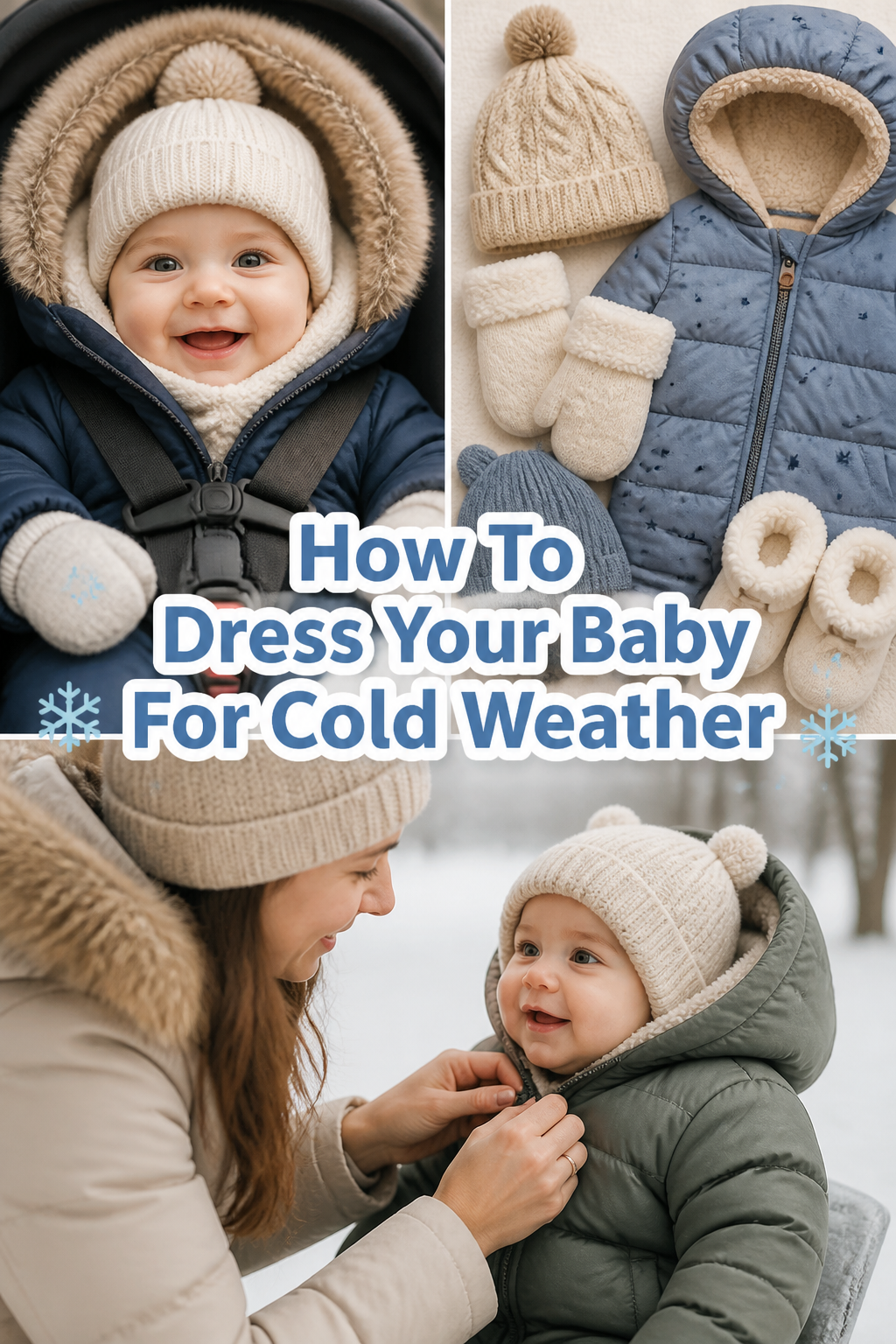
☃️ How To Dress Your Baby For Cold Weather
🍼 The Newborn Survival Kit
The first six months of parenthood are a blur of exhaustion. Stop trying to tough it out—these are the 5 absolute life-saving baby essentials that experienced moms literally refuse to live without. They will instantly solve your biggest sleeping, feeding, and soothing struggles.
🌙 Hatch Rest Baby Sound Machine
The ultimate sleep hack. You can entirely control this white noise machine and dimmable nightlight from your smartphone, meaning you never have to accidentally wake the baby while sneaking back out of the nursery after a 3 AM feeding.
🤧 FridaBaby NoseFrida Snotsucker
It sounds incredibly gross until your baby has their first cold and literally cannot breathe to sleep. Throw away those useless hospital bulb syringes—this doctor-invented tool safely clears congestion in seconds, and yes, the filter absolutely prevents any germs from reaching you.
💧 Haakaa Silicone Manual Breast Pump
Every breastfeeding mom's best kept secret. Simply suction this cheap, cord-free silicone cup to the opposite breast while you nurse to effortlessly catch every drop of liquid gold letdown that would otherwise leak onto your shirt and be totally wasted.
🧴 Aquaphor Baby Healing Ointment
Forget buying ten different expensive, highly-fragranced creams. This is the only ointment you need. It miraculously cures severe diaper rash overnight, heals cracked nursing nipples, soothes baby eczema, and aggressively protects delicate skin from harsh winter wind.
☁️ Burt's Bees 100% Organic Burp Cloths
You will go through dozens of these a day, so do not cheap out on thin fabric. These thick, ultra-absorbent organic cotton cloths actually catch massive spit-ups before they ruin your only clean outfit, while remaining incredibly soft against your newborn's face.
Navigating the chilly months with a little one can feel like a daunting task, especially when you want them to be cozy and safe. As a mom myself, I remember those early days, constantly checking if my baby was too warm or too cold.
This guide comes from countless layers, snuggles, and frosty adventures, helping you confidently dress your baby for whatever winter throws your way. You’ve got this, and we’ll make sure your little one stays perfectly snug.
Quick Overview
This guide will equip you with the knowledge to dress your baby comfortably and safely for cold weather, enabling more fun family moments outdoors and in.
- Time needed: 15-20 minutes to read and understand, ongoing application
- Difficulty: Beginner
- What you’ll need: Baby clothes, layering essentials, thermometer, a dose of common sense
Step-by-Step Instructions
Step 1: Understand the “Rule of Thumb”
Start with the basic principle: dress your baby in one more layer than you would comfortably wear yourself. This simple rule accounts for their less developed thermoregulation.
Remember that babies aren’t as good at regulating their body temperature as adults are. So, an extra layer truly makes a difference in keeping them warm.
Step 2: Choose the Right Base Layer
Select a soft, breathable base layer that sits directly against your baby’s skin. Think bodysuits or long-sleeved onesies made from cotton, merino wool, or bamboo.
Opt for natural fibers that wick away moisture and regulate temperature better than synthetics. This first layer is crucial for comfort and warmth without overheating.
Pro Tip: For chilly mornings at home before heading out, a cute long-sleeved cotton onesie with footed pajamas on top can be a perfect “indoor adventure” outfit. Add a matching beanie for a Pinterest-worthy cozy morning photoshoot while enjoying warm milk and story time.
Step 3: Add a Mid-Layer for Insulation
Introduce a middle layer for added warmth. This could be a fleece sleep-and-play outfit, a sweater, or a warm pair of pants and a top.
Focus on materials that trap air, like fleece, wool, or thick cotton. This layer is your main insulator against the cold.
Consider a two-piece set for older babies and toddlers, allowing for easier diaper changes and more flexibility for active play. A vibrant, cozy fleece set can make a great “winter explorer” outfit for a trip to the park.
Step 4: Select the Outer Layer for Protection
Pick an appropriate outer layer based on the weather conditions. This is your baby’s shield against wind, snow, and rain.
Choose a warm coat, a snowsuit, or a bunting bag for very cold temperatures. Ensure it’s waterproof or water-resistant if there’s precipitation.
Look for options with hoods for extra head protection. A brightly colored snowsuit isn’t just practical; it’s also adorable for those first snow day pictures!
Step 5: Don’t Forget the Extremities (Head, Hands, Feet)
Cover your baby’s head with a warm hat, as a significant amount of heat escapes from the head. Choose one that covers their ears.
Dress their feet in warm socks or booties, and then tuck them into footed pajamas or an outer layer with integrated foot covers. Mittens are essential for protecting tiny hands.
Look for hats with chin straps to ensure they stay on during playful outdoor adventures. Matching hats and mittens for the whole family can make for a sweet family bonding moment during a winter walk.
Step 6: Consider Sleepwear for Cold Nights
Opt for warm sleepwear when the house gets chilly overnight. Footed pajamas, sleep sacks, or wearable blankets are excellent choices.
Avoid loose blankets in the crib for infants to prevent suffocation risks. A sleep sack provides warmth without the hazard.
Choose a sleep sack with a TOG (Thermal Overall Grade) rating appropriate for your room temperature. This is a simple, safe way to keep them warm.
Pro Tip: For a fun family “indoor camping” sleepover, dress your toddler in their warmest footed pajamas and a cozy sleep sack. Set up a blanket fort in the living room, read stories by flashlight, and enjoy a unique bonding experience without worrying about the cold outside.
Step 7: Check for Overheating or Underheating
Monitor your baby’s temperature regularly. Feel their neck or chest (not hands or feet, as these can be cooler) to gauge their warmth.
Look for signs of overheating, such as flushed cheeks, sweating, or rapid breathing. Remove a layer if they seem too warm.
Watch for signs of being too cold, like shivering or pale skin. Add a layer if needed. Adjusting layers is key to comfort.
Step 8: Dress for Car Seats and Strollers Safely
Dress your baby in layers that can be easily removed in the car. Bulky coats can compress in a car seat crash, making harnesses less effective.
Use blankets over the car seat harness once your baby is buckled in securely. Car seat covers (like shower cap style) are also great for keeping them warm without interfering with safety.
Ensure stroller bags or footmuffs don’t add too much bulk under the harness straps. Safety always comes first, even in the cold.
Step 9: Plan for Indoor and Outdoor Transitions
Prepare to add or remove layers as you move between indoors and outdoors. This is especially important for quick errands or playdates.
Keep an extra set of clothes, including warm socks and a hat, in your diaper bag. Spills and temperature changes happen!
Think about a cold-weather themed party idea: a “Winter Wonderland” playdate! Dress babies in adorable themed outfits (think tiny polar bears or penguins) and have simple indoor crafts ready, like decorating paper snowflakes or making sensory bottles with glitter and water, while keeping them comfortably layered.
Step 10: Embrace the Fun of Cold Weather!
Remember that dressing warmly enables wonderful cold-weather memories. Think about building a snowman, visiting a festive market, or just enjoying a brisk walk.
Choose cute, brightly colored outfits that make outdoor photos pop. Matching family scarves or beanies can be a simple, Pinterest-worthy touch for family pictures.
Plan a “Winter Nature Scavenger Hunt” for older toddlers and school-age kids. Dress them warmly, give them a list of things to find (a bare branch, a smooth rock, a patch of ice), and then warm up with hot cocoa and a craft session indoors, decorating their “treasures.”
Common Mistakes to Avoid
Over-bundling
It’s natural to want to keep your baby super warm, but too many layers can actually lead to overheating. Overheating is a SIDS risk and can make your baby uncomfortable and irritable. Always check their temperature at the neck or chest, not their hands or feet.
Ignoring Extremities
Many parents focus on the core but forget the head, hands, and feet. Babies lose a lot of heat through their heads, and tiny fingers and toes get cold quickly. Always ensure they have a warm hat, mittens, and thick socks or booties when heading out.
Bulky Car Seat Attire
Dressing your baby in a thick, puffy coat in a car seat can be dangerous. The bulk can prevent the harness from being snug against their body, creating slack that’s risky in a crash. Instead, dress them in thin layers, buckle them in securely, and then place a blanket or car seat cover over the straps.
Forgetting About Indoor Temperatures
Just because it’s cold outside doesn’t mean your house is freezing. Babies can easily overheat indoors if they’re still wearing their outdoor layers. Be mindful of indoor heating and remove outer layers as soon as you come inside to keep them comfortable.
Troubleshooting
My Baby Seems Fussy and Red-Faced When Dressed
This is often a sign of overheating. Your baby might be too warm and uncomfortable.
Immediately remove a layer or two, especially the outer coat or hat. Check their neck and chest for sweat. Offer a drink if they are old enough, and move to a cooler area. Adjust layers based on the activity level and environment.
My Baby’s Hands and Feet Are Cold
While hands and feet can naturally be cooler than their core, consistently icy extremities can indicate your baby is too cold overall.
Add an extra pair of socks or thicker booties, and ensure they are wearing mittens. If their core (neck/chest) also feels cool, add another layer to their body. Make sure their hat is on securely, covering their ears.
My Baby Hates Wearing Hats/Mittens
This is a common struggle, especially with active toddlers! They often pull them off as soon as you put them on.
Try different styles of hats – some babies prefer softer beanies, while others do better with chin straps. Make it a game! Let them pick out their hat, or show them how you put your hat on first. Distract them with a favorite toy or song right after putting them on. For mittens, try ones that are harder to pull off, like those with longer cuffs that go up the arm.
Key Takeaways
- Always follow the “Rule of Thumb”: one more layer for baby than for you.
- Layering is crucial; start with a breathable base, add insulation, and finish with a protective outer layer.
- Never forget to cover extremities like the head, hands, and feet.
- Prioritize car seat safety by avoiding bulky coats under harnesses.
- Continuously monitor your baby’s temperature by checking their neck or chest.
- Embrace cold weather as an opportunity for fun family activities and memory-making.
Frequently Asked Questions
How can I tell if my baby is too hot or too cold without a thermometer?
The best way to check your baby’s temperature is by feeling their neck or chest. If it feels warm and sweaty, they’re likely too hot. If it feels cool to the touch, they might be too cold. Hands and feet aren’t reliable indicators as they can often be cooler.
What materials are best for cold weather baby clothes?
Natural fibers like merino wool, cotton, and bamboo are excellent choices. Merino wool is fantastic for warmth without bulk and helps regulate temperature. Cotton is soft and breathable, while fleece offers great insulation. Look for blends that offer warmth and comfort.
Do I need special sleepwear for cold nights?
Yes, especially if your home gets chilly. Sleep sacks or wearable blankets are highly recommended as they provide warmth without the risk of loose blankets. Choose a sleep sack with a TOG rating appropriate for your room’s temperature to ensure your baby stays comfortable and safe all night.
How do I dress my baby for a quick trip outside, like getting to the car?
For very short exposures to cold, you can often use a combination of their indoor clothes, a warm blanket, and a hat. If it’s just a dash, a warm base layer, a thick sweater or jacket, and a hat might suffice. For longer car rides, remember to remove bulky outer layers once inside the vehicle for car seat safety.
Our Top Recommended Finds
- Merino Wool Bodysuits: Excellent for a warm, breathable base layer that regulates temperature naturally.
- Fleece Bunting Bag/Snowsuit: A one-piece wonder for outdoor play, providing full-body warmth and protection.
- Sleep Sacks with TOG Ratings: Essential for safe and warm sleep without loose blankets, available in various warmth levels.
Embracing Winter’s Wonders Together
Dressing your baby for cold weather doesn’t have to be a chore; it’s an opportunity to create warm, lasting memories. With the right layers and a little know-how, you’re not just preparing them for the chill, you’re setting the stage for countless adventures. From building tiny snowmen in the yard to cozying up for an indoor “winter picnic,” comfort allows for connection.
So, go ahead and pick out that adorable hat, bundle them up, and step out into the crisp air. Or, plan that craft day indoors, knowing your little one is perfectly snug. Every carefully chosen layer helps you both enjoy this beautiful, frosty season to the fullest. Let’s make this winter unforgettable!