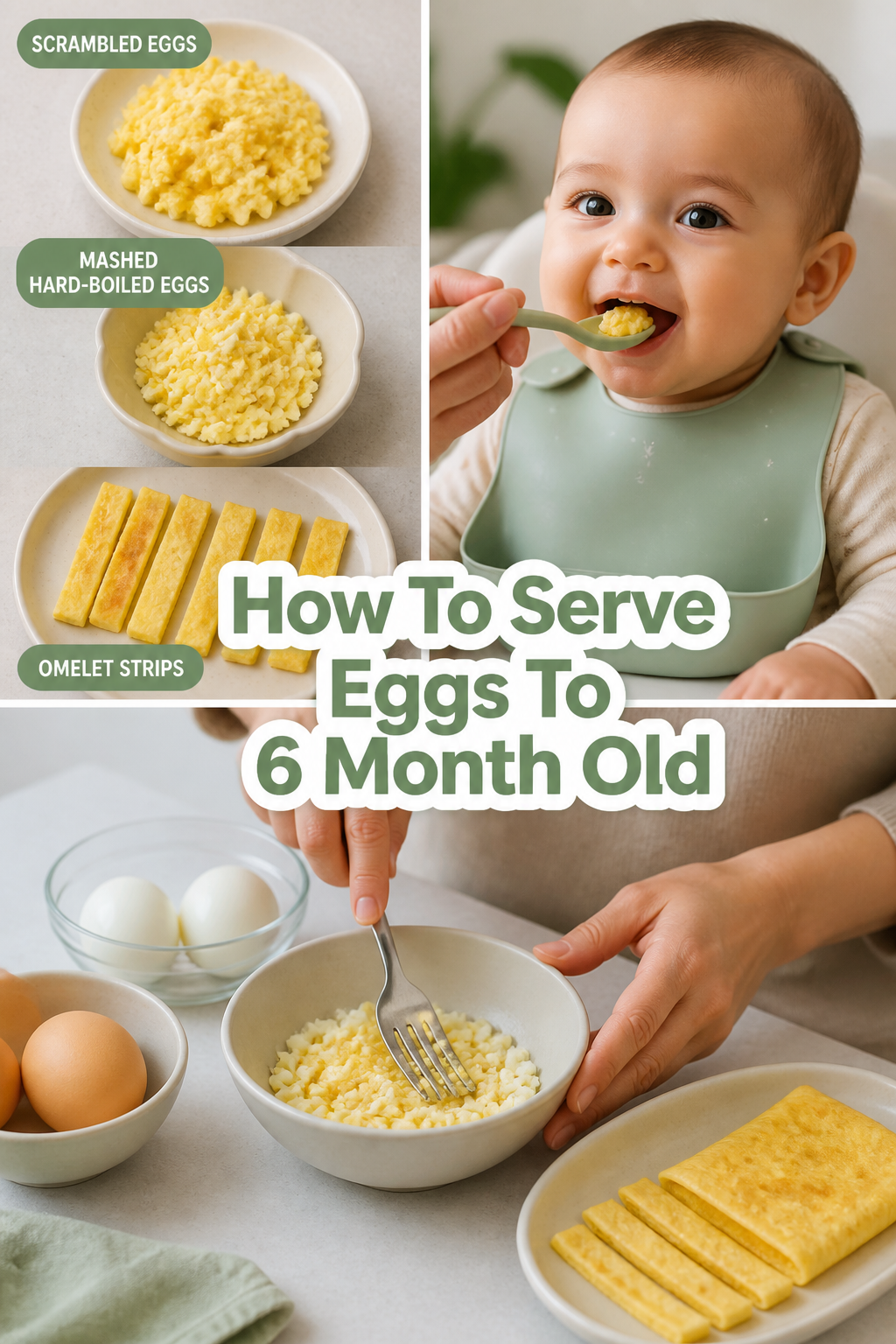
🥚 How To Serve Eggs To 6 Month Old
🍼 The Newborn Survival Kit
The first six months of parenthood are a blur of exhaustion. Stop trying to tough it out—these are the 5 absolute life-saving baby essentials that experienced moms literally refuse to live without. They will instantly solve your biggest sleeping, feeding, and soothing struggles.
🌙 Hatch Rest Baby Sound Machine
The ultimate sleep hack. You can entirely control this white noise machine and dimmable nightlight from your smartphone, meaning you never have to accidentally wake the baby while sneaking back out of the nursery after a 3 AM feeding.
🤧 FridaBaby NoseFrida Snotsucker
It sounds incredibly gross until your baby has their first cold and literally cannot breathe to sleep. Throw away those useless hospital bulb syringes—this doctor-invented tool safely clears congestion in seconds, and yes, the filter absolutely prevents any germs from reaching you.
💧 Haakaa Silicone Manual Breast Pump
Every breastfeeding mom's best kept secret. Simply suction this cheap, cord-free silicone cup to the opposite breast while you nurse to effortlessly catch every drop of liquid gold letdown that would otherwise leak onto your shirt and be totally wasted.
🧴 Aquaphor Baby Healing Ointment
Forget buying ten different expensive, highly-fragranced creams. This is the only ointment you need. It miraculously cures severe diaper rash overnight, heals cracked nursing nipples, soothes baby eczema, and aggressively protects delicate skin from harsh winter wind.
☁️ Burt's Bees 100% Organic Burp Cloths
You will go through dozens of these a day, so do not cheap out on thin fabric. These thick, ultra-absorbent organic cotton cloths actually catch massive spit-ups before they ruin your only clean outfit, while remaining incredibly soft against your newborn's face.
Bringing new foods into your baby’s world is such an exciting milestone, isn’t it?
I remember feeling a mix of joy and a tiny bit of overwhelm when my little one was ready for solids.
This guide is here to make serving eggs simple, safe, and even a little fun, drawing from my own experiences as a busy parent.

Quick Overview
You’re about to embark on a tiny culinary adventure, introducing a fantastic first food.
It’s simpler than you think and so rewarding to watch your baby explore new tastes.
- Time needed: 15-20 minutes (mostly cooking time)
- Difficulty: Beginner
- What you’ll need: Eggs, saucepan, fork/masher, breast milk or formula (optional)
Step-by-Step Instructions
Step 1: Choose Your Eggs Wisely
Select fresh, high-quality eggs from your local grocery store or farmer’s market.
Look for eggs that are clean and free of cracks to ensure food safety for your little one.
Step 2: Prepare for Cooking
Gather your ingredients and tools. You’ll need a saucepan, some water, and an egg or two.
Make sure your kitchen workspace is clean and ready for baby food preparation.
Step 3: Hard-Boil the Eggs
Place the eggs gently into a saucepan and cover them with about an inch of cold water.
Bring the water to a rolling boil over medium-high heat, then immediately reduce the heat to low, cover, and let them simmer for 9-12 minutes.
Pro Tip: Cooking eggs this way makes them firm enough to mash easily, which is perfect for tiny mouths. Think of this thoughtful preparation as similar to planning a fun, engaging craft for your toddler – a little effort upfront creates a lot of joy!
Step 4: Cool and Peel
Drain the hot water from the saucepan as soon as the cooking time is up.
Immediately transfer the hard-boiled eggs to a bowl of ice water or run them under cold tap water for a few minutes.
This quick cooling stops the cooking process and makes them much easier to peel.
Step 5: Mash the Yolk and White
Peel the cooled egg and place it in a small bowl. For a 6-month-old, you’ll want to use both the yolk and the white.
Mash the entire egg thoroughly with a fork until it forms a smooth, lump-free consistency.
It should be almost paste-like, ensuring there are no choking hazards.
Pro Tip: For an extra smooth texture, you can add a tiny bit of breast milk, formula, or even a splash of water to the mashed egg. This also helps thin it out a bit for easier swallowing, much like how you might thin out a smoothie for an older child to enjoy more easily.
Step 6: Introduce a Tiny Taste
Offer just a small amount on a baby spoon or your clean finger during the first few tries.
This allows your baby to get used to the new taste and texture without feeling overwhelmed.
Watch for any signs of discomfort or allergic reaction.
Step 7: Observe and Respond
Pay close attention to your baby’s cues. Are they leaning in for more, or pushing the spoon away?
Every baby is different, and some might take to eggs right away, while others need a few tries.
This observation skill is something you’ll use constantly, from choosing the perfect school outfit to picking out fun sleepover activities.
Step 8: Gradually Increase Amount
Increase the quantity gradually over a few days if your baby tolerates eggs well.
You can start with a quarter of an egg and work your way up to a whole egg over time.
Remember, it’s all about gentle introduction and letting your baby lead the way.
Common Mistakes to Avoid
Serving Lumpy Eggs
A common mistake is not mashing the egg thoroughly enough. Lumps, even small ones, can be a choking hazard for a 6-month-old who is just learning to manage solid foods.
Always aim for a very smooth, consistent puree. Think of it like a very soft hummus or avocado mash, easy for tiny gums to handle.
Introducing Too Many New Foods at Once
When starting solids, it’s tempting to try everything. However, introducing multiple new foods within a short period makes it difficult to identify potential allergens.
Stick to one new food every 3-5 days. This way, if your baby reacts to something, you’ll know exactly what caused it.
Forgetting the Allergy Watch
Eggs are a common allergen, so it’s crucial to be vigilant. Some parents mistakenly think they need to avoid eggs entirely, but current recommendations suggest early introduction can be beneficial.
Just be sure to watch for any signs of an allergic reaction like hives, swelling, vomiting, or difficulty breathing for a few hours after serving.
Forcing Baby to Eat
Sometimes, parents can get caught up in how much their baby “should” eat. Forcing a baby to finish a portion can create negative associations with mealtime.
Trust your baby’s hunger cues. If they turn away or close their mouth, they’re likely done. Mealtime should be a positive, no-pressure experience, a true family bonding moment.
Troubleshooting
Baby Refuses Eggs
It’s totally normal for babies to refuse a new food, especially on the first try. Don’t take it personally or get discouraged.
Try again in a few days or even a week. Sometimes it takes multiple exposures for a baby to accept a new taste. You can also mix a tiny bit of mashed egg into a food they already love, like mashed avocado or sweet potato.
Messy Eating
Oh, the glorious mess of baby-led weaning! If your baby is making a huge mess with the mashed eggs, remember this is part of their exploration and sensory development.
Lay down a splat mat under the high chair, dress your baby in a bib (or just a diaper!), and embrace the chaos. It’s all part of the fun, just like painting with finger paints during a creative craft session with older kids.
Constipation After Eggs
Some babies might experience a slight change in bowel movements when new foods are introduced. If you notice your baby seems a bit constipated after eating eggs, it could be a temporary adjustment.
Ensure they are still getting plenty of breast milk or formula. You can also offer a bit of water (in a small cup, not a bottle) with meals or introduce other fiber-rich purees like prunes or pears on different days.
Key Takeaways
- Introduce eggs safely: Always hard-boil and mash thoroughly for a 6-month-old.
- Watch for allergies: Introduce eggs as a single new food and monitor for any reactions.
- Start small: Begin with a tiny taste and gradually increase the amount over time.
- Embrace the mess: Eating solids is a sensory experience for babies, so let them explore.
- Follow baby’s lead: Respect their hunger cues and don’t force them to eat.
- Consistency is key: If they refuse, try again another day. Persistence often pays off.
Frequently Asked Questions
Can I give my baby scrambled eggs?
While scrambled eggs are delicious, for a 6-month-old, the texture can be a bit tricky. Small, rubbery pieces of scrambled egg might be difficult for them to manage and could pose a choking risk.
It’s best to stick to thoroughly mashed hard-boiled eggs first. You can introduce soft scrambled eggs when your baby is a bit older, perhaps around 8-9 months, and showing good pincer grasp development.
Do I need to cook the egg white and yolk separately?
No, current guidelines recommend serving the whole egg (both yolk and white) together, right from the start of introduction.
Historically, there was a belief to separate them, but research now suggests that introducing both parts simultaneously can actually be beneficial in preventing allergies. Just make sure it’s fully cooked and mashed.
How often can my 6-month-old eat eggs?
Once your baby has successfully tried eggs a few times with no adverse reactions, they can safely eat eggs a few times a week.
Eggs are a fantastic source of protein, iron, and other essential nutrients, making them a great addition to their developing diet. Just remember to offer a variety of other foods too!
What if my baby gags while eating eggs?
Gagging is a normal reflex for babies learning to eat solids; it’s their body’s way of preventing choking. It often looks and sounds alarming, but it’s different from choking.
If your baby gags, stay calm, let them work it out, and ensure the food is mashed even smoother next time. If they are truly choking (silent, blue, unable to breathe), immediate first aid is needed.
Our Top Recommended Finds
- Silicone Baby Spoons: Soft on gums and perfect for those first tastes, they make feeding a gentle experience.
- Splat Mat: An absolute lifesaver for containing mealtime messes, making cleanup a breeze.
- High-Chair with Adjustable Tray: A sturdy and easy-to-clean high chair is essential for safe and comfortable feeding.
Ready to Crack Open a New Adventure?
See? Serving eggs to your 6-month-old doesn’t have to be complicated. It’s just another wonderful step in your parenting journey.
Think of it like setting up that first birthday party for your toddler, or helping your school-aged child with a fun science project. It’s all about thoughtful preparation and joyful participation.
You’re building healthy eating habits and creating precious memories, one tiny bite at a time.
So, grab those eggs, make the mash, and watch your little one discover a delicious new world today!
What other first foods are you excited to try? Share your journey with us!