
🫂 How To Say Sorry To Your Best Friend
🍼 The Newborn Survival Kit
The first six months of parenthood are a blur of exhaustion. Stop trying to tough it out—these are the 5 absolute life-saving baby essentials that experienced moms literally refuse to live without. They will instantly solve your biggest sleeping, feeding, and soothing struggles.
🌙 Hatch Rest Baby Sound Machine
The ultimate sleep hack. You can entirely control this white noise machine and dimmable nightlight from your smartphone, meaning you never have to accidentally wake the baby while sneaking back out of the nursery after a 3 AM feeding.
🤧 FridaBaby NoseFrida Snotsucker
It sounds incredibly gross until your baby has their first cold and literally cannot breathe to sleep. Throw away those useless hospital bulb syringes—this doctor-invented tool safely clears congestion in seconds, and yes, the filter absolutely prevents any germs from reaching you.
💧 Haakaa Silicone Manual Breast Pump
Every breastfeeding mom's best kept secret. Simply suction this cheap, cord-free silicone cup to the opposite breast while you nurse to effortlessly catch every drop of liquid gold letdown that would otherwise leak onto your shirt and be totally wasted.
🧴 Aquaphor Baby Healing Ointment
Forget buying ten different expensive, highly-fragranced creams. This is the only ointment you need. It miraculously cures severe diaper rash overnight, heals cracked nursing nipples, soothes baby eczema, and aggressively protects delicate skin from harsh winter wind.
☁️ Burt's Bees 100% Organic Burp Cloths
You will go through dozens of these a day, so do not cheap out on thin fabric. These thick, ultra-absorbent organic cotton cloths actually catch massive spit-ups before they ruin your only clean outfit, while remaining incredibly soft against your newborn's face.
We all mess up sometimes, even with the people we love most. It’s a part of life, and honestly, it’s a part of what makes our friendships real and deep. I’ve been there more times than I can count, fumbling for the right words after a misunderstanding with my own bestie.
Learning how to genuinely apologize isn’t just about fixing a friendship; it’s a powerful lesson we can model for our little ones. This guide is packed with practical steps to help you mend fences, all while keeping your busy parent life and family values at heart.

Quick Overview
This guide will walk you through the heartfelt process of apologizing to your best friend, offering actionable steps and relatable advice for busy parents. You’ll learn how to approach the conversation with grace, rebuild trust, and even use these moments as valuable teaching opportunities for your kids.
- Time needed: 1-2 hours (for reflection, conversation, and follow-up)
- Difficulty: Beginner
- What you’ll need: A clear head, an open heart, and maybe a quiet moment away from the kids.
Step-by-Step Instructions
Step 1: Pause and Reflect
Before you say anything, take a quiet moment to really think about what happened. What was your part in the misunderstanding or hurt? This isn’t about blaming yourself entirely, but about understanding your actions and their impact.
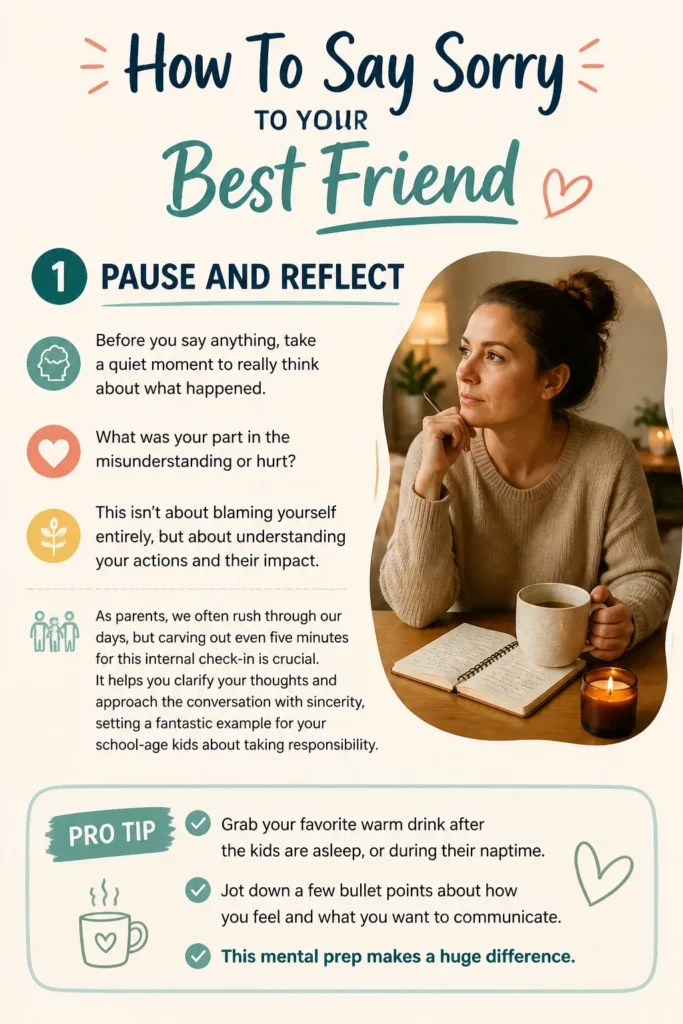
As parents, we often rush through our days, but carving out even five minutes for this internal check-in is crucial. It helps you clarify your thoughts and approach the conversation with sincerity, setting a fantastic example for your school-age kids about taking responsibility.
Pro Tip: Grab your favorite warm drink after the kids are asleep, or during their naptime. Jot down a few bullet points about how you feel and what you want to communicate. This mental prep makes a huge difference.
Step 2: Choose Your Moment and Method Wisely
Think about your friend’s personality and the nature of the issue. A face-to-face apology is often best, but if you’re both juggling toddlers and carpools, a heartfelt phone call or a thoughtful message might be more realistic and equally appreciated.

Consider a time when both of you can focus without distractions. Trying to apologize while chasing a runaway toddler or during a chaotic family dinner isn’t ideal for anyone. Show your friend, and indirectly your kids, that important conversations deserve dedicated attention.
Step 3: Own It, Don’t Excuse It
When you apologize, be direct and take responsibility for your actions. Avoid using phrases like “I’m sorry if you felt…” or “I’m sorry, but…” These phrases often sound like you’re minimizing their feelings or justifying your behavior.
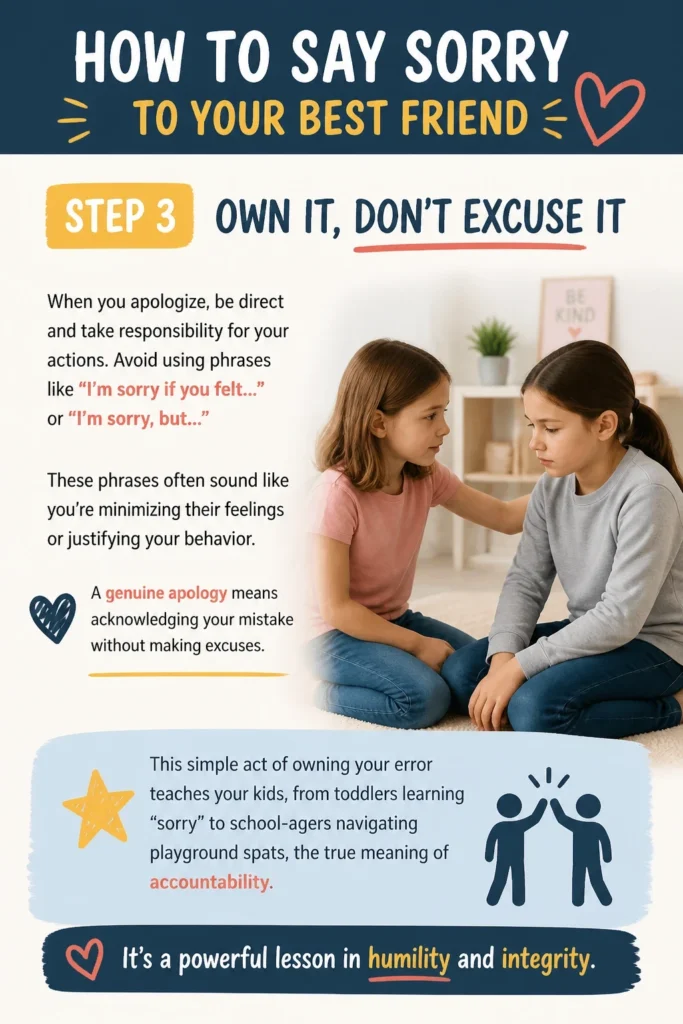
A genuine apology means acknowledging your mistake without making excuses. This simple act of owning your error teaches your kids, from toddlers learning “sorry” to school-agers navigating playground spats, the true meaning of accountability. It’s a powerful lesson in humility and integrity.
Step 4: Express Empathy and Acknowledge Impact
Show your friend that you understand how your actions affected them. Use phrases like, “I can only imagine how frustrating that must have been for you,” or “I’m so sorry I made you feel unheard.”
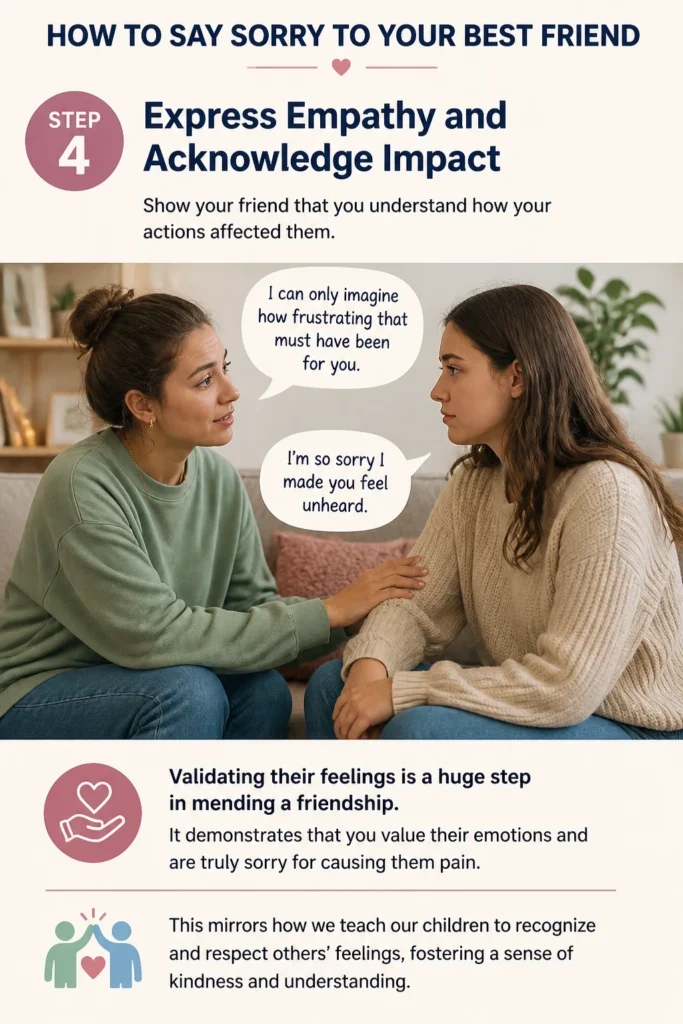
Validating their feelings is a huge step in mending a friendship. It demonstrates that you value their emotions and are truly sorry for causing them pain. This mirrors how we teach our children to recognize and respect others’ feelings, fostering a sense of kindness and understanding.
Step 5: Propose a Solution or Make Amends
After apologizing, think about what you can do to make things right. Is there a specific action you can take to fix the situation, or a way to prevent it from happening again? Sometimes, simply asking, “What can I do to make this better?” is enough.
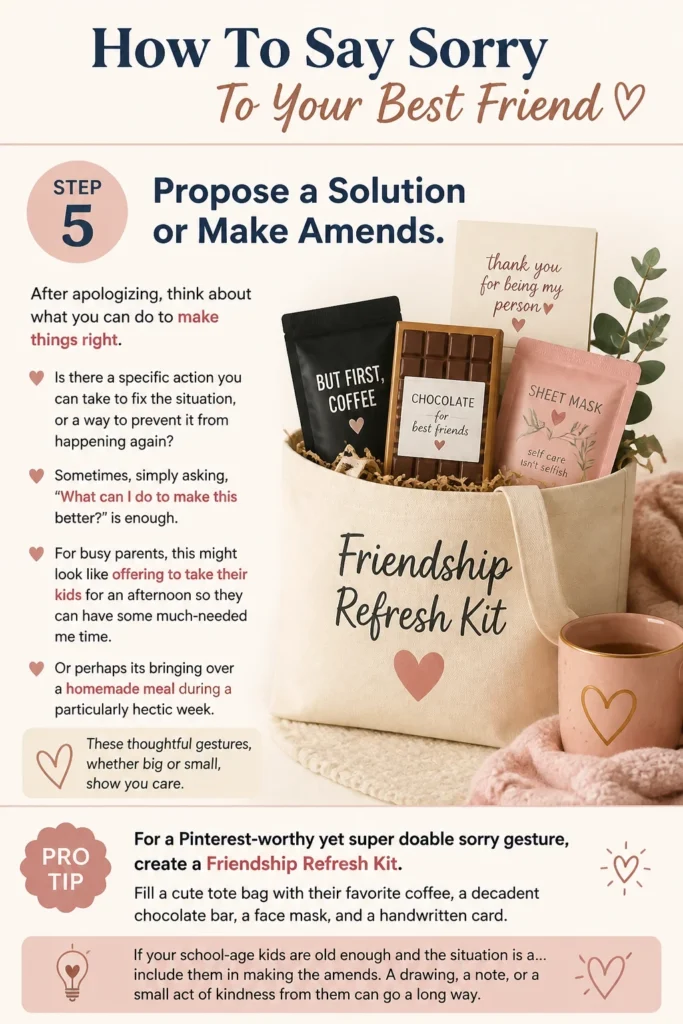
For busy parents, this might look like offering to take their kids for an afternoon so they can have some much-needed “me time.” Or perhaps it’s bringing over a homemade meal during a particularly hectic week. These thoughtful gestures, whether big or small, show you care.
Pro Tip: For a Pinterest-worthy yet super doable “sorry” gesture, create a “Friendship Refresh Kit.” Fill a cute tote bag with their favorite coffee, a decadent chocolate bar, a face mask, and a handwritten card. If your school-age kids are old enough and the situation is appropriate, they could even help decorate the card, adding a sweet, family-friendly touch.
Step 6: Give Them Space and Be Patient
After you’ve offered your apology and proposed amends, give your friend time to process everything. They might need a few hours, a few days, or even longer to fully accept your apology and move past the hurt.

Don’t pressure them for an immediate response or resolution. Respecting their need for space is a sign of your genuine care for their feelings. This teaches us, and our children, the importance of patience and understanding in relationships.
Step 7: Rebuild and Reconnect Thoughtfully
Once your friend has had time, slowly begin to reconnect. Don’t jump back into things as if nothing happened. Acknowledge that you’re both moving forward. This might mean a gentle text checking in, or suggesting a low-key meet-up.
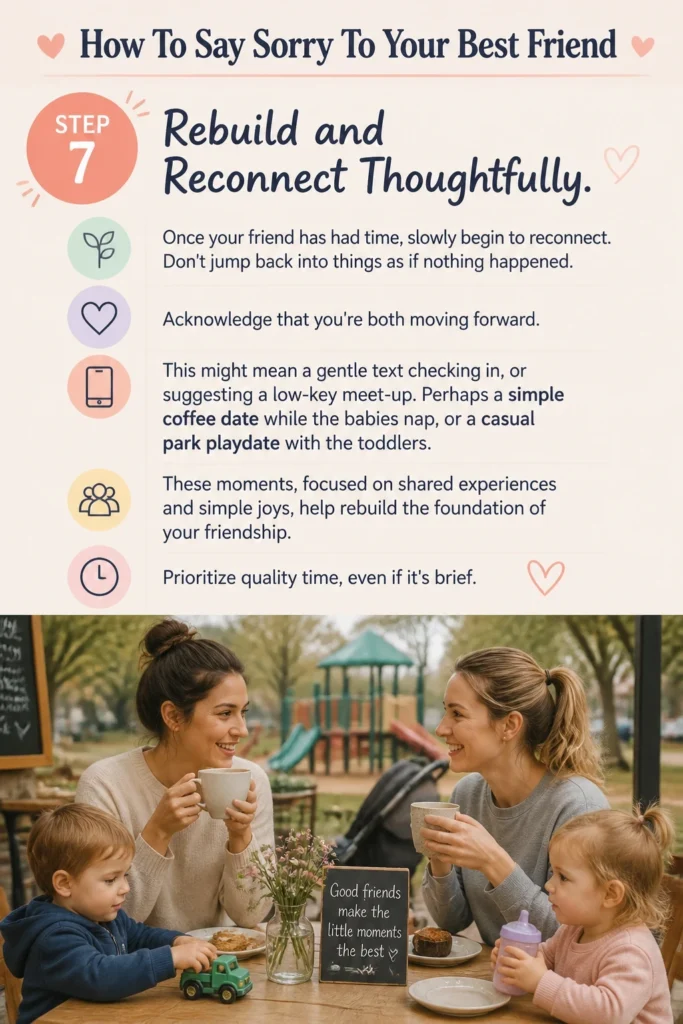
Perhaps a simple coffee date while the babies nap, or a casual park playdate with the toddlers. These moments, focused on shared experiences and simple joys, help rebuild the foundation of your friendship. Prioritize quality time, even if it’s brief.
Step 8: Learn, Grow, and Model Positive Behavior
Every conflict and apology is an opportunity for growth. Reflect on what you learned from the experience and how you can apply it to future interactions. This isn’t just about this one apology; it’s about strengthening your communication skills.
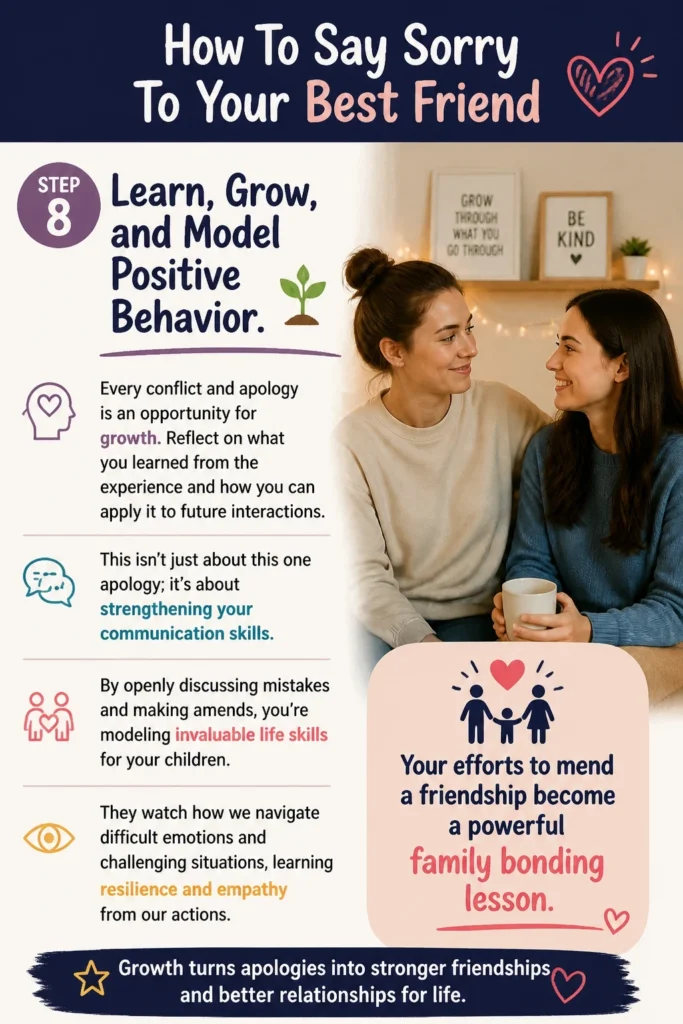
By openly discussing mistakes and making amends, you’re modeling invaluable life skills for your children. They watch how we navigate difficult emotions and challenging situations, learning resilience and empathy from our actions. Your efforts to mend a friendship become a powerful family bonding lesson.
Common Mistakes to Avoid
Making it About You
It’s easy to fall into the trap of explaining your side so thoroughly that your apology becomes more about your feelings or intentions than your friend’s hurt. While your intentions matter, the apology itself needs to focus on the impact your actions had on them. Keep the focus on their experience, not your justification.
Expecting Immediate Forgiveness
You’ve done the hard work of apologizing, but forgiveness isn’t guaranteed or instant. Your friend needs time to process and heal. Pressuring them for immediate reconciliation can feel dismissive of their pain and may push them further away. Be patient and understand that healing takes time for both of you.
Repeating the Same Mistake
An apology loses its sincerity if the behavior that caused the hurt is repeated shortly after. A true apology involves a commitment to change and growth. Show your friend that you’ve learned from the experience by making a conscious effort to adjust your actions moving forward. Consistency is key to rebuilding trust.
Troubleshooting
They’re Not Ready to Talk
If your friend is unresponsive or indicates they need more time, respect their boundaries. Send a brief, understanding message like, “I understand if you need more space, and I’ll be here when you’re ready to talk.” Then, give them that space without pestering. Continue to be a supportive presence in their life from a distance, if appropriate, and let them initiate when they feel ready.
You Don’t Know How to Start the Conversation
Sometimes the hardest part is just beginning. If you’re struggling to find the right words, try writing them down first. A simple, “Hey, I’ve been thinking about what happened, and I really want to talk when you have a moment,” can open the door. For busy parents, this might mean a quick text to schedule a chat after bedtime.
The Apology Doesn’t Feel Accepted
Even after you’ve apologized, there might be lingering tension or a sense that things aren’t fully resolved. This is normal. Continue to show up as a good friend, consistently and genuinely. Small acts of kindness, thoughtful check-ins, and shared positive experiences will gradually rebuild the bond. Trust is a marathon, not a sprint.
Key Takeaways
- Reflect deeply on your role and the impact of your actions before speaking.
- Choose the right time and method for your apology, prioritizing a focused conversation.
- Take full responsibility for your part without making excuses or justifying your behavior.
- Show empathy by acknowledging and validating your friend’s feelings and experience.
- Offer to make amends or propose solutions to help repair the situation.
- Give your friend space and be patient with their healing process.
- Consistently show up and rebuild trust through thoughtful actions and genuine connection.
- Learn from the experience to strengthen your communication and model positive behavior for your kids.
Frequently Asked Questions
Should I involve my kids in the apology?
Generally, the direct apology between adults should remain private. However, modeling the process of reflection, taking responsibility, and making amends is incredibly valuable for your children. If appropriate, a simple gesture like your school-age child helping you create a “sorry” card can be a sweet, indirect way to involve them in the spirit of reconciliation.
What if my friend apologizes first?
If your friend apologizes first, even if you feel you were also wronged, it’s a beautiful opportunity to show grace. Acknowledge their apology sincerely, and then still offer your own for your part in the situation. This mutual recognition can strengthen your bond even further.
How long should I wait before apologizing?
It’s best to apologize as soon as you’ve had time to reflect and gather your thoughts, ideally within a few days of the incident. Waiting too long can make the issue fester, but rushing into an apology without genuine understanding can also feel insincere. Find that sweet spot where you’re calm and clear-headed.
Is a text message apology ever okay?
While face-to-face or a phone call is often preferred, a heartfelt text message can be perfectly acceptable, especially for busy parents or if distance is a factor. The key is sincerity and substance. Avoid casual abbreviations or emojis; instead, write a thoughtful, clear message that covers all the points of a genuine apology.
Our Top Recommended Finds
- A beautiful blank card set: Perfect for writing a heartfelt, personalized apology that shows you took the time.
- Gourmet coffee or tea selection: A thoughtful gift to accompany your apology, especially if your friend is a fellow tired parent.
- A cozy throw blanket: A comforting gesture, perhaps for a friend who needs a little extra self-care after a difficult time.
Mending Bridges, One Heartfelt Step at a Time
Navigating friendships as an adult, especially when you’re also navigating parenthood, can be tricky. But the effort we put into nurturing these vital relationships pays off in spades, not just for our own well-being but also as a powerful example for our children. Every apology is a chance to grow, to teach, and to deepen the incredible bonds we share.
So, take a deep breath, gather your courage, and take that first step today. Your best friend, and your future self, will thank you. Remember, strong friendships, like strong families, are built on love, understanding, and the willingness to say “I’m sorry” with an open heart.