
How To Convince Your Parents For A Cat
🍼 The Newborn Survival Kit
The first six months of parenthood are a blur of exhaustion. Stop trying to tough it out—these are the 5 absolute life-saving baby essentials that experienced moms literally refuse to live without. They will instantly solve your biggest sleeping, feeding, and soothing struggles.
🌙 Hatch Rest Baby Sound Machine
The ultimate sleep hack. You can entirely control this white noise machine and dimmable nightlight from your smartphone, meaning you never have to accidentally wake the baby while sneaking back out of the nursery after a 3 AM feeding.
🤧 FridaBaby NoseFrida Snotsucker
It sounds incredibly gross until your baby has their first cold and literally cannot breathe to sleep. Throw away those useless hospital bulb syringes—this doctor-invented tool safely clears congestion in seconds, and yes, the filter absolutely prevents any germs from reaching you.
💧 Haakaa Silicone Manual Breast Pump
Every breastfeeding mom's best kept secret. Simply suction this cheap, cord-free silicone cup to the opposite breast while you nurse to effortlessly catch every drop of liquid gold letdown that would otherwise leak onto your shirt and be totally wasted.
🧴 Aquaphor Baby Healing Ointment
Forget buying ten different expensive, highly-fragranced creams. This is the only ointment you need. It miraculously cures severe diaper rash overnight, heals cracked nursing nipples, soothes baby eczema, and aggressively protects delicate skin from harsh winter wind.
☁️ Burt's Bees 100% Organic Burp Cloths
You will go through dozens of these a day, so do not cheap out on thin fabric. These thick, ultra-absorbent organic cotton cloths actually catch massive spit-ups before they ruin your only clean outfit, while remaining incredibly soft against your newborn's face.
🐈 How To Convince Your Parents For A Cat
Oh, sweet friend, I totally get it.
That longing for a purring companion, a soft ball of fur to cuddle after a long day, it’s a powerful feeling.
As a mom who’s navigated countless “can we get a pet?” conversations, I’ve learned a few tricks that actually work.

Quick Overview
This guide will walk you through a thoughtful, step-by-step process to show your parents you’re truly ready for the responsibility of a cat, not just the cute cuddles.
- Time needed: Several weeks to a few months of consistent effort and preparation
- Difficulty: Intermediate
- What you’ll need: Patience, research materials, a chore chart, a “cat fund” jar, and a whole lot of love.
Step-by-Step Instructions
Step 1: Become a Feline Expert
Before you even bring up the idea, do your homework. This isn’t just about finding cute cat pictures.
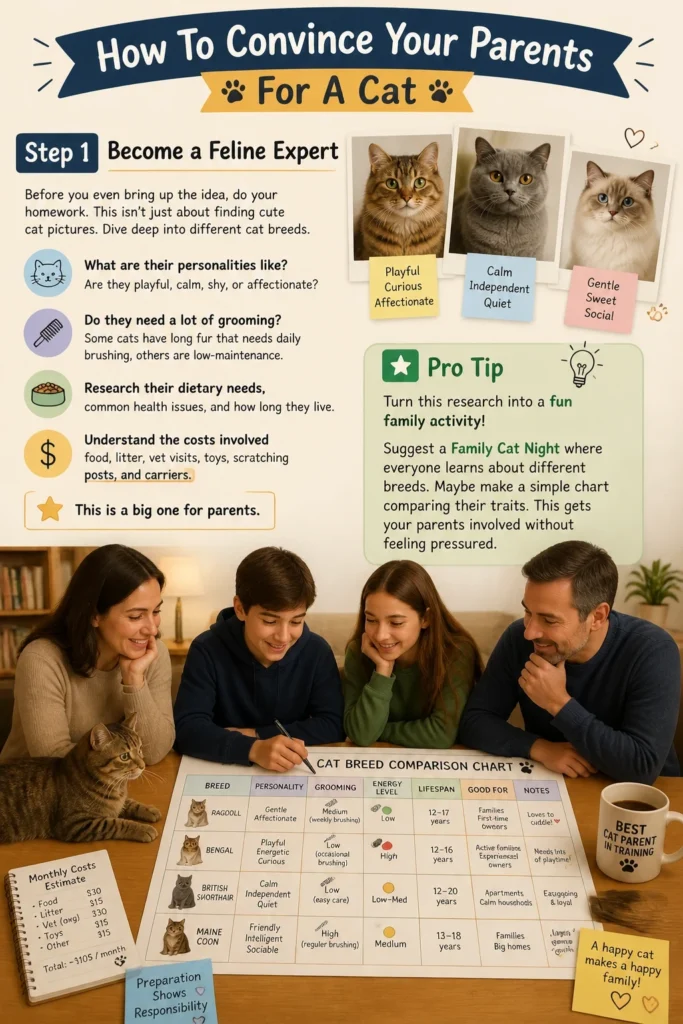
Dive deep into different cat breeds. What are their personalities like? Do they need a lot of grooming?
Research their dietary needs, common health issues, and how long they live. Understanding these details shows maturity.
Look into the costs involved: food, litter, vet visits, toys, scratching posts, and carriers. This is a big one for parents.
Pro Tip: Turn this research into a fun family activity! Suggest a “Family Cat Night” where everyone learns about different breeds. Maybe make a simple chart comparing their traits. This gets your parents involved without feeling pressured.
Step 2: Craft a Comprehensive Cat Care Plan
Parents worry about who will actually take care of the cat. Don’t just say “I will!” Show them how you will.
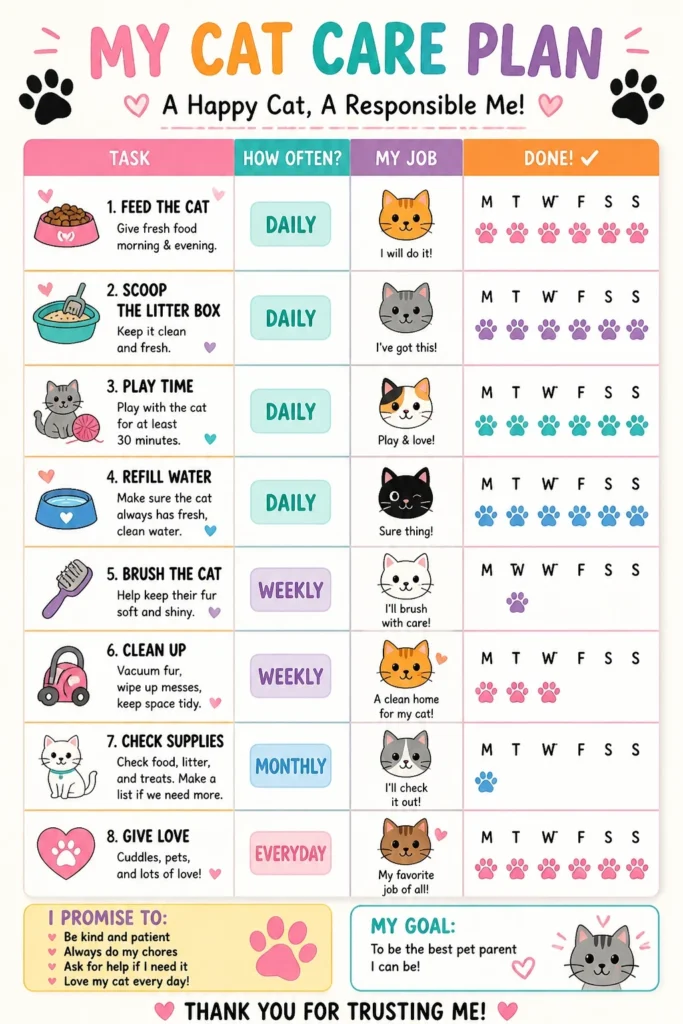
Create a detailed list of daily, weekly, and monthly tasks. Assign specific age-appropriate chores.
For school-age kids, this might mean feeding the cat twice a day, scooping the litter box daily, and playing with the cat for 30 minutes.
Toddlers can “help” by putting away their own toys, showing they can keep things tidy for a pet. They can also help by refilling the water bowl (with supervision, of course!).
Make a colorful, Pinterest-worthy chore chart! Use paw print stickers or draw cute cat faces next to each task. Hang it on the fridge.
Step 3: Budget for Your Future Feline Friend
Money is often a major concern for parents. Show them you understand the financial commitment.
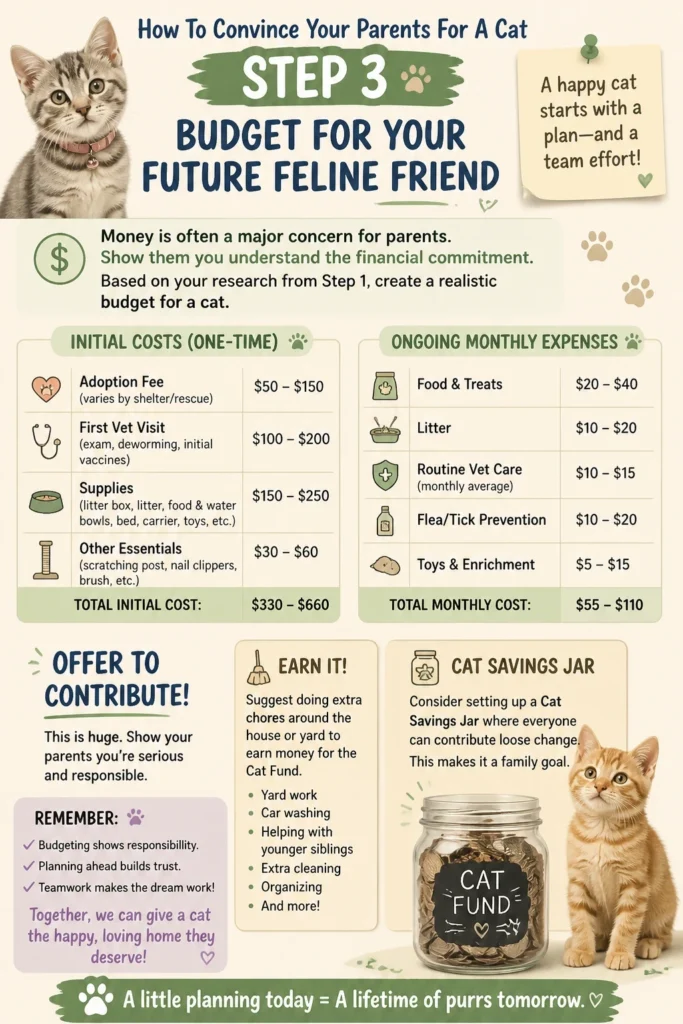
Based on your research from Step 1, create a realistic budget for a cat. Include initial costs (adoption fee, first vet visit, supplies) and ongoing monthly expenses.
Offer to contribute! This is huge. Suggest doing extra chores around the house or yard to earn money for the “Cat Fund.”
Consider setting up a “Cat Savings Jar” where everyone can contribute loose change. This makes it a family goal.
Step 4: Demonstrate Unwavering Responsibility
This is the most critical step. You need to show your parents you are capable of handling a cat, not just tell them.
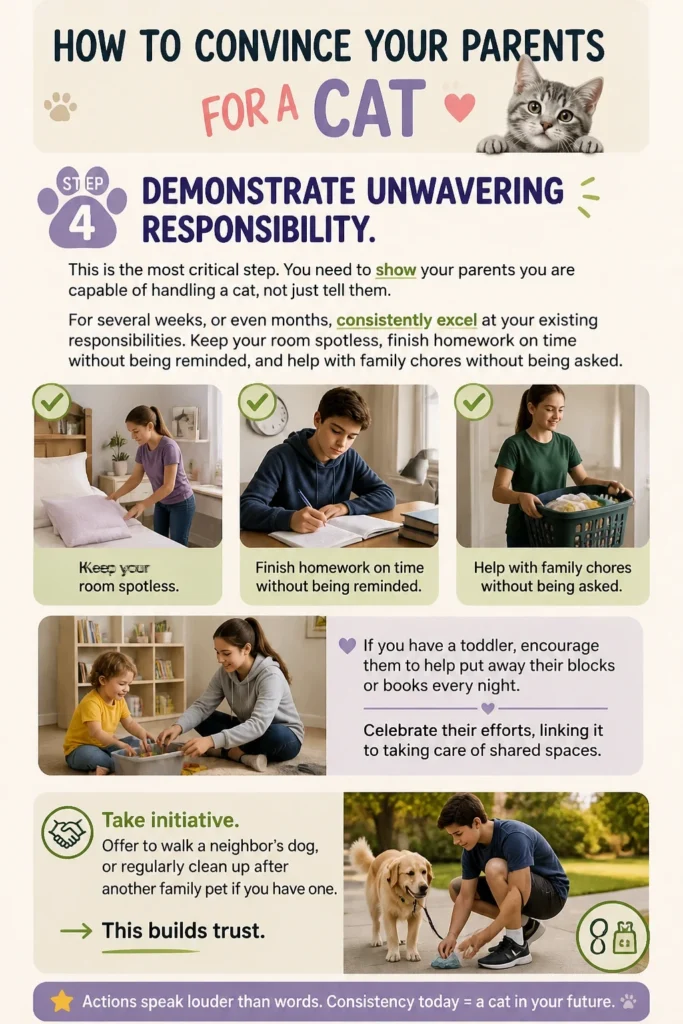
For several weeks, or even months, consistently excel at your existing responsibilities. Keep your room spotless, finish homework on time without being reminded, and help with family chores without being asked.
If you have a toddler, encourage them to help put away their blocks or books every night. Celebrate their efforts, linking it to taking care of shared spaces.
Take initiative. Offer to walk a neighbor’s dog, or regularly clean up after another family pet if you have one. This builds trust.
Step 5: Prepare Your Home (and Your Family’s Mindset)
Start subtle “cat-proofing” efforts. Move fragile items from low shelves, or tuck away loose cords.
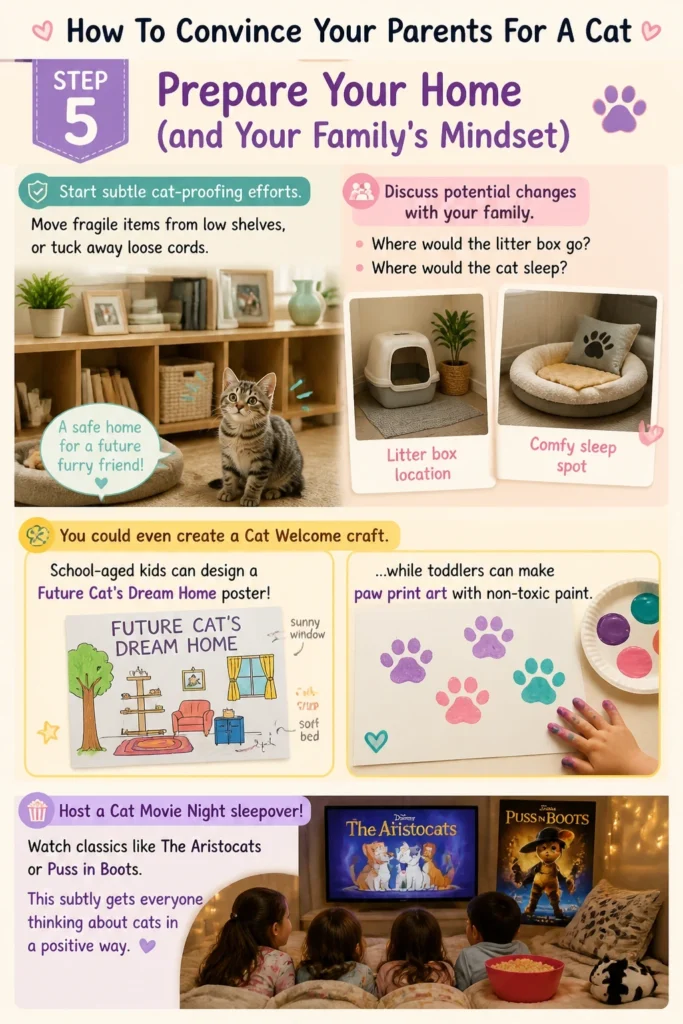
Discuss potential changes with your family. Where would the litter box go? Where would the cat sleep?
You could even create a “Cat Welcome” craft. School-aged kids can design a “Future Cat’s Dream Home” poster, while toddlers can make paw print art with non-toxic paint.
Host a “Cat Movie Night” sleepover! Watch classics like “The Aristocats” or “Puss in Boots.” This subtly gets everyone thinking about cats in a positive way.
Step 6: Visit a Local Animal Shelter or Foster Home
This isn’t about picking out a cat just yet. Frame it as “further research” or “volunteering.”
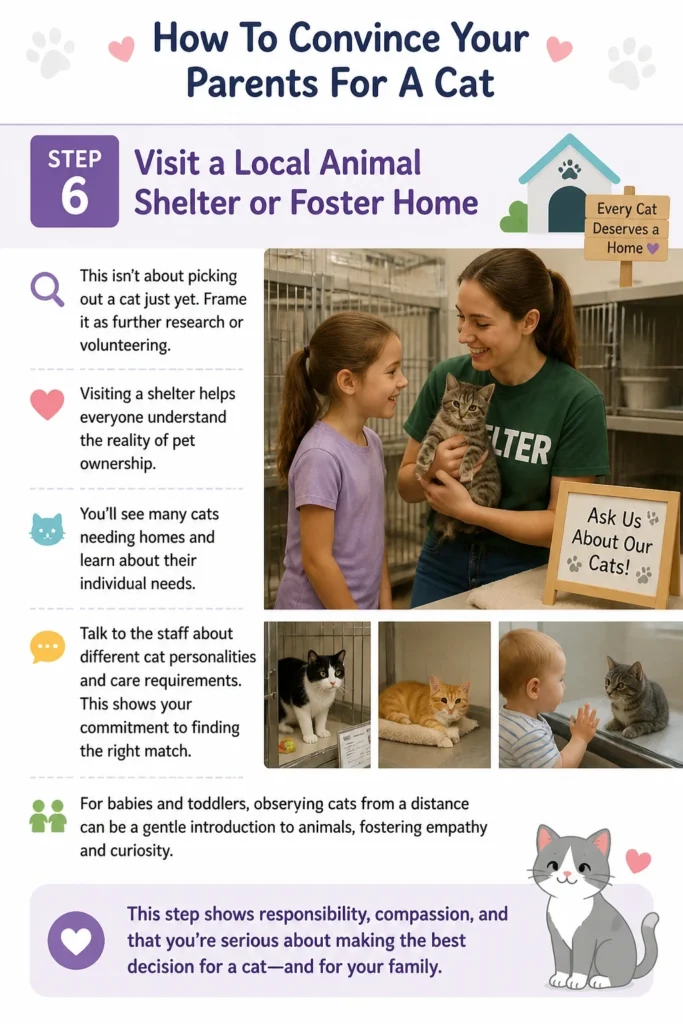
Visiting a shelter helps everyone understand the reality of pet ownership. You’ll see many cats needing homes and learn about their individual needs.
Talk to the staff about different cat personalities and care requirements. This shows your commitment to finding the right match.
For babies and toddlers, observing cats from a distance can be a gentle introduction to animals, fostering empathy and curiosity.
Step 7: Present Your “Operation: Purr-suasion” Plan
Once you’ve done all the groundwork, it’s time for the grand presentation!
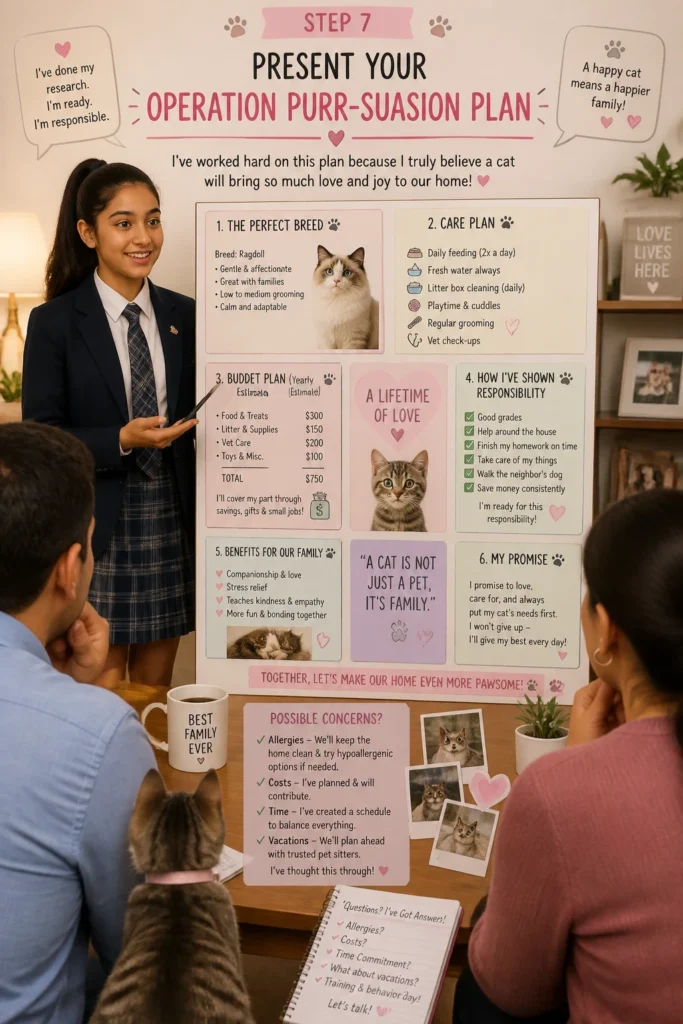
Create a visually appealing presentation board or a simple slideshow. Include all your research: breed info, care plan, budget, and how you’ve demonstrated responsibility.
Practice what you’ll say. Be calm, confident, and articulate. Answer potential questions your parents might have before they even ask.
Make it a special family moment. Maybe dress in a “school outfit” to show how serious you are. This presentation is your chance to shine.
Step 8: Practice Patience and Persistence (Gracefully!)
Your parents might not say “yes!” right away. It’s okay. Don’t get discouraged or resort to begging.
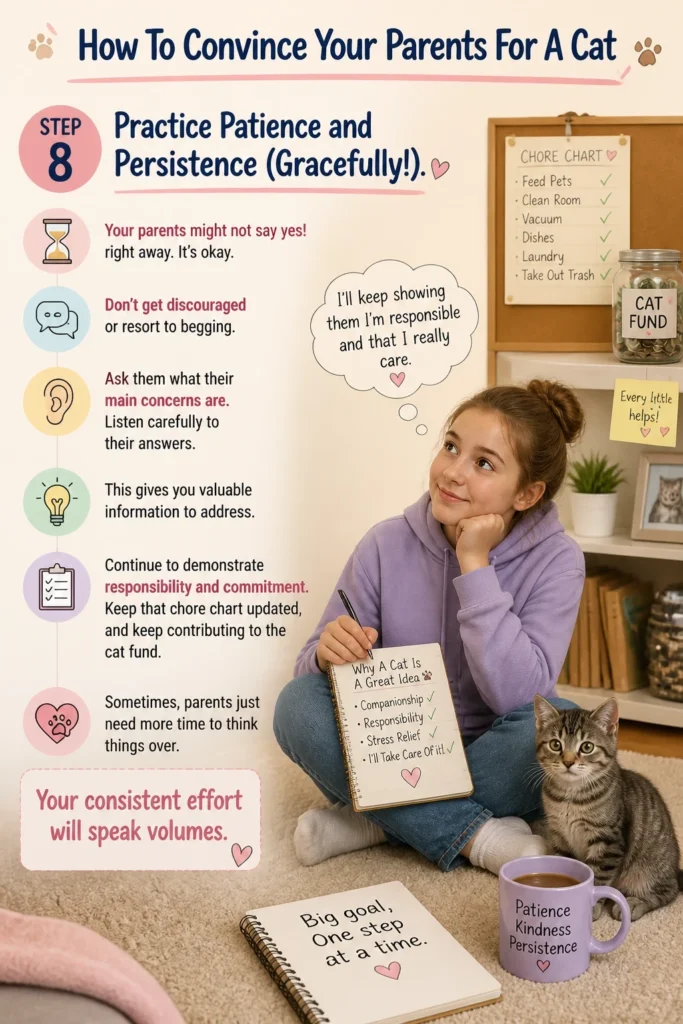
Ask them what their main concerns are. Listen carefully to their answers. This gives you valuable information to address.
Continue to demonstrate responsibility and commitment. Keep that chore chart updated, and keep contributing to the cat fund.
Sometimes, parents just need more time to think things over. Your consistent effort will speak volumes.
Step 9: Suggest a “Trial Run” (If Feasible)
If your parents are still hesitant, propose fostering a cat for a short period. Many shelters offer short-term fostering programs.
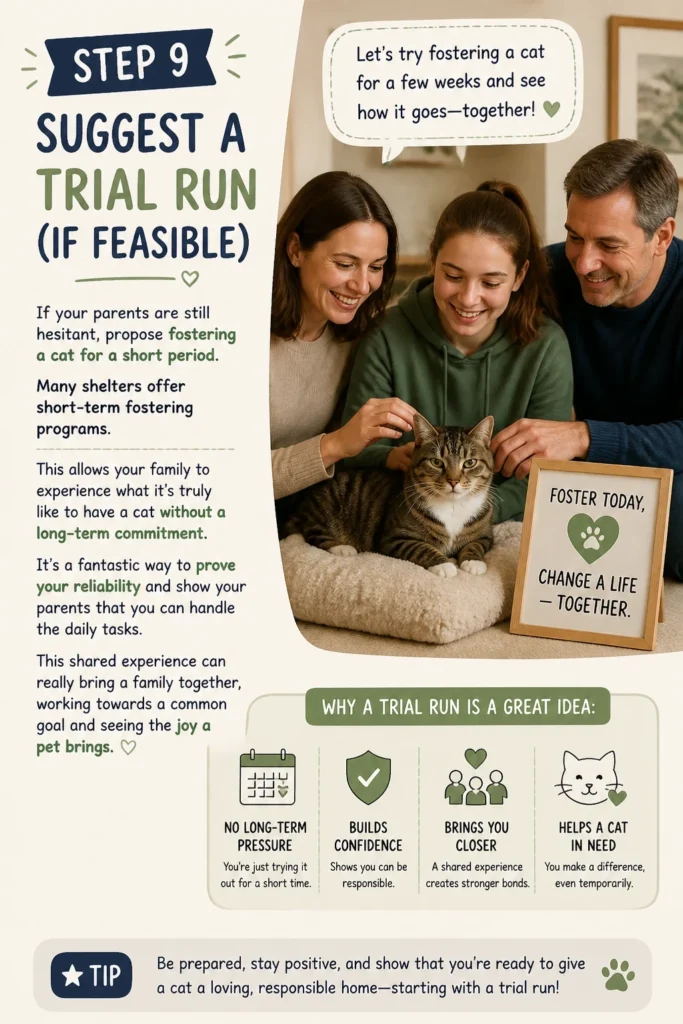
This allows your family to experience what it’s truly like to have a cat without a long-term commitment.
It’s a fantastic way to prove your reliability and show your parents that you can handle the daily tasks.
This shared experience can really bring a family together, working towards a common goal and seeing the joy a pet brings.
Common Mistakes to Avoid
Begging and Whining
Constantly asking, pleading, or throwing tantrums will almost certainly backfire. It makes you seem immature and reinforces your parents’ doubts about your readiness for responsibility.
Instead, focus on thoughtful communication and demonstrating your capability. A calm, well-reasoned argument is far more effective than emotional outbursts.
Ignoring the Costs
Many kids only focus on the cute aspect of a cat. Neglecting to acknowledge the financial commitment shows a lack of understanding of pet ownership.
By researching and offering to contribute to the costs, you show maturity and alleviate a major parental concern.
Promising Without Showing
Saying “I promise I’ll take care of it!” isn’t enough. Parents have heard that before. Actions truly speak louder than words in this scenario.
Consistently demonstrating responsibility before the cat arrives builds trust and proves your commitment far more effectively than any verbal promise.
Only Focusing on the “Cute” Factor
While cats are adorable, they are also living beings with needs beyond cuddles. Focusing solely on their cuteness minimizes the seriousness of pet ownership.
Highlight your understanding of their care requirements, health, and behavior. This shows you’re thinking long-term about their well-being.
Troubleshooting
“My Parents Keep Saying No!”
If you’ve followed all the steps and they’re still saying no, gently ask them for their specific reasons. Listen without interrupting.
Once you understand their concerns (allergies, cost, responsibility), you can address them with new solutions or further research. Maybe they need more time to see your consistent effort.
“They’re Worried About Allergies.”
This is a valid concern. Research hypoallergenic cat breeds (though no cat is 100% hypoallergenic, some produce fewer allergens).
Suggest a trial visit to a friend’s house with a cat, or even volunteering at a shelter for a short period to see if anyone reacts. Consider investing in a good air purifier if a cat does come home.
“They Think I’m Not Responsible Enough.”
This means you need to double down on demonstrating responsibility. Pick one or two areas where you can really shine, like keeping your room immaculate or always finishing homework early.
Go above and beyond your current chores. Show them, don’t just tell them, that you are capable of handling a new responsibility.
Key Takeaways
- Thorough research is your secret weapon; understand cat needs and costs inside and out.
- Create a detailed care plan and chore chart, assigning age-appropriate tasks for everyone.
- Demonstrate consistent responsibility with your current duties before even asking for a cat.
- Prepare a persuasive presentation to clearly outline your plan and commitment.
- Patience and persistence are key; don’t give up if the answer isn’t an immediate yes.
- Consider a trial foster period to show your family what cat ownership truly entails.
Frequently Asked Questions
What’s the best age for a child to get a cat?
There’s no single “best” age, as it depends on the child’s maturity and the family’s dynamic. School-aged children (6+) can typically take on more direct care tasks, while toddlers and babies can learn gentle interaction and empathy with supervision.
Should we get a kitten or an adult cat?
Kittens are undeniably cute but require more intensive training, socialization, and supervision. Adult cats often have established personalities, may already be litter-trained, and can be a calmer addition to a family, especially one with young children.
How can we prepare our home for a cat?
Cat-proofing is important! Secure loose cords, put away breakable items, ensure toxic plants are out of reach, and have a designated spot for the litter box, food, and water bowls. A scratching post and some toys are also essential from day one.
What if my parents are allergic?
Allergies can be a significant hurdle. Researching hypoallergenic breeds, discussing air purifiers, and trying a supervised visit to a home with a cat are good first steps. Sometimes, consistent exposure can lessen symptoms, but it’s crucial to prioritize health.
Our Top Recommended Finds
- Automatic Pet Feeder: Great for busy mornings, ensuring consistent meal times, and teaching kids about scheduled care.
- Durable, Covered Litter Box: Helps contain odors and litter mess, making daily scooping a more pleasant task for everyone.
- Interactive Cat Toys (e.g., laser pointer, feather wand): Encourages playtime and bonding, showing parents how easy it is to keep a cat entertained.
Your Family’s New Adventure Awaits!
Bringing a cat into your family can be one of the most rewarding experiences, filled with purrs, cuddles, and endless joy.
It’s also a fantastic way to teach kids about responsibility, empathy, and the beautiful bond we can share with animals.
Start today by researching together, making that chore chart, and consistently showing your parents just how ready you are for this wonderful new chapter.