
❤️ How To Now If A Boy Likes U
🍼 The Newborn Survival Kit
The first six months of parenthood are a blur of exhaustion. Stop trying to tough it out—these are the 5 absolute life-saving baby essentials that experienced moms literally refuse to live without. They will instantly solve your biggest sleeping, feeding, and soothing struggles.
🌙 Hatch Rest Baby Sound Machine
The ultimate sleep hack. You can entirely control this white noise machine and dimmable nightlight from your smartphone, meaning you never have to accidentally wake the baby while sneaking back out of the nursery after a 3 AM feeding.
🤧 FridaBaby NoseFrida Snotsucker
It sounds incredibly gross until your baby has their first cold and literally cannot breathe to sleep. Throw away those useless hospital bulb syringes—this doctor-invented tool safely clears congestion in seconds, and yes, the filter absolutely prevents any germs from reaching you.
💧 Haakaa Silicone Manual Breast Pump
Every breastfeeding mom's best kept secret. Simply suction this cheap, cord-free silicone cup to the opposite breast while you nurse to effortlessly catch every drop of liquid gold letdown that would otherwise leak onto your shirt and be totally wasted.
🧴 Aquaphor Baby Healing Ointment
Forget buying ten different expensive, highly-fragranced creams. This is the only ointment you need. It miraculously cures severe diaper rash overnight, heals cracked nursing nipples, soothes baby eczema, and aggressively protects delicate skin from harsh winter wind.
☁️ Burt's Bees 100% Organic Burp Cloths
You will go through dozens of these a day, so do not cheap out on thin fabric. These thick, ultra-absorbent organic cotton cloths actually catch massive spit-ups before they ruin your only clean outfit, while remaining incredibly soft against your newborn's face.
Oh, the world of childhood crushes and budding friendships! It’s a wonderful, sometimes confusing, journey for our kids. As moms, we want to be there to help them understand these new feelings.
I remember my daughter’s first “special friend” in kindergarten; her little face would just light up every time she talked about him. It’s a natural part of growing up, and we can guide them through it. This guide is all about helping you help your child understand those early social cues and feelings.

Quick Overview
This guide will equip you with practical ways to observe your child’s social interactions and gently open conversations about their feelings. It’s about being a supportive presence as they navigate the exciting world of friendships and crushes.
- Time needed: Ongoing observation, 15-30 minutes for dedicated conversations.
- Difficulty: Beginner for observation, Intermediate for sensitive conversations.
- What you’ll need: An open mind, keen observation skills, and a listening heart.
Step-by-Step Instructions
Step 1: Observe Their Interactions
Start by simply watching how your child behaves around certain friends, both at home and during playdates or school events. Their actions often speak louder than words, especially for younger kids.
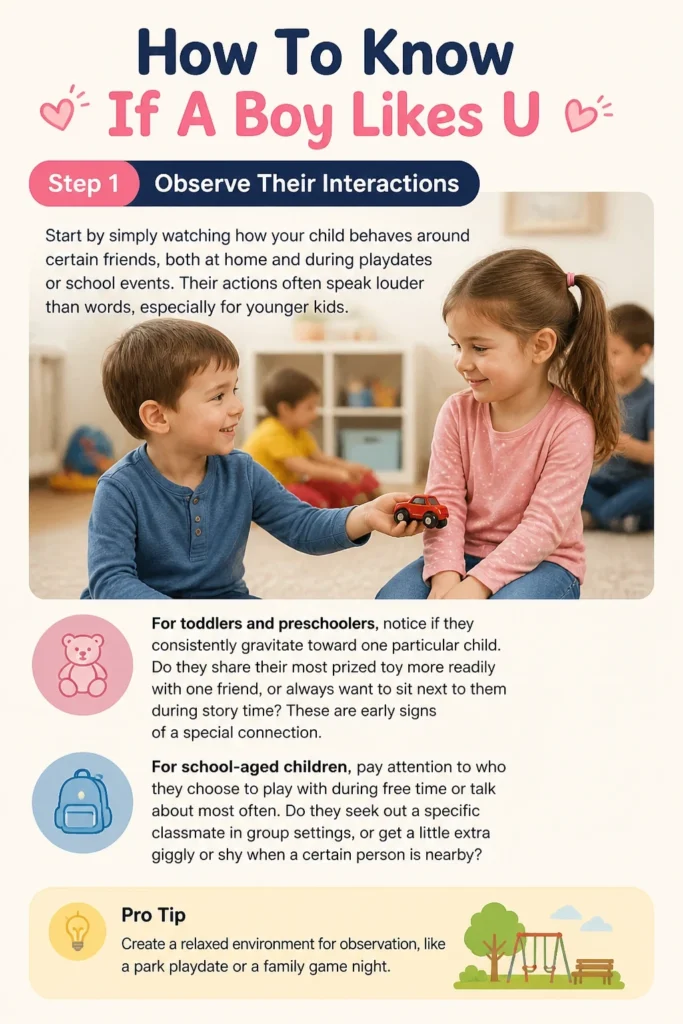
For toddlers and preschoolers, notice if they consistently gravitate toward one particular child. Do they share their most prized toy more readily with one friend, or always want to sit next to them during story time? These are early signs of a special connection.
For school-aged children, pay attention to who they choose to play with during free time or talk about most often. Do they seek out a specific classmate in group settings, or get a little extra giggly or shy when a certain person is nearby?
Pro Tip: Create a relaxed environment for observation, like a park playdate or a family game night where friends are invited. The less pressure, the more natural their interactions will be.
Step 2: Listen to Their Stories
Our children often drop hints about their feelings and social dynamics in their everyday chatter. Tune in to the names that frequently pop up in their stories about school or playtime.
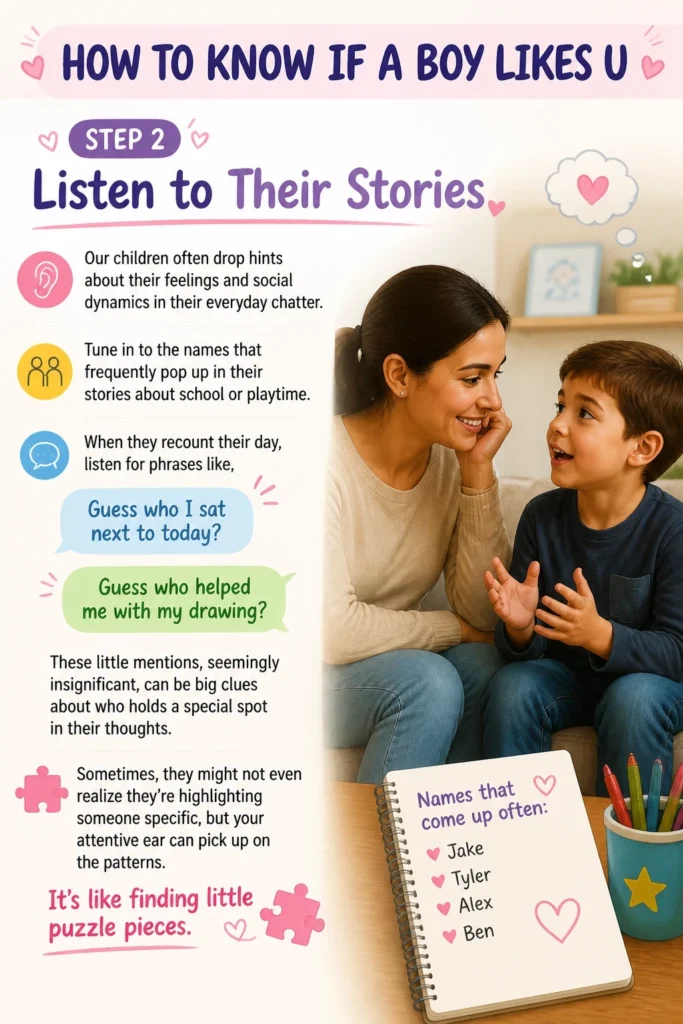
When they recount their day, listen for phrases like, “Guess who I sat next to today?” or “Guess who helped me with my drawing?” These little mentions, seemingly insignificant, can be big clues about who holds a special spot in their thoughts.
Sometimes, they might not even realize they’re highlighting someone specific, but your attentive ear can pick up on the patterns. It’s like finding little puzzle pieces.
Step 3: Notice Body Language
Body language is a universal communicator, even for kids. Watch for subtle physical cues from both your child and the person they’re interacting with.
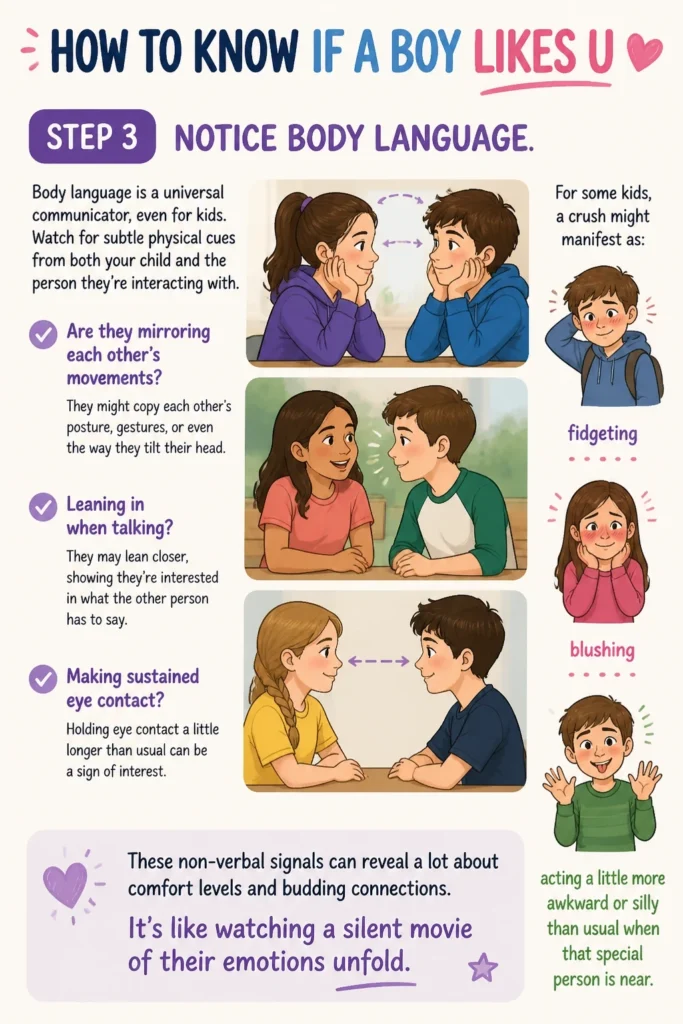
Are they mirroring each other’s movements, leaning in when talking, or making sustained eye contact? For some kids, a “crush” might manifest as fidgeting, blushing, or acting a little more awkward or silly than usual when that special person is near.
These non-verbal signals can reveal a lot about comfort levels and budding connections. It’s like watching a silent movie of their emotions unfold.
Step 4: See How They Treat Each Other
Children often show affection and preference through their actions. Observe if your child is extra kind, helpful, or even a little protective of a certain friend.
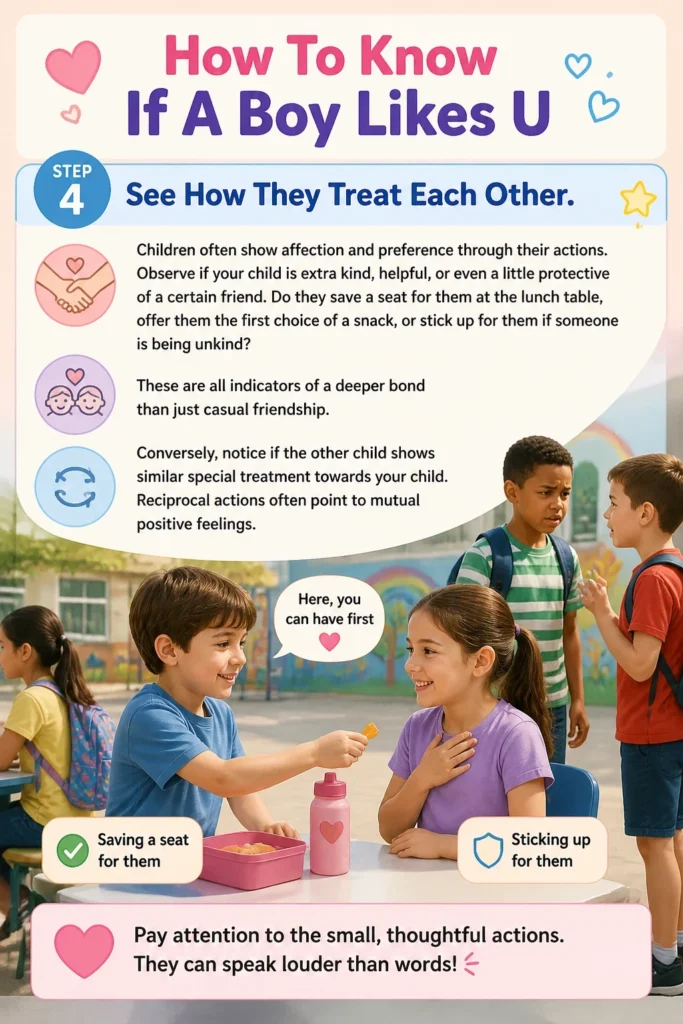
Do they save a seat for them at the lunch table, offer them the first choice of a snack, or stick up for them if someone is being unkind? These are all indicators of a deeper bond than just casual friendship.
Conversely, notice if the other child shows similar special treatment towards your child. Reciprocal actions often point to mutual positive feelings.
Step 5: Look for Shared Interests
A common way children connect is by finding shared passions. Notice if your child suddenly develops an interest in a new game, hobby, or TV show because someone else likes it.
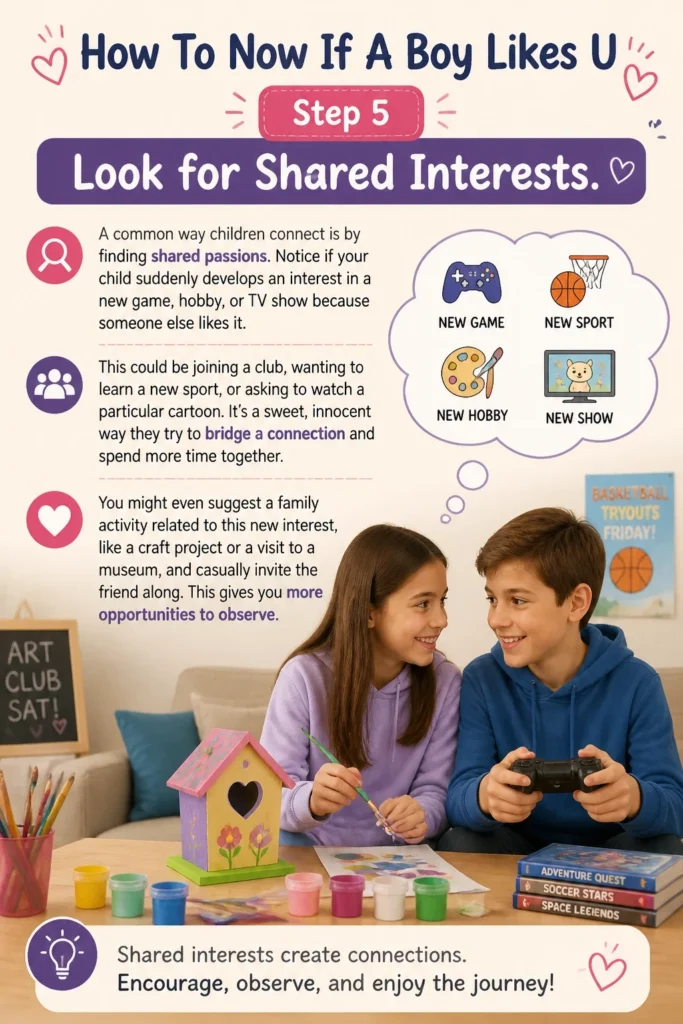
This could be joining a club, wanting to learn a new sport, or asking to watch a particular cartoon. It’s a sweet, innocent way they try to bridge a connection and spend more time together.
You might even suggest a family activity related to this new interest, like a craft project or a visit to a museum, and casually invite the friend along. This gives you more opportunities to observe.
Step 6: Gently Open the Conversation
Once you’ve gathered some observations, it’s time to gently open the door for conversation. The key is to be light, non-pressuring, and curious.
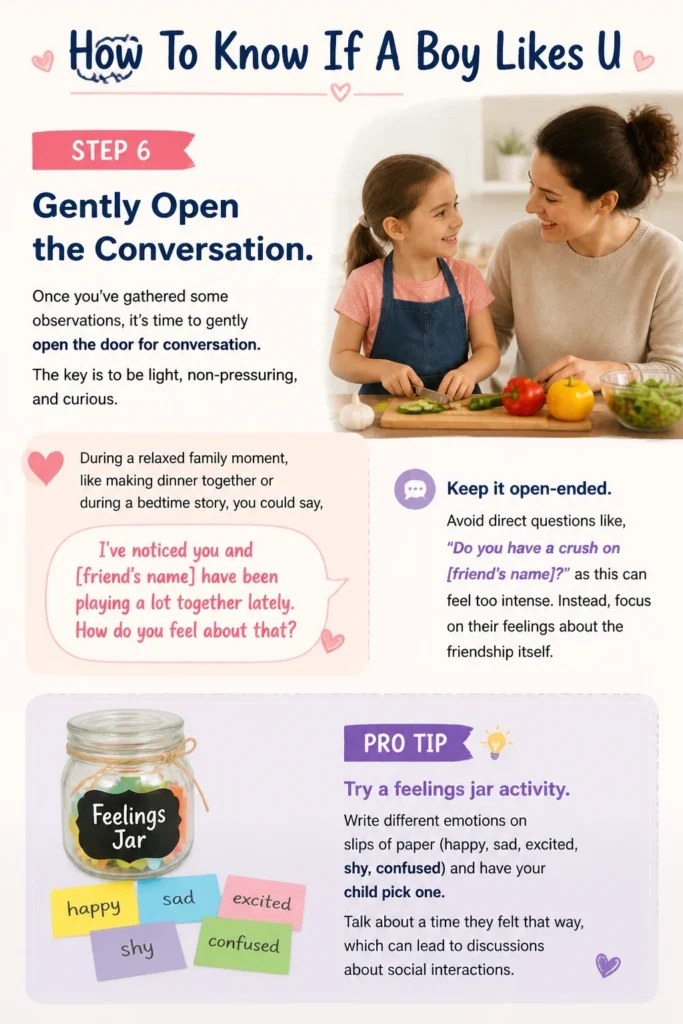
During a relaxed family moment, like making dinner together or during a bedtime story, you could say, “I’ve noticed you and [friend’s name] have been playing a lot together lately. How do you feel about that?” Keep it open-ended.
Avoid direct questions like, “Do you have a crush on [friend’s name]?” as this can feel too intense. Instead, focus on their feelings about the friendship itself.
Pro Tip: Try a “feelings jar” activity. Write different emotions on slips of paper (happy, sad, excited, shy, confused) and have your child pick one. Talk about a time they felt that way, which can lead to discussions about social interactions.
Step 7: Talk About Feelings (Theirs and Others’)
Help your child understand that “liking someone” can mean many different things. It might be a strong friendship, admiration for their skills, or that fluttery feeling of a crush.
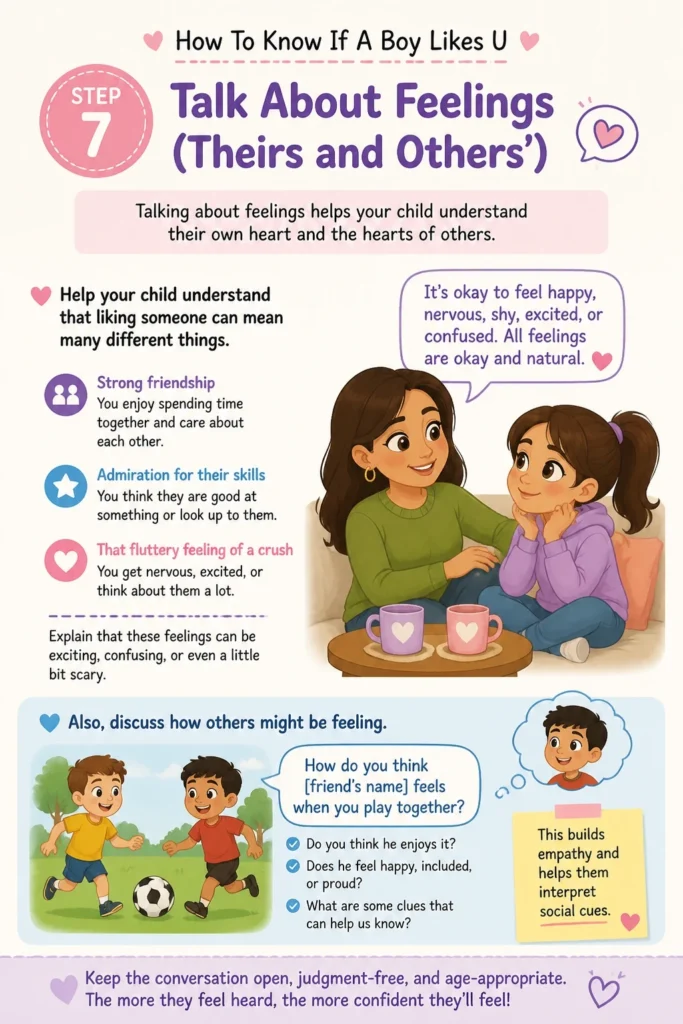
Explain that these feelings can be exciting, confusing, or even a little bit scary. Validate whatever they share, letting them know all feelings are okay and natural.
Also, discuss how others might be feeling. “How do you think [friend’s name] feels when you play together?” This builds empathy and helps them interpret social cues.
Step 8: Discuss Respect and Boundaries
As your child explores these new feelings, it’s crucial to reinforce the importance of respect and boundaries. This is a foundational life skill, not just for crushes.
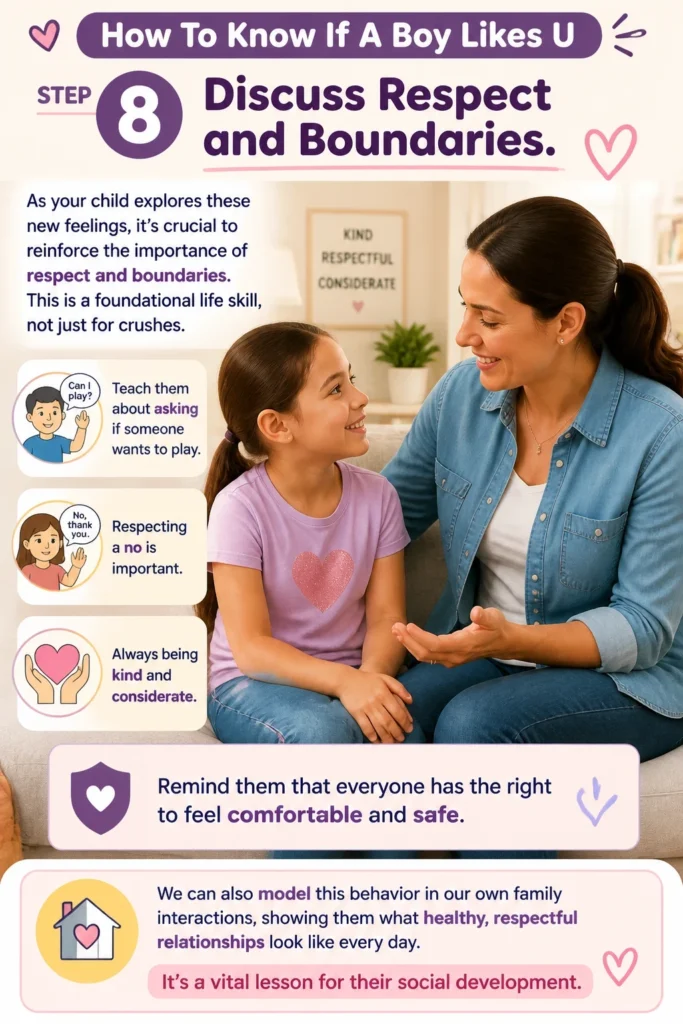
Teach them about asking if someone wants to play, respecting a “no,” and always being kind and considerate. Remind them that everyone has the right to feel comfortable and safe.
We can also model this behavior in our own family interactions, showing them what healthy, respectful relationships look like every day. It’s a vital lesson for their social development.
Step 9: Model Healthy Relationships
Children learn so much by observing us. Show them what healthy friendships and respectful interactions look like in your own life.
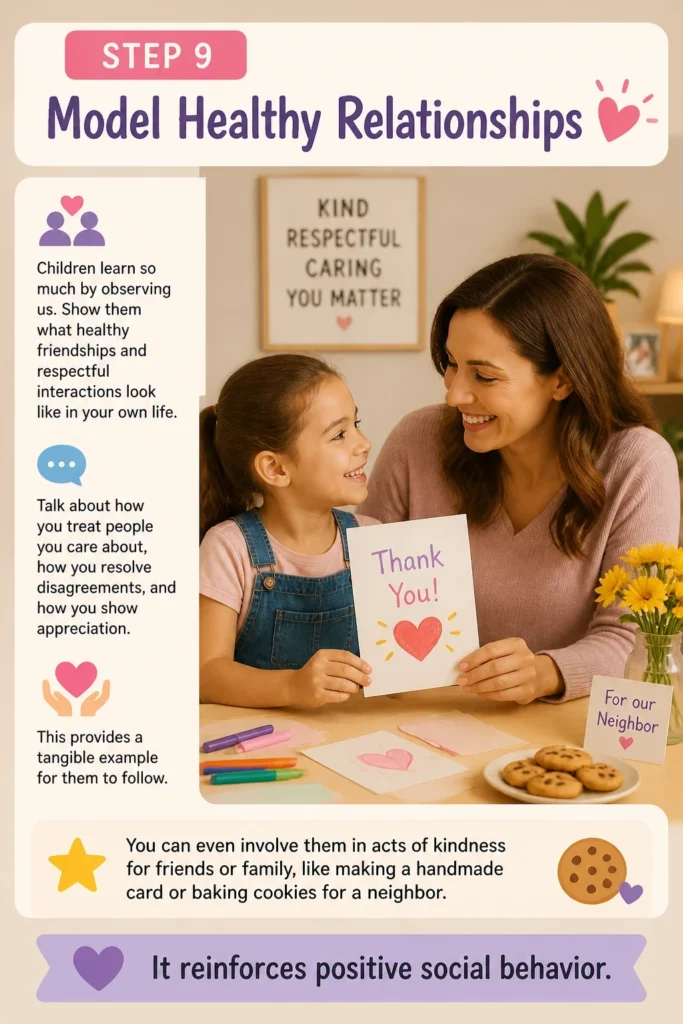
Talk about how you treat people you care about, how you resolve disagreements, and how you show appreciation. This provides a tangible example for them to follow.
You can even involve them in acts of kindness for friends or family, like making a handmade card or baking cookies for a neighbor. It reinforces positive social behavior.
Step 10: Encourage Self-Confidence
Ultimately, the most important thing is for your child to feel good about themselves, regardless of anyone else’s feelings. Remind your child they are wonderful just as they are.
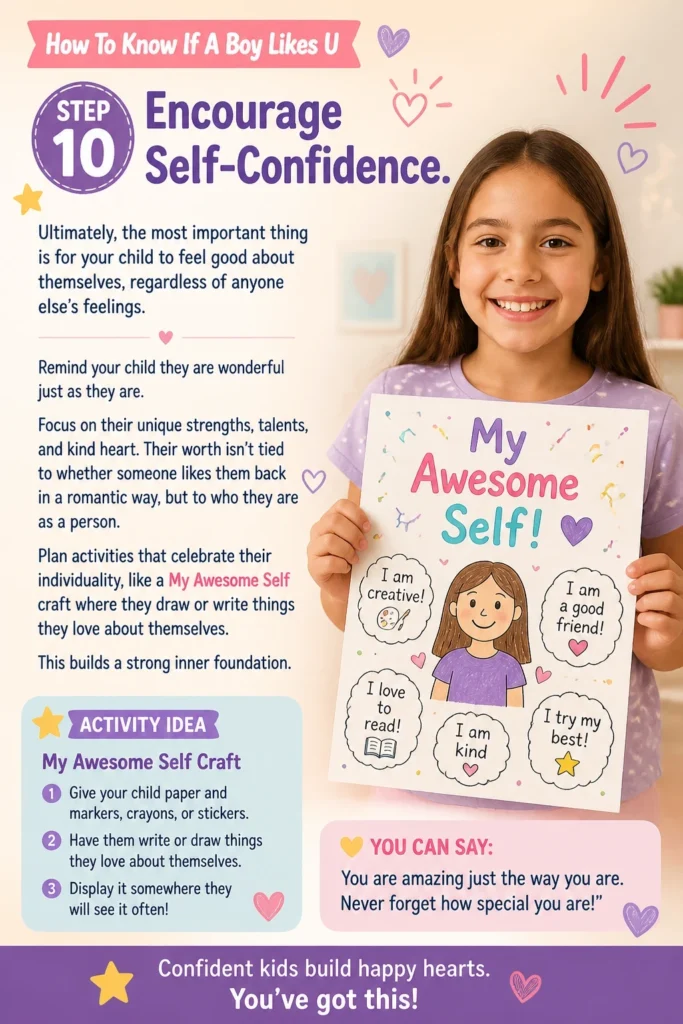
Focus on their unique strengths, talents, and kind heart. Their worth isn’t tied to whether someone “likes” them back in a romantic way, but to who they are as a person.
Plan activities that celebrate their individuality, like a “My Awesome Self” craft where they draw or write things they love about themselves. This builds a strong inner foundation.
Common Mistakes to Avoid
Pushing Too Hard for Details
It’s natural to be curious about your child’s social world, but pressing them for every little detail can shut down communication. When you push, it can make them feel interrogated or embarrassed. Instead, offer gentle invitations to talk and let them share at their own pace. A quiet car ride or a walk in the park can be great times for casual chats.
Teasing or Making Light of Their Feelings
A child’s first crush or strong friendship feelings are a big deal to them, even if they seem small to us. Teasing, even good-naturedly, or dismissing their feelings with phrases like “It’s just puppy love” can make them feel invalidated. This might lead them to stop sharing their emotions with you. Always affirm their feelings, letting them know you understand they’re important.
Projecting Your Own Experiences
It’s tempting to share stories of your own childhood crushes, but be mindful not to project your experiences or expectations onto your child. Their social journey is unique to them. What happened to you might not be relevant or helpful for their situation. Focus on listening to their story and their feelings without adding your own narrative.
Ignoring or Dismissing Their Feelings
Sometimes, in our busy lives, we might unintentionally brush off a child’s excitement or upset over a friend. Ignoring their feelings as “just a phase” can make them feel unheard and unimportant. Make time to truly listen and acknowledge their emotions, showing them that their inner world matters to you. Even a quick “That sounds really exciting/hard” can make a difference.
Troubleshooting
My Child Won’t Talk About It
If your child clams up when you try to discuss their friendships or feelings, don’t despair. Some kids are naturally more private, and direct questions can feel overwhelming. Instead of pushing, try creating a safe, low-pressure environment for sharing. This could be during a quiet car ride, while doing a puzzle together, or during a simple art project. You can also try indirect questions, like “What’s the funniest thing that happened at school today?” which might open the door to talking about friends.
My Child Is Upset Because Someone Doesn’t Like Them Back
Rejection, even in childhood, can be tough. Your child might feel sad, confused, or even angry. The best approach is to validate their feelings entirely. Say something like, “It’s really hard when you like someone and they don’t feel the same way. It’s okay to feel sad about that.” Then, gently talk about how sometimes people just connect differently, and that doesn’t mean there’s anything wrong with them. Remind them of all the wonderful qualities they possess and the other great friends they have.
My Child Is Misinterpreting Signals
Kids are still learning social cues, and sometimes they might mistake friendliness for a crush, or vice versa. Help them differentiate by discussing different ways people show friendship versus deeper feelings. You can use examples from books, movies, or even your own observations (without naming specific children). Emphasize the importance of clear communication and asking questions if they’re unsure. For instance, “If someone smiles at you, it might mean they’re being friendly, but if they always want to hold your hand and only yours, that might mean something different.”
Key Takeaways
- Observation is your superpower: Pay attention to your child’s behavior and interactions without judgment.
- Gentle conversation works best: Create a safe space for them to share, using open-ended questions.
- Validate their feelings: All emotions are okay; help them understand and process what they’re experiencing.
- Teach respect and boundaries: Emphasize kindness, consent, and healthy social interactions from an early age.
- Foster self-confidence: Remind your child of their inherent worth, regardless of others’ opinions or feelings.
- Model healthy relationships: Show them through your own actions what respectful and caring connections look like.
Frequently Asked Questions
At what age do crushes typically start?
Crushes can start surprisingly early! Some children in preschool or kindergarten might show signs of a “special friend,” which is often an intense form of friendship. More defined romantic crushes typically emerge around elementary school age, often between 8 and 12 years old, but every child is different. It’s a natural part of social development.
How do I handle rejection if my child experiences it?
Handling rejection requires empathy and reassurance. First, validate their feelings by acknowledging their sadness or disappointment. Then, help them understand that rejection is a normal part of life and doesn’t diminish their worth. Focus on reinforcing their self-esteem and reminding them of their other strong friendships. You can also suggest engaging in activities they love to help them feel better.
Should I talk to the other child’s parents about a crush?
Generally, for early childhood crushes, it’s best to observe and guide your own child without involving the other child’s parents. Most young crushes are fleeting and innocent. If you notice any concerning behavior (like bullying, persistent unwanted attention, or your child being deeply distressed), then a respectful, open conversation with the other parents or school staff might be necessary. Otherwise, let the kids navigate it with your gentle guidance.
Our Top Recommended Finds
- “A Little Spot of Feelings” Box Set: These simple, colorful books help young children identify and understand different emotions, making it easier to talk about their own feelings.
- A Blank Journal with Fun Pens: For school-aged kids, a personal journal can be a safe space to write down their thoughts and feelings without pressure. Choose one with a cool cover to make it extra appealing.
- “The Feelings Game” or “Mindful Kids” Activity Cards: These games provide prompts and scenarios to encourage open discussion about emotions, friendships, and social situations in a fun, non-threatening way.
Nurturing Hearts and Happy Connections
Navigating the world of childhood feelings, crushes, and friendships is a big adventure for our kids, and for us as parents. Remember, your most important role is to be a loving, supportive, and open presence. By observing, listening, and gently guiding, you’re equipping them with valuable social and emotional skills that will last a lifetime.
Take a moment today to connect with your child, whether it’s through a shared activity, a quiet conversation, or just a big hug. Those moments build the trust and openness that make these conversations possible. You’ve got this, mama!