
💖 How To Convince Your Parents To Let You Date
🍼 The Newborn Survival Kit
The first six months of parenthood are a blur of exhaustion. Stop trying to tough it out—these are the 5 absolute life-saving baby essentials that experienced moms literally refuse to live without. They will instantly solve your biggest sleeping, feeding, and soothing struggles.
🌙 Hatch Rest Baby Sound Machine
The ultimate sleep hack. You can entirely control this white noise machine and dimmable nightlight from your smartphone, meaning you never have to accidentally wake the baby while sneaking back out of the nursery after a 3 AM feeding.
🤧 FridaBaby NoseFrida Snotsucker
It sounds incredibly gross until your baby has their first cold and literally cannot breathe to sleep. Throw away those useless hospital bulb syringes—this doctor-invented tool safely clears congestion in seconds, and yes, the filter absolutely prevents any germs from reaching you.
💧 Haakaa Silicone Manual Breast Pump
Every breastfeeding mom's best kept secret. Simply suction this cheap, cord-free silicone cup to the opposite breast while you nurse to effortlessly catch every drop of liquid gold letdown that would otherwise leak onto your shirt and be totally wasted.
🧴 Aquaphor Baby Healing Ointment
Forget buying ten different expensive, highly-fragranced creams. This is the only ointment you need. It miraculously cures severe diaper rash overnight, heals cracked nursing nipples, soothes baby eczema, and aggressively protects delicate skin from harsh winter wind.
☁️ Burt's Bees 100% Organic Burp Cloths
You will go through dozens of these a day, so do not cheap out on thin fabric. These thick, ultra-absorbent organic cotton cloths actually catch massive spit-ups before they ruin your only clean outfit, while remaining incredibly soft against your newborn's face.
Thinking about dating is such an exciting, yet often nerve-wracking, time in a young person’s life.
I remember feeling exactly the same way, wondering how I’d ever get my parents to see things my way.
Having navigated these talks both as a teen and now as a parent myself, I’ve learned a few tricks that truly help bridge the gap.

Quick Overview
This guide will walk you through a thoughtful, step-by-step process to approach your parents about dating.
You’ll learn how to build a strong case, address their concerns, and show them you’re ready for this next step.
- Time needed: Several weeks to build trust and prepare, then a dedicated hour for the conversation.
- Difficulty: Intermediate – requires patience and strategic thinking.
- What you’ll need: A clear mind, a plan, and a willingness to listen.
Step-by-Step Instructions
Step 1: Build a Foundation of Trust and Responsibility
Before you even bring up dating, you need to show your parents you’re responsible and mature.
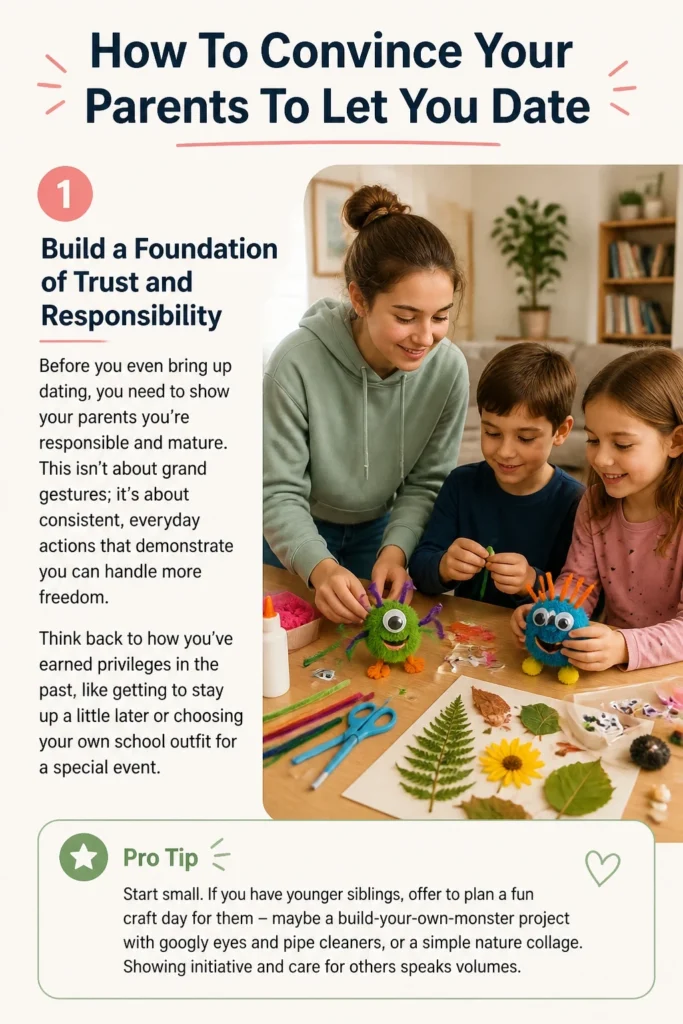
This isn’t about grand gestures; it’s about consistent, everyday actions that demonstrate you can handle more freedom.
Think back to how you’ve earned privileges in the past, like getting to stay up a little later or choosing your own school outfit for a special event.
Pro Tip: Start small. If you have younger siblings, offer to plan a fun craft day for them – maybe a “build-your-own-monster” project with googly eyes and pipe cleaners, or a simple nature collage. Showing initiative and care for others speaks volumes.
Step 2: Excel in Your Current Responsibilities
Your parents need to see that you’re already on top of your game.
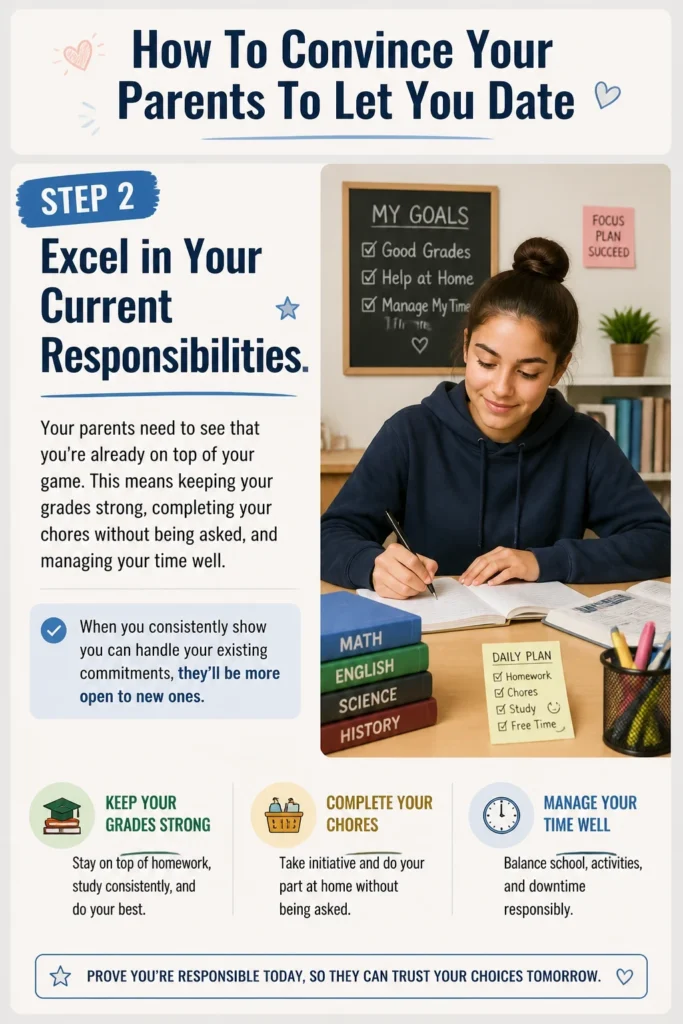
This means keeping your grades strong, completing your chores without being asked, and managing your time well.
When you consistently show you can handle your existing commitments, they’ll be more open to new ones.
Step 3: Communicate Openly and Honestly
Foster an environment where talking feels easy and natural, not just when you want something.
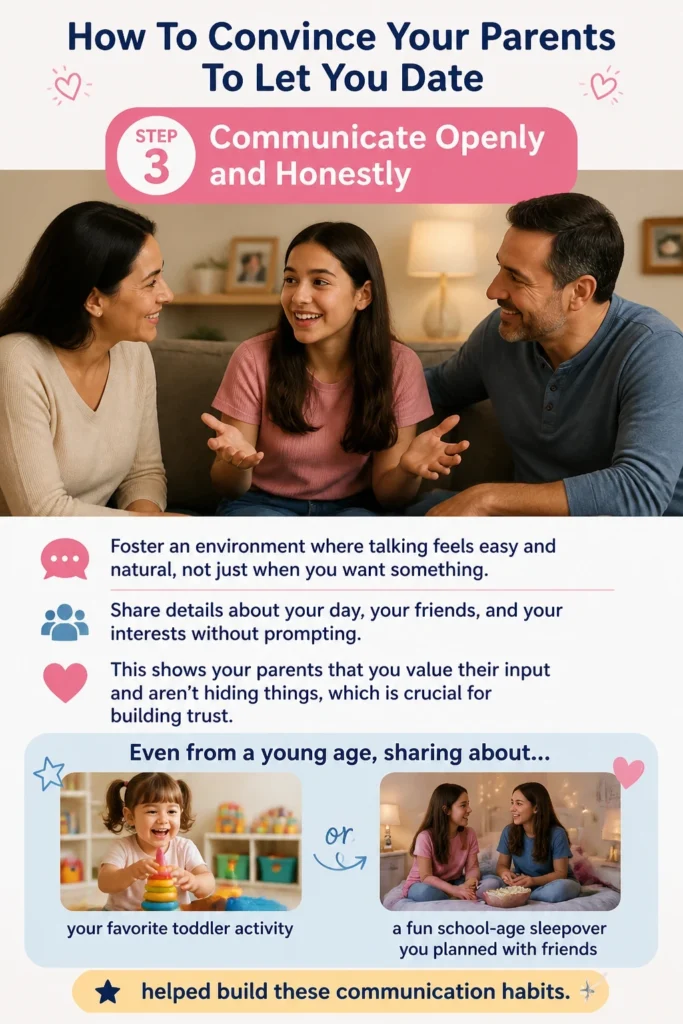
Share details about your day, your friends, and your interests without prompting.
This shows your parents that you value their input and aren’t hiding things, which is crucial for building trust.
Even from a young age, sharing about your favorite toddler activity or a fun school-age sleepover you planned with friends helped build these communication habits.
Step 4: Understand Their Perspective and Concerns
Put yourself in their shoes for a moment. What are their biggest fears about you dating?

Are they worried about your safety, your grades slipping, or you getting hurt emotionally?
Identifying these concerns beforehand will help you address them directly and thoughtfully.
Pro Tip: Maybe they’re worried about you being out late. Suggest a fun, family-friendly activity you can all do together, like a DIY pizza night or building a fort in the living room for a movie marathon. This shows you still value family time and can also be responsible with your entertainment choices.
Step 5: Research and Prepare Your Proposal
Don’t just spring the topic on them. Come to them with a well-thought-out plan.
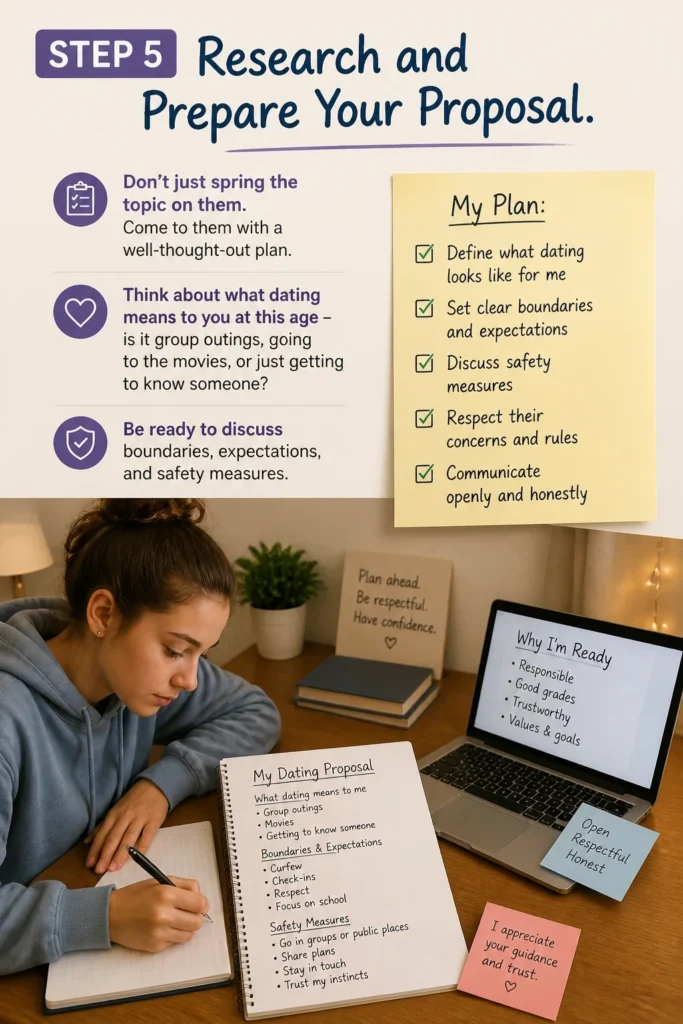
Think about what dating means to you at this age – is it group outings, going to the movies, or just getting to know someone?
Be ready to discuss boundaries, expectations, and safety measures.
Step 6: Choose the Right Time and Place
Timing is everything. Pick a moment when your parents are relaxed, not stressed or busy.
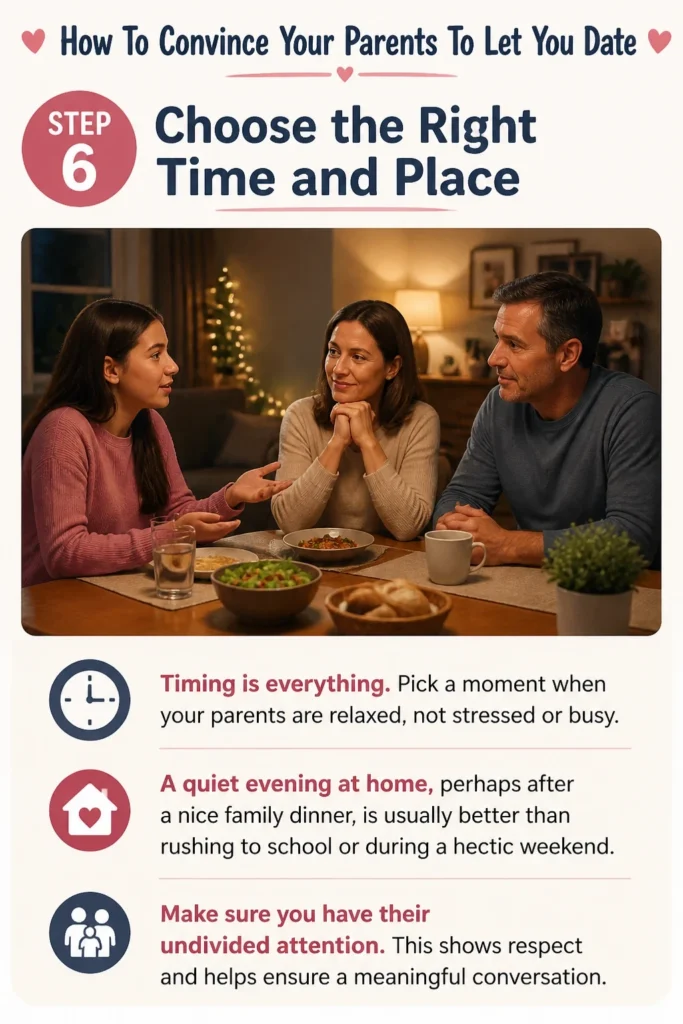
A quiet evening at home, perhaps after a nice family dinner, is usually better than rushing to school or during a hectic weekend.
Make sure you have their undivided attention.
Step 7: Present Your Case Calmly and Respectfully
Start by acknowledging their feelings and concerns. Say something like, “Mom and Dad, I know you might have some worries about this, but I’d really like to talk about dating.”
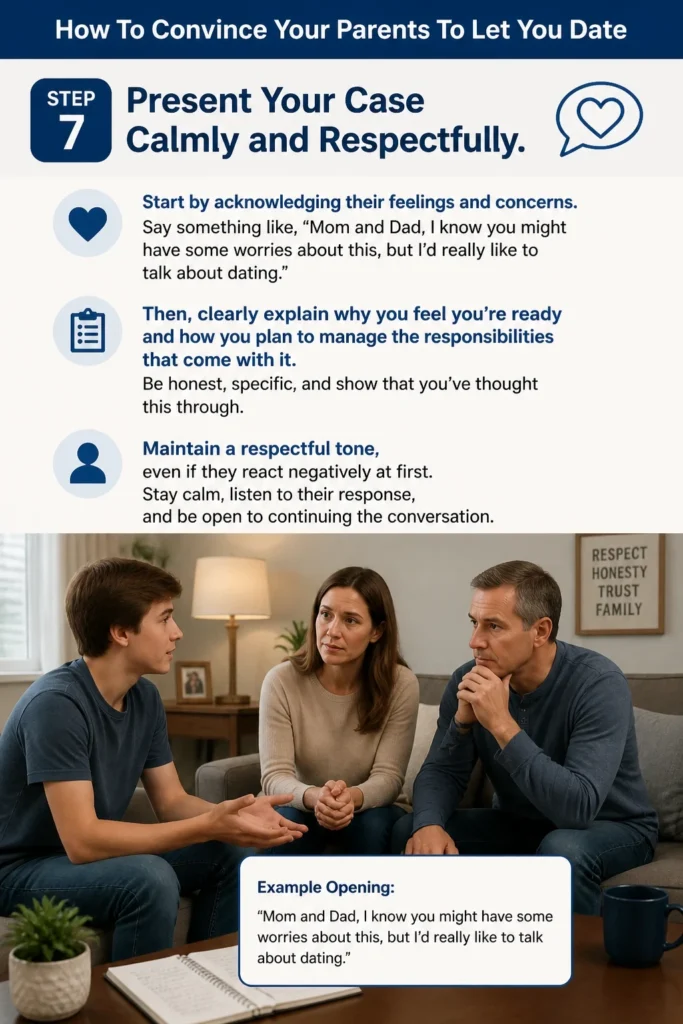
Then, clearly explain why you feel you’re ready and how you plan to manage the responsibilities that come with it.
Maintain a respectful tone, even if they react negatively at first.
Step 8: Propose Clear Boundaries and Expectations
Offer specific ideas for how dating would work. This shows you’ve thought things through.
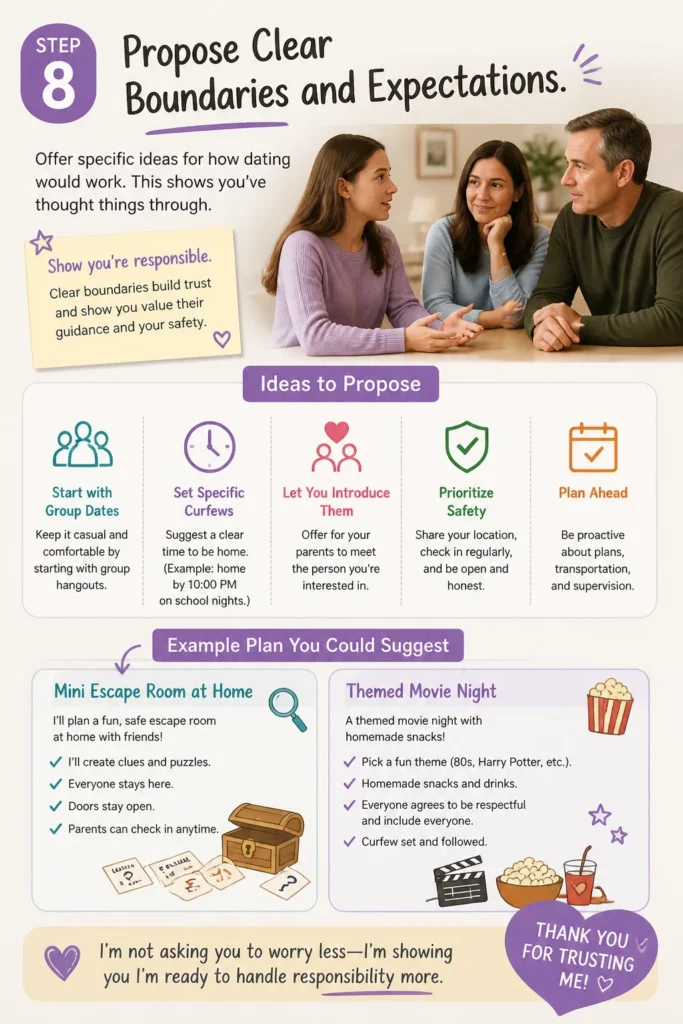
Suggest group dates, specific curfews, or letting them meet the person you’re interested in.
Be proactive about safety, like sharing your location or checking in regularly.
You could even offer to plan a fun, safe group outing with friends, like a mini “escape room” at home with clues you’ve hidden, or a themed movie night with homemade snacks, showing you can organize responsible fun.
Step 9: Listen Actively and Be Open to Compromise
After you’ve presented your case, give them space to talk.

Listen carefully to their concerns without interrupting or getting defensive.
Be prepared to negotiate and find common ground that works for everyone.
This is a conversation, not a demand.
Step 10: Follow Through and Rebuild if Needed
If they agree, even with conditions, it’s crucial to follow through on every promise you’ve made.
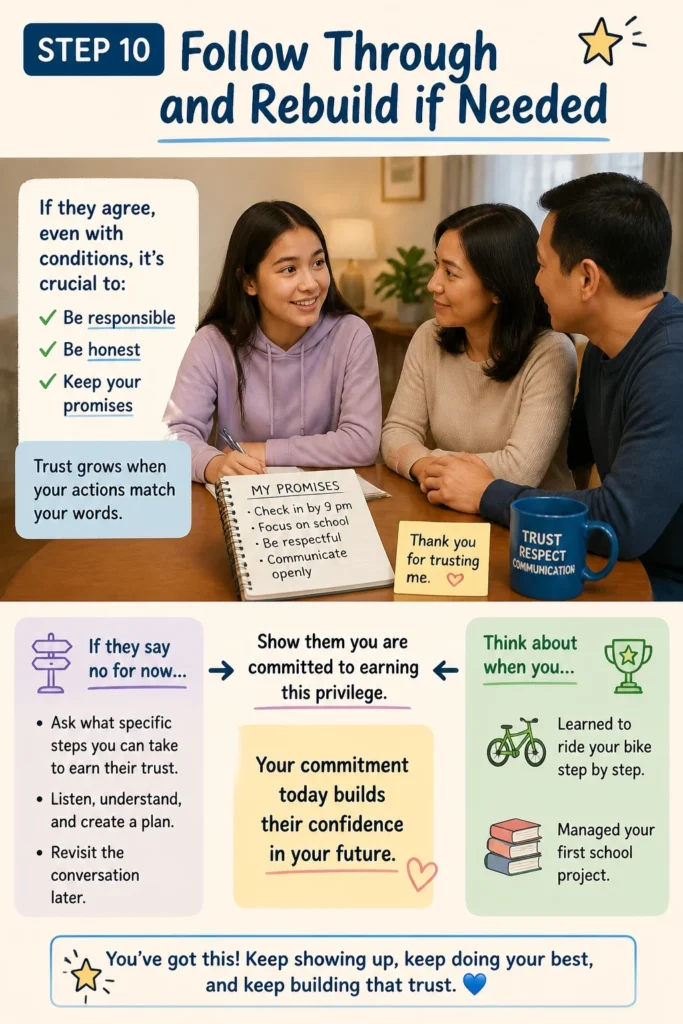
If they say no for now, ask what specific steps you can take to earn their trust and revisit the conversation later.
Show them you are committed to earning this privilege, just like you showed commitment to learning to ride your bike or managing your first school project.
Common Mistakes to Avoid
Demanding, Not Discussing
Approaching your parents with an ultimatum or a demanding tone will immediately put them on the defensive.
They’ll feel disrespected and less likely to listen to your point of view.
Instead, frame it as a conversation where you’re seeking their guidance and understanding, showing you value their wisdom.
Hiding or Being Deceptive
If your parents find out you’ve been secretly dating or sneaking around, all trust will be broken.
This makes it incredibly difficult to have any future conversations about dating or other privileges.
Honesty, even when it’s hard, is always the best policy and reinforces that you’re trustworthy.
Ignoring Their Concerns
Dismissing your parents’ worries as “old-fashioned” or “overprotective” will shut down the conversation.
Their concerns often come from a place of love and wanting to protect you.
Acknowledge their fears and show them you’ve considered them by offering solutions and reassurances.
Bringing Up the Topic at the Wrong Time
Trying to talk about dating when your parents are stressed, busy, or in the middle of a conflict will not yield positive results.
You need their full attention and a calm environment to have a productive discussion.
Patience in choosing the moment shows maturity.
Troubleshooting
My Parents Said No Right Away
Don’t panic or get angry. This is a common initial reaction.
Calmly ask them, “What are your biggest concerns, and what can I do to help you feel more comfortable?”
Listen to their answers, then propose specific actions you can take to address those concerns over the next few weeks or months.
Maybe they’d feel better if you spent more time helping out with family activities, like planning a fun outdoor scavenger hunt or taking charge of organizing a themed movie night complete with DIY popcorn bar.
They Keep Bringing Up Past Mistakes
Acknowledge their feelings and apologize again if necessary for past missteps.
Then, gently pivot to how you’ve learned and grown since then, emphasizing your current responsible behavior.
You can say, “I understand why you’re bringing that up, and I’ve really tried to show you that I’ve changed since then by doing X, Y, and Z.”
Point to recent successes, like consistently getting good grades or taking initiative on household chores.
They Want to Know Every Single Detail About the Person
This is usually a sign of their protective instincts and a desire for safety.
Be open and willing to share appropriate information, like their name, what school they go to, and a little about their interests.
Suggest they meet the person briefly, perhaps at a casual family gathering or a quick hello before a group outing.
This transparency helps them feel more secure and involved.
Key Takeaways
- Build Trust Consistently: Daily acts of responsibility create a strong foundation.
- Communicate Openly: Regular, honest conversations are crucial for understanding and connection.
- Understand Their Fears: Address your parents’ concerns directly and thoughtfully.
- Prepare a Plan: Come with clear boundaries, expectations, and safety measures.
- Be Patient and Respectful: This is a process, and a calm approach yields better results.
- Compromise is Key: Be willing to negotiate and find common ground.
Frequently Asked Questions
What’s the right age to start dating?
There’s no single “right” age, as maturity levels vary greatly among individuals. It’s more about your personal readiness, your ability to handle responsibility, and your parents’ comfort level. Many parents consider around 14-16 a reasonable age for casual, supervised dating or group outings, but every family is different.
Should I bring up a specific person I like?
It can be helpful to discuss dating in general terms first, to gauge their initial reaction. Once you’ve had that conversation, if they’re open to the idea, then you can introduce the specific person you’re interested in. This allows them to process the concept of dating before focusing on a particular individual.
What if my parents have different opinions on dating?
If your parents have differing views, try to talk to them both together. This ensures you hear both perspectives and they can work towards a unified front. You can help facilitate this by presenting a balanced plan that addresses concerns from both sides, showing you’ve considered everyone’s feelings.
How can I show I’m responsible beyond just good grades?
Responsibility extends beyond academics. Think about how you manage your time, handle chores, contribute to family life, and make good choices with friends. Perhaps you could take initiative in planning a fun family activity, like a themed game night with homemade trophies, or helping your toddler sibling with a new developmental activity. These actions demonstrate maturity and reliability.
Our Top Recommended Finds
- Family Planner Whiteboard: Great for clearly outlining everyone’s responsibilities, appointments, and family fun nights. It helps show your commitment to managing your schedule.
- “The 7 Habits of Highly Effective Teens” Book: A fantastic resource for personal growth, time management, and building strong character, which directly translates to demonstrating readiness for dating.
- DIY Craft Kit for Family Nights: Having supplies on hand for spontaneous family bonding activities (like making friendship bracelets or decorating picture frames) shows your parents you still value time together and can initiate positive interactions.
Building Connections, Building Trust
Convincing your parents to let you date is really about proving you’re ready for more independence.
It’s a journey of showing maturity, responsibility, and an understanding of their concerns.
Remember all those moments you’ve built trust over the years – from helping with baby sibling care, to acing that big school presentation, to organizing a memorable sleepover party for your friends.
Those experiences are your proof that you can handle this next step, too.
Start today by focusing on open communication and consistent responsibility.
You’ve got this!