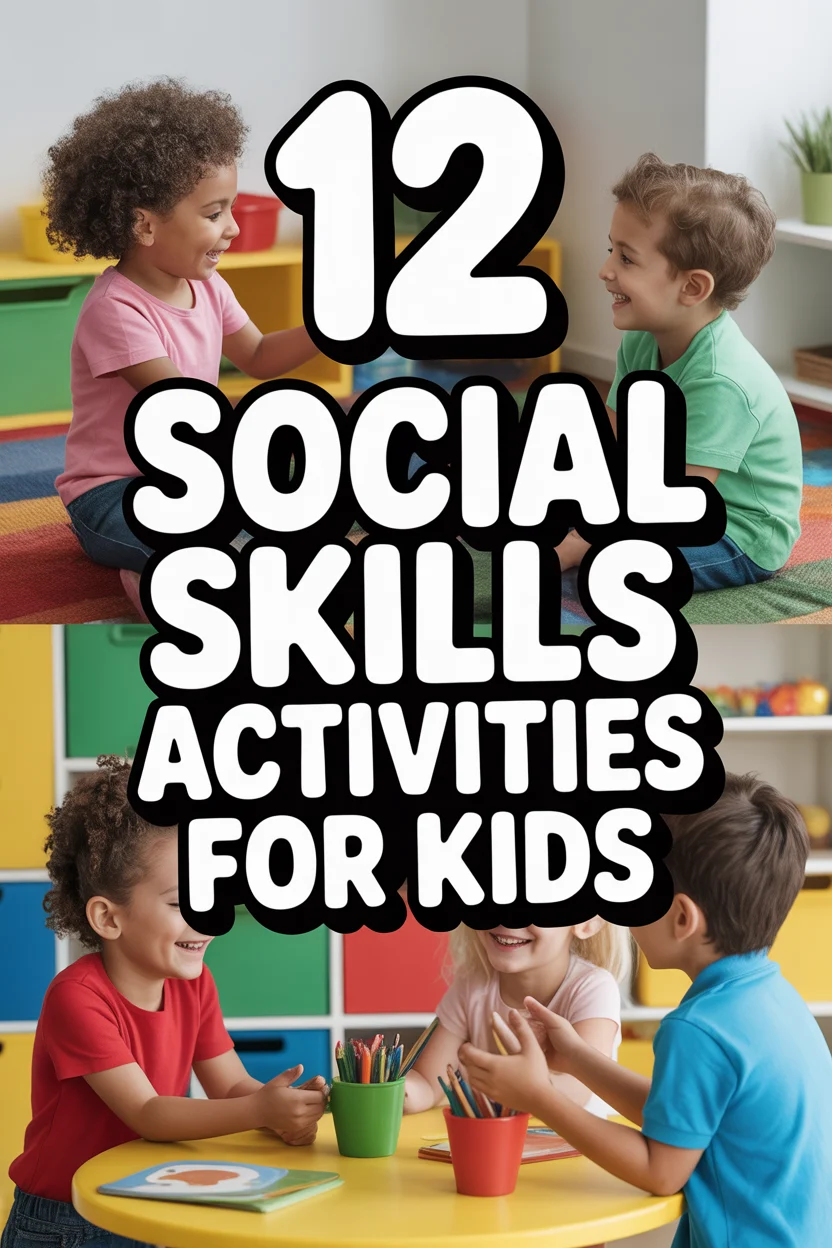
🤝 12 Social Skills Activities For Kids
🍼 The Newborn Survival Kit
The first six months of parenthood are a blur of exhaustion. Stop trying to tough it out—these are the 5 absolute life-saving baby essentials that experienced moms literally refuse to live without. They will instantly solve your biggest sleeping, feeding, and soothing struggles.
🌙 Hatch Rest Baby Sound Machine
The ultimate sleep hack. You can entirely control this white noise machine and dimmable nightlight from your smartphone, meaning you never have to accidentally wake the baby while sneaking back out of the nursery after a 3 AM feeding.
🤧 FridaBaby NoseFrida Snotsucker
It sounds incredibly gross until your baby has their first cold and literally cannot breathe to sleep. Throw away those useless hospital bulb syringes—this doctor-invented tool safely clears congestion in seconds, and yes, the filter absolutely prevents any germs from reaching you.
💧 Haakaa Silicone Manual Breast Pump
Every breastfeeding mom's best kept secret. Simply suction this cheap, cord-free silicone cup to the opposite breast while you nurse to effortlessly catch every drop of liquid gold letdown that would otherwise leak onto your shirt and be totally wasted.
🧴 Aquaphor Baby Healing Ointment
Forget buying ten different expensive, highly-fragranced creams. This is the only ointment you need. It miraculously cures severe diaper rash overnight, heals cracked nursing nipples, soothes baby eczema, and aggressively protects delicate skin from harsh winter wind.
☁️ Burt's Bees 100% Organic Burp Cloths
You will go through dozens of these a day, so do not cheap out on thin fabric. These thick, ultra-absorbent organic cotton cloths actually catch massive spit-ups before they ruin your only clean outfit, while remaining incredibly soft against your newborn's face.
Okay, real talk. Raising tiny humans is basically a masterclass in chaos, right? And sometimes, getting them to, you know, share or listen feels like asking for the moon. But fear not, fellow parent, aunt, uncle, or cool adult, because we’re diving into some seriously fun ways to turn those little social butterflies (or sometimes, social caterpillars) into interaction pros. No more awkward playdates, just pure, unadulterated connection-building. You’re welcome.
1. Role-Playing Games
Ever wish your kid came with a “social situations” manual? Grab some dress-up clothes or just use everyday scenarios. Pretend to be different characters, practice greetings, asking for turns, or even dealing with disappointment. It’s a low-stakes way to try on new behaviors without the real-world pressure.
Pro Tip Encourage them to act out both sides of a conversation. It builds empathy like a boss.
They get to experiment with social scripts in a safe, silly space.
2. Board Game Bonanza
Who knew Candyland was a covert social skills bootcamp? Board games are goldmines for teaching turn-taking, following rules, and managing wins (and losses) gracefully. Think about the joy of victory and the sting of defeat – all excellent practice for real life.
Pro Tip Pick games that require a bit of strategy or cooperation, not just pure luck. Cooperative games are especially brilliant for teamwork.
It’s structured interaction with built-in lessons on fair play and emotional regulation.
3. “Simon Says” with a Twist
Simon Says is classic, but let’s level it up. Play the traditional game to practice listening and following instructions. Then, add a twist where “Simon” gives social commands, like “Simon says compliment someone” or “Simon says ask a friend how they’re feeling.”
Pro Tip Let the kids take turns being Simon. It boosts their leadership and communication skills.
It sharpens listening ears and introduces positive social actions in a playful format.
4. Storytelling Circles
Time to spin some yarns, little wordsmiths! Gather everyone in a circle. One person starts a story with a sentence, and then the next person adds another sentence, building on the previous one. This requires active listening and creative collaboration.
Pro Tip Use visual prompts like pictures or objects to spark their imagination if they get stuck.
It fosters joint attention, imaginative play, and the art of contributing to a shared narrative.
5. Puppet Show Power
Got some old socks? You’ve got a social skills superpower. Puppets are fantastic for shy kids because they can express feelings, practice tricky conversations, or even solve conflicts through their puppet alter egos. It creates a comfortable distance for experimenting.
Pro Tip Have the puppets encounter a social problem, like one puppet not sharing, and let the kids brainstorm solutions.
It’s a non-threatening way for kids to explore emotions and social dynamics.
6. “Feelings Charades”
Let’s get dramatic with those emotions! Write different emotions (happy, sad, angry, surprised, shy, proud) on slips of paper. Kids pick one and act it out without speaking, while others guess. This helps them recognize and express feelings in a fun way.
Pro Tip After guessing, talk about why someone might feel that way and what they could do if they saw a friend feeling it.
It builds emotional literacy, which is basically the bedrock of all good social interactions.
7. Cooperative Art Projects
Art isn’t just about masterpieces; it’s about mastering collaboration. Give kids a large piece of paper or a shared canvas and a variety of art supplies. Challenge them to create something together. They’ll need to share materials, discuss ideas, and compromise on their vision.
Pro Tip Assign specific roles initially if they struggle, like “color picker” or “idea generator,” then let them flow.
It’s a hands-on lesson in teamwork, sharing, and respecting different creative approaches.
8. “Compliment Catch”
Spread some good vibes, one compliment at a time. Have kids stand in a circle. One person starts by giving a genuine compliment to someone else (e.g., “I like how you always make me laugh, Sarah!”). That person “catches” the compliment and then passes one to someone else.
Pro Tip Model specific, positive compliments rather than general ones to teach them how to observe and articulate appreciation.
It teaches kids to give and receive positive feedback, boosting self-esteem and fostering positive relationships.
9. “What Would You Do?” Scenarios
Let’s solve some social puzzles, junior problem-solvers! Present simple social dilemmas (e.g., “Your friend is sad because they dropped their ice cream. What do you do?”). Encourage kids to brainstorm different solutions and discuss the potential outcomes. This is prime for critical thinking.
Pro Tip Focus on open-ended questions that encourage critical thinking, not just “yes” or “no” answers.
It equips them with practical strategies for navigating real-life social challenges.
10. Restaurant Play
Table for one, please, with a side of excellent manners. Set up a pretend restaurant. Kids can take turns being the chef, waiter, or customer. This is brilliant for practicing polite requests, taking orders, waiting patiently, and using “please” and “thank you.”
Pro Tip Introduce specific challenges, like a customer with a dietary restriction or a waiter who needs to clarify an order.
It’s a fun, familiar setting to practice communication, patience, and good etiquette.
11. Building Block Buddies
Constructing friendships, one block at a time. Give two or more kids a shared pile of building blocks (LEGOs, Duplos, etc.) and a challenge: “Build a house together” or “Create a spaceship.” They’ll need to negotiate, share pieces, and coordinate their efforts.
Pro Tip Don’t hover! Let them work through the squabbles themselves, stepping in only to guide their problem-solving.
It’s a hands-on exercise in collaboration, compromise, and shared goal achievement.
12. “Pass the Clap” (or Sound)
Get ready for some rhythmic social connection! Everyone sits in a circle. One person starts a simple sound or action (like a clap, a finger snap, or a silly face) and “passes” it to the person next to them, who then passes it on. The goal is to keep the rhythm going.
Pro Tip Introduce variations, like passing it across the circle, or having two sounds going at once. It requires focus and awareness of others.
It builds non-verbal communication skills, focus, and a sense of group cohesion through shared attention.
🧩 The Toddler Sanity & Learning Kit
Toddlers are tiny tornados. Instead of turning on the iPad in a moment of desperation, these 5 open-ended toys and clever tools foster independent, screen-free play while simultaneously saving your house from milk spills and crayon disasters.
🧱 Magna-Tiles 100-Piece Building Set
The undeniable king of open-ended play. It is the one single toy that a 2-year-old and a 10-year-old will both happily play with for an hour straight. They develop spatial reasoning, math skills, and independent focus—worth absolutely every penny.
🥛 Munchkin Miracle 360 Trainer Cups
Stop wiping up milk puddles. These genius, dentist-recommended cups allow kids to drink from anywhere around the rim like a real glass, but they instantly seal themselves the second the child stops drinking—even if they drop it on the floor.
🎧 Yoto Mini Kids Audio Player
The ultimate distraction for car rides or quiet time without the guilt of handing over a glowing screen. Kids control it completely by inserting physical cards to play audiobooks, music, and educational podcasts completely independently.
🧹 Melissa & Doug Wooden Cleaning Set
Toddlers desperately want to do exactly what you do. This kid-sized, highly durable wooden sweeping and mopping set redirects their chaotic energy into productive, confidence-building life skills while you actually get the real cleaning done in peace.
🎒 Montessori Travel Busy Board
The secret to surviving restaurants and airplanes with a two-year-old. Packed with buckles, zippers, shoelaces, and snaps, this soft, lightweight 'briefcase' develops critical fine-motor skills and keeps busy little hands occupied for surprisingly long stretches.
Conclusion
So there you have it, folks! Turning your little ones into social superstars doesn’t have to be a chore. It’s all about weaving these awesome activities into their everyday play. Remember, every shared block, every pretend restaurant order, and every silly charade is building blocks for a lifetime of meaningful connections. Keep it fun, keep it light, and watch those social skills blossom. You’ve got this!