🧘♀️ 15 Self Regulation Activities For Kids
🍼 The Newborn Survival Kit
The first six months of parenthood are a blur of exhaustion. Stop trying to tough it out—these are the 5 absolute life-saving baby essentials that experienced moms literally refuse to live without. They will instantly solve your biggest sleeping, feeding, and soothing struggles.
🌙 Hatch Rest Baby Sound Machine
The ultimate sleep hack. You can entirely control this white noise machine and dimmable nightlight from your smartphone, meaning you never have to accidentally wake the baby while sneaking back out of the nursery after a 3 AM feeding.
🤧 FridaBaby NoseFrida Snotsucker
It sounds incredibly gross until your baby has their first cold and literally cannot breathe to sleep. Throw away those useless hospital bulb syringes—this doctor-invented tool safely clears congestion in seconds, and yes, the filter absolutely prevents any germs from reaching you.
💧 Haakaa Silicone Manual Breast Pump
Every breastfeeding mom's best kept secret. Simply suction this cheap, cord-free silicone cup to the opposite breast while you nurse to effortlessly catch every drop of liquid gold letdown that would otherwise leak onto your shirt and be totally wasted.
🧴 Aquaphor Baby Healing Ointment
Forget buying ten different expensive, highly-fragranced creams. This is the only ointment you need. It miraculously cures severe diaper rash overnight, heals cracked nursing nipples, soothes baby eczema, and aggressively protects delicate skin from harsh winter wind.
☁️ Burt's Bees 100% Organic Burp Cloths
You will go through dozens of these a day, so do not cheap out on thin fabric. These thick, ultra-absorbent organic cotton cloths actually catch massive spit-ups before they ruin your only clean outfit, while remaining incredibly soft against your newborn's face.
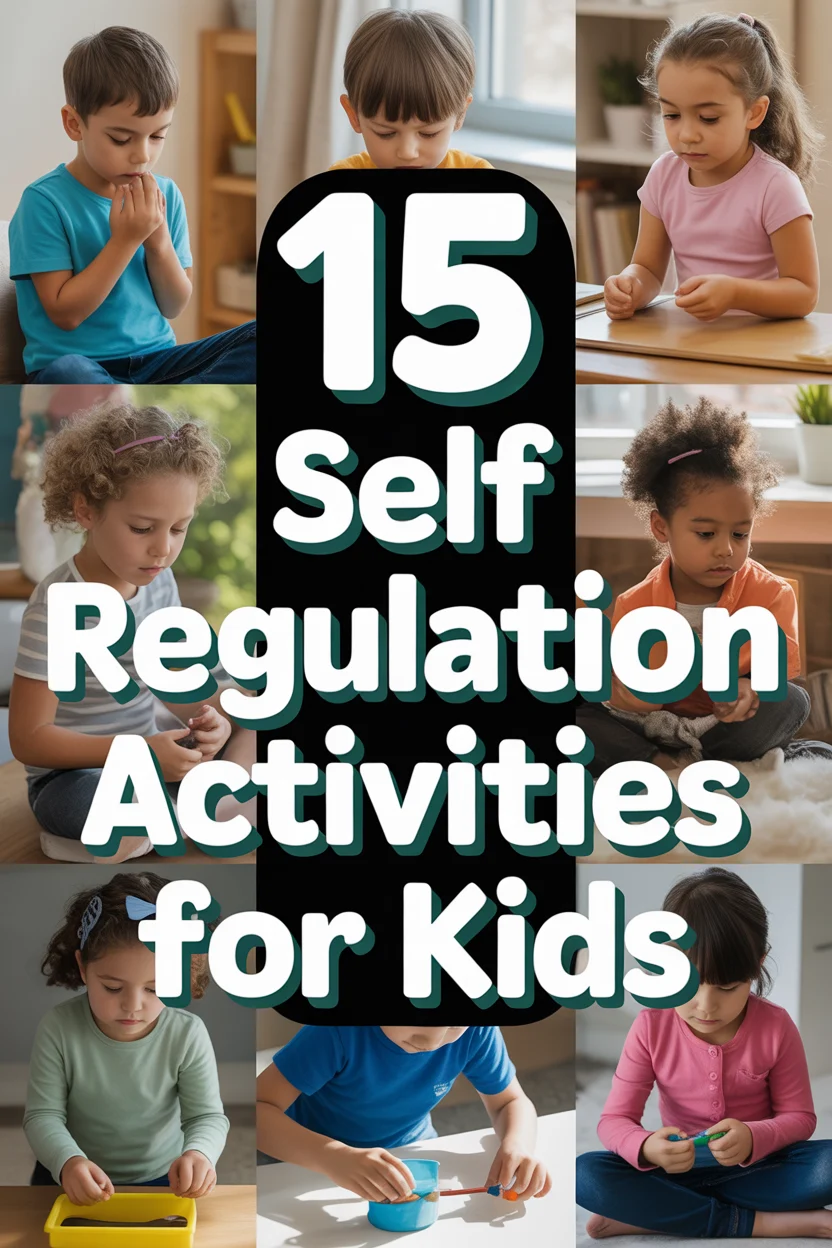
Okay, so your little human is having a moment (or twelve) and you’re wondering if they secretly moonlight as a tiny, highly emotional tornado? Been there, bought the t-shirt. Teaching kids to actually chill is like trying to teach a cat to fetch, but hear me out. Self-regulation isn’t just a fancy buzzword for ‘stop screaming in the grocery store’; it’s about giving them the superpowers to manage their big feelings before they turn into a full-blown meltdown. And guess what? It doesn’t have to be boring. We’re talking fun, low-key ways to help them navigate their inner world without you needing a degree in child psychology or a strong espresso IV drip.
1. Deep Breathing Buddies
This is the OG calm-down trick, but we’re making it fun. Teach them to “smell the flower” (inhale slowly through the nose) and “blow out the candle” (exhale slowly through the mouth). You can even use a pinwheel or real bubbles to make the exhale visible and super satisfying.
It helps kids slow down their heart rate and focus on their breath, which is basically a superpower for stress. Pro tip: Have them put a stuffed animal on their belly and watch it rise and fall with each breath. Instant calm, sometimes even for you.
This works because focusing on a physical action like breathing distracts from overwhelming emotions and promotes a sense of control.
2. Sensory Bins
It’s like therapy in a box, but way less expensive. Fill a bin with rice, pasta, water beads, sand, or even shredded paper, and add small toys, scoops, and cups. Let them dig, pour, and explore.
The tactile input provides a grounding experience, helping overstimulated kids (or under-stimulated ones) find their equilibrium. Pro tip: Add a few drops of calming essential oils (like lavender) to the bin for an extra sensory boost. Just make sure it’s kid-safe!
Sensory play engages multiple senses, which can be incredibly regulating for a busy brain.
3. Calm Down Corner
Every tiny human needs a designated chill zone, even if it’s just a cushion in a quiet corner. Fill it with things that soothe them: soft blankets, pillows, books, fidget toys, or even a small tent.
This gives them a safe, predictable space to retreat to when emotions get big, allowing them to process without external pressure. Pro tip: Let your child help decorate it. Ownership makes them more likely to use it when they need a moment.
Having a personal sanctuary teaches self-awareness and provides a tool for independent emotional regulation.
4. Movement Breaks
Sometimes, kids just need to shake it off, literally. Incorporate short bursts of physical activity throughout the day. Think jumping jacks, dancing to a favorite song, or even a quick run around the yard.
Physical movement helps release pent-up energy and can reset their focus. It’s like hitting the refresh button on their little brains. Pro tip: Create a “movement dice” with different actions on each side (hop, skip, run, crawl) for a fun, spontaneous break.
Burning off excess energy physically can prevent emotional explosions and improve concentration.
5. Emotion Charades
Let’s make feelings fun, not scary. Write down different emotions on slips of paper (happy, sad, angry, surprised, silly) and have your child act them out without speaking. You guess, and then they guess.
This helps them identify and understand emotions in themselves and others, building empathy and emotional vocabulary. Pro tip: Talk about what each emotion feels like in their body. “Where do you feel anger? In your tummy?”
Naming and expressing emotions in a playful way reduces their intensity and makes them less intimidating.
6. Mindful Listening Games
Tune in, tune out the chaos. Sit quietly for a minute or two and ask your child to identify all the sounds they hear, both near and far. “Can you hear the birds? The refrigerator hum? Your own breathing?”
This activity sharpens their focus and brings them into the present moment, a key component of mindfulness. Pro tip: Do this outside in nature for extra calming vibes. The chirping birds are way better than your phone notifications.
Focused listening helps quiet a busy mind and improves concentration, which are vital for self-regulation.
7. Yoga for Littles
Downward dog, upward calm. Simple yoga poses can be incredibly beneficial for kids. Think animal poses (cat-cow, cobra, frog) or nature-inspired ones (tree pose, mountain pose).
Yoga combines physical movement with mindful breathing, promoting flexibility, strength, and a sense of calm. Pro tip: Look up some kid-friendly yoga videos online or use animal flashcards to inspire poses. Make it a game!
Connecting breath with movement helps kids learn to manage their bodies and minds simultaneously.
8. Playdough Power
Squish, squeeze, de-stress. Playdough isn’t just for making questionable cookies; it’s a fantastic tool for sensory regulation. The act of kneading, rolling, and shaping is incredibly calming.
The tactile input helps release tension and provides a safe outlet for big emotions. Plus, it’s great for fine motor skills. Pro tip: Add glitter, essential oils, or even small beads to the playdough for an enhanced sensory experience. Homemade dough is surprisingly easy!
Manipulating playdough offers a hands-on way to channel energy and promote a sense of control.
9. Building Blocks or Legos
Focus and create. Engaging in constructive play with blocks, Legos, or magnetic tiles requires concentration, problem-solving, and patience. It’s a fantastic way to channel energy into something productive.
This type of focused play helps kids practice sustained attention and can be incredibly absorbing, drawing them away from emotional overwhelm. Pro tip: Give them a challenge, like “build the tallest tower” or “create a house for your favorite toy,” to boost engagement.
Structured play fosters concentration and allows children to experience the satisfaction of creation, which is very regulating.
10. Nature Walks
The original chill pill. A simple walk outside, even if it’s just around the block, can work wonders. Encourage them to notice things: the color of the leaves, the texture of a tree bark, the smell of fresh air.
Being in nature has a proven calming effect, reducing stress and improving mood. It’s a natural reset button. Pro tip: Turn it into a scavenger hunt! Give them a list of things to find (a smooth stone, a feather, a red leaf) to keep them engaged.
Nature provides a rich, yet calming, sensory environment that helps regulate the nervous system.
11. Story Time with a Twist
Empathy building, one tale at a time. Read books that feature characters experiencing and managing big emotions. Afterward, talk about how the characters felt and what they did to cope.
This helps kids develop empathy and provides examples of healthy emotional responses. It’s like a sneak peek into someone else’s emotional toolkit. Pro tip: Ask open-ended questions like, “What would you have done if you were [character’s name]?”
Stories offer a safe way to explore complex emotions and learn coping strategies from relatable characters.
12. Drawing or Art Journaling
Express yourself, Picasso style. Provide paper, crayons, markers, or paints and encourage them to draw how they feel. No judgment, just expression.
Art offers a non-verbal outlet for emotions, especially for kids who struggle to articulate their feelings with words. It’s wonderfully cathartic. Pro tip: Give them a special “feelings journal” where they can draw their emotions whenever they need to. It makes it feel important.
Creative expression allows children to externalize and process their internal experiences, leading to emotional release.
13. Heavy Work Activities
Pushing, pulling, calming. These are activities that involve pushing or pulling against resistance, which provides deep proprioceptive input. Think carrying groceries, pushing a laundry basket, or even helping move furniture (if it’s safe!).
This type of sensory input is incredibly organizing and calming for many children, helping them feel more grounded and in control. Pro tip: Have them “help” you push a vacuum cleaner or pull a wagon full of toys. They feel helpful and get regulated!
Heavy work provides essential sensory feedback that helps the brain organize itself and calm the body.
14. Bubble Blowing
Simple, effective, magical. Seriously, bubbles are underrated. The act of blowing them requires controlled exhales, similar to deep breathing exercises, but with the added visual fun.
It’s a naturally soothing activity that encourages deep breaths and focused attention. Plus, who doesn’t love chasing bubbles? Pro tip: Make your own bubble solution for extra fun (dish soap + water + a little glycerin). It’s surprisingly easy!
The rhythmic action and visual tracking of bubbles naturally promote calm and focused breathing.
15. Music and Movement
Dance it out. Put on some calming classical music, upbeat pop, or even some silly kid songs and just let them move. Encourage free-form dancing, swaying, or even just tapping their feet.
Music has a powerful effect on mood and can be a great way to release energy or shift emotional states. Movement helps process those feelings physically. Pro tip: Create a playlist for different moods: “Calm Down Tunes,” “Energy Boosters,” “Silly Dance Party.”
Music and movement provide an accessible and enjoyable way for children to express emotions and regulate their energy levels.
🧩 The Toddler Sanity & Learning Kit
Toddlers are tiny tornados. Instead of turning on the iPad in a moment of desperation, these 5 open-ended toys and clever tools foster independent, screen-free play while simultaneously saving your house from milk spills and crayon disasters.
🧱 Magna-Tiles 100-Piece Building Set
The undeniable king of open-ended play. It is the one single toy that a 2-year-old and a 10-year-old will both happily play with for an hour straight. They develop spatial reasoning, math skills, and independent focus—worth absolutely every penny.
🥛 Munchkin Miracle 360 Trainer Cups
Stop wiping up milk puddles. These genius, dentist-recommended cups allow kids to drink from anywhere around the rim like a real glass, but they instantly seal themselves the second the child stops drinking—even if they drop it on the floor.
🎧 Yoto Mini Kids Audio Player
The ultimate distraction for car rides or quiet time without the guilt of handing over a glowing screen. Kids control it completely by inserting physical cards to play audiobooks, music, and educational podcasts completely independently.
🧹 Melissa & Doug Wooden Cleaning Set
Toddlers desperately want to do exactly what you do. This kid-sized, highly durable wooden sweeping and mopping set redirects their chaotic energy into productive, confidence-building life skills while you actually get the real cleaning done in peace.
🎒 Montessori Travel Busy Board
The secret to surviving restaurants and airplanes with a two-year-old. Packed with buckles, zippers, shoelaces, and snaps, this soft, lightweight 'briefcase' develops critical fine-motor skills and keeps busy little hands occupied for surprisingly long stretches.
Conclusion
See? Not so scary, right? Helping our kiddos master their inner monologue (and stop throwing their socks at the wall) is a long game, but totally worth it. These little tools aren’t just for avoiding public tantrums; they’re building blocks for resilient, happy, self-aware humans. So go forth, embrace the calm, and maybe even try a few of these yourself. You’re welcome.