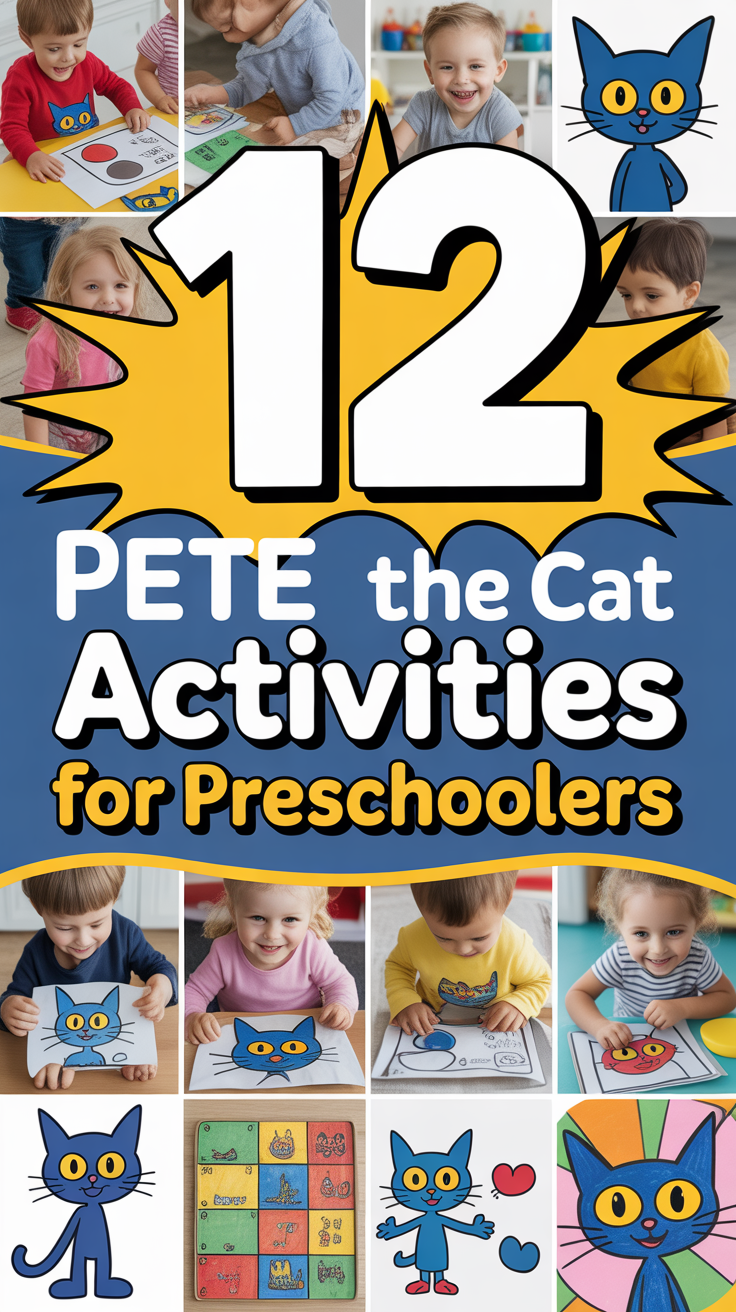
🎸 12 Pete The Cat Activities For Preschoolers
Alright, cool cats and kittens, let’s get real for a sec. If you’re not riding the Pete the Cat wave, what are you even doing with your preschool crew? This groovy feline is basically the patron saint of “it’s all good,” and honestly, who doesn’t need a little more of that vibe in their day? Forget the drama, we’re diving headfirst into some seriously fun activities that’ll have your tiny humans learning, laughing, and probably asking for more psychedelic shoes.
So, ditch the boring, because Pete’s about to make everything super cool. Grab your glitter, your good mood, and maybe a pair of imaginary magic sunglasses, because we’re about to make learning an absolute blast. No frowns allowed, just good times and maybe a little rock ‘n’ roll.
1. Pete’s Groovy Button Count
Who knew counting buttons could be so utterly captivating? Grab a bunch of buttons – the more colorful, the better – and let your little ones sort, count, and make patterns. It’s like a tiny math party, but with less cake and more fine motor skill development.
Pro tip: Have them count out exactly “four groovy buttons” just like Pete. It makes the story come alive, and honestly, it’s pretty adorable to watch them concentrate. Plus, sorting buttons by color or size? Genius for early classification skills.
2. Rockin’ Shoe Color Sort
Pete’s shoes are iconic, right? Let’s turn that fashion statement into a learning moment. Cut out a bunch of shoe shapes from different colored construction paper and have your preschoolers match them up, or sort them into piles by color.
This activity is a fantastic way to reinforce color recognition and get those little hands busy. You could even draw different patterns on the shoes for an extra layer of challenge. They’ll be color-matching pros in no time, probably even better than Pete himself.
3. Pete’s Four Groovy Buttons Craft
Time for some creative chaos! Provide blue paper for Pete’s shirt and let the kids glue on four “buttons.” Use anything you can find: actual buttons, bottle caps, pom-poms, or even painted pasta. The messier, the better, right?
This isn’t just about glue and glitter; it’s about sequencing and number recognition in action. Plus, they get to make their very own Pete masterpiece. It really drives home the story’s core message about things coming and going, but it’s all good.
4. Pete The Cat Story Time & Sing-Along
Okay, this one’s a no-brainer. Read a Pete the Cat book (or three!), but don’t just read it – perform it! Encourage the kids to sing along with the catchy tunes and make the sounds. Pete’s songs are basically earworms for preschoolers.
This activity boosts literacy skills, listening comprehension, and musicality. Seriously, try not to tap your foot; I dare you. It’s a fantastic way to engage even the wiggliest of listeners.
5. Pete’s Cool Cat Sensory Bin
Fill a bin with blue rice or pasta (dyed with food coloring, obviously), add some plastic fish, seashells, and maybe a small Pete the Cat figure. Let them dig, scoop, and explore this underwater wonderland.
Sensory bins are pure magic for imaginative play and tactile exploration. It’s calming, engaging, and lets them create their own Pete adventures. Just be ready for rice to appear in unexpected places later.
6. Pete’s Magic Sunglasses Craft
Remember Pete’s magic sunglasses that help him see the good in everything? Let’s make some! Cut out sunglass frames from cardstock and let the kids decorate them. For the lenses, use colored cellophane or even just draw on them.
This craft is perfect for encouraging creativity and positive thinking. When they put them on, ask them what good things they can see. It’s a cheeky way to teach emotional regulation, Pete-style.
7. Pete’s Groovy Guitar Creation
Every cool cat needs a guitar! Grab an empty tissue box or a sturdy piece of cardboard, some rubber bands, and let the kids decorate their very own Pete-inspired instrument. Glitter is mandatory, obviously.
This activity encourages artistic expression and imaginative musical play. They’ll be strumming along to Pete’s songs in no time, probably creating their own rock anthems. Just embrace the noise.
8. Pete’s Food Adventures Snack Time
Pete tries new foods, and so can your preschoolers! Prepare a variety of healthy snacks – colorful fruits, veggies, maybe some cheese. Encourage them to try each one, just like Pete is always open to new experiences.
This is a fun way to promote healthy eating habits and adventurous palates. Talk about the colors and textures of the food. It’s all good, even if they don’t love everything on the first try.
9. Pete The Cat Movement Game
Get those wiggles out! Play some upbeat music and call out actions inspired by Pete: “Pete walks with his cool shoes,” “Pete loses a button,” “Pete puts on his magic sunglasses.” Encourage big, exaggerated movements.
This game is fantastic for gross motor skills, listening, and following directions. It’s basically a Pete the Cat dance party, and who doesn’t love that? Just try not to bust out your own groovy moves too much.
10. Pete’s Beach Day Playdough Fun
Set up a playdough station with blue and yellow playdough to represent the ocean and sand. Add some small shells, plastic fish, or even little Pete figures. Let them create their own beach scenes.
Playdough is always a winner for fine motor development and imaginative storytelling. They can build sandcastles for Pete or make waves for him to surf. It’s a chill way to spend some creative time.
11. Pete’s School Bus Ride Role Play
Remember Pete’s first day of school? Set up a “school bus” using chairs in a row or a large cardboard box. Assign roles – driver, passengers – and act out the journey to school.
This activity is brilliant for fostering social skills, empathy, and dramatic play. They learn about routines and interacting with others, all while having a blast. Just make sure someone sings “The Wheels on the Bus,” Pete-style.
12. Pete’s “It’s All Good” Emotion Cards
Create simple cards with different emotions (happy, sad, surprised, angry) and discuss how Pete might feel in various situations from his books. Ask the kids how they would feel and what they would do.
This helps preschoolers develop emotional literacy and empathy. It’s a gentle way to talk about feelings and remind them that even when things don’t go perfectly, “it’s all good.” Pete truly is a wise cat.
Conclusion
So there you have it, folks – twelve totally groovy ways to bring Pete the Cat’s chill vibes and valuable lessons into your preschooler’s world. From counting buttons to rocking out on homemade guitars, these activities aren’t just fun; they’re secretly building those crucial early learning skills.
Go ahead, embrace the mess, sing loud, and remember Pete’s golden rule: no matter what, it’s all good. Your little learners (and probably you, too) will be feeling pretty groovy about it. Now go forth and spread the Pete love!