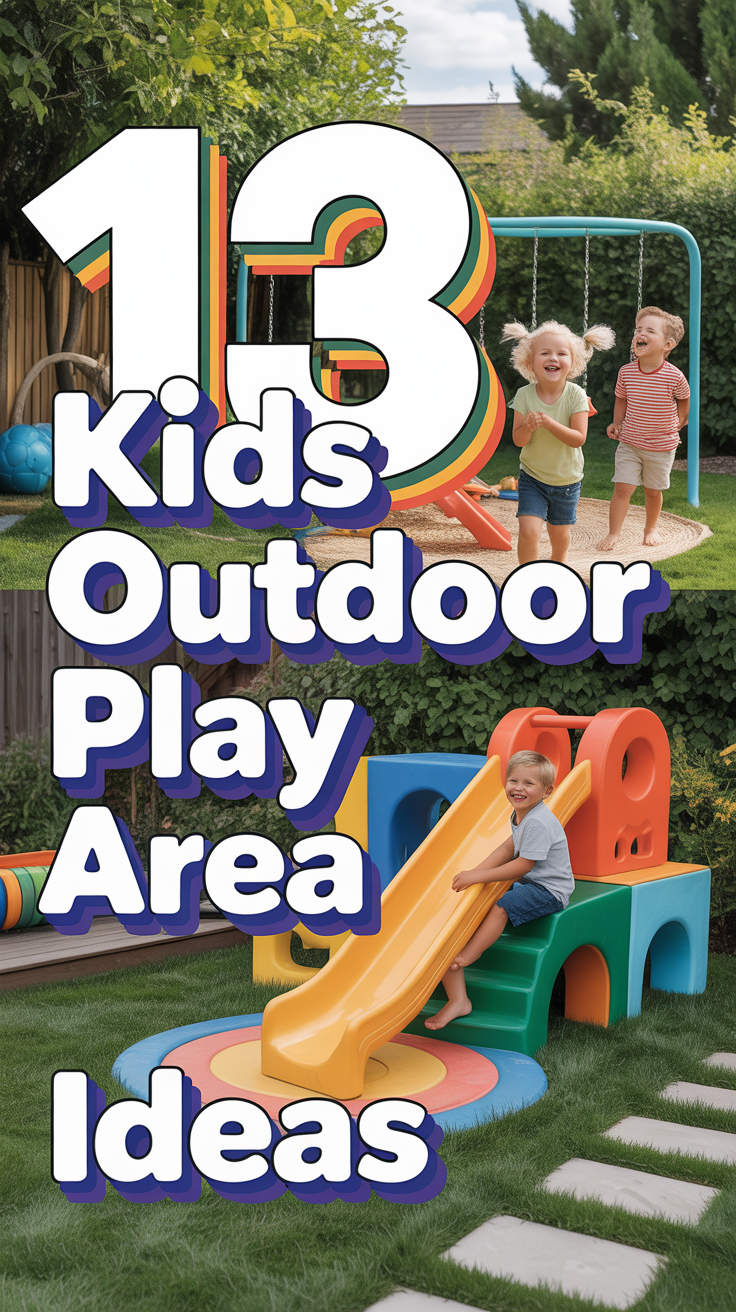
🤸♀️ 13 Kids Outdoor Play Area Ideas
Alright, parents, guardians, and anyone who’s ever tripped over a rogue toy in the living room – gather ’round. We all know the struggle is real when it comes to keeping the little humans entertained, especially when the weather is actually cooperating. Forget the endless screen time debates; we’re talking fresh air, muddy knees, and maybe even a few moments of blissful silence for you. Let’s dive into some seriously cool ways to transform your backyard into the ultimate kid-magnet, because honestly, who needs a clean house when you have a happy kid?
1. Natural Explorer Zone
Ditch the plastic, embrace the wild. Create an area with logs for climbing, big rocks for scrambling, and maybe even a small patch of native plants. It encourages imaginative play and sensory exploration without screaming “playground.” Bury a few “treasures” (smooth stones, cool leaves) for them to discover on their archaeological digs. Watch them become tiny adventurers, all within the safety of your yard.
2. DIY Mud Kitchen
Who needs a Michelin star when you have mud pies? Grab an old pallet, some spare planks, and a few discarded pots and pans. Kids adore mixing, stirring, and concocting gourmet mud dishes. It’s messy, yes, but oh-so-developmentally beneficial for sensory play and creativity. Add a small water source nearby (a bucket and a ladle work wonders) to really get those culinary juices flowing. Prepare for the most delicious (and dirtiest) imaginary meals ever served.
3. Giant Chalkboard Wall
Unleash their inner Picasso on a grand scale. Mount a large piece of plywood painted with chalkboard paint onto a fence or shed. Provide big chunky chalk and let them draw, write, and doodle to their heart’s content. It’s endlessly reusable and keeps artwork off your actual walls. Make sure it’s at a height accessible for all the tiny artists in your crew. A canvas that magically erases itself (with a little water) – what’s not to love?
4. Water Play Station
Beat the heat with some serious splash action. This isn’t just a sprinkler; think a designated area with a water table, buckets, funnels, and maybe even a small pump. It’s perfect for exploring physics, cause and effect, and just generally getting gloriously soaked. Keep a bin of old plastic toys and measuring cups specifically for water play. Hours of refreshing entertainment, guaranteed to tire them out for naptime.
5. Fairy Garden or Gnome Village
Spark magic and wonder in a miniature world. Dedicate a small corner of your garden to a whimsical land of fairies, gnomes, or even dinosaurs. Use small plants, pebbles, moss, and tiny figurines. It encourages delicate play, storytelling, and a healthy dose of imagination. Let the kids help collect natural elements like acorns and small twigs to furnish their tiny abodes. A secret world just for them, where anything is possible.
6. DIY Obstacle Course
Get those wiggles out with a custom-built adventure. Use what you have: old tires to step through, a plank to balance on, hula hoops to jump in, or even a tunnel made from cardboard boxes. Change it up regularly to keep things fresh and challenging. Time them with a stopwatch to add a competitive (but friendly) edge. A fantastic way to build gross motor skills and burn off excess energy.
7. Nature Art Station
Creativity meets the great outdoors. Set up a small table with paper, glue, and a collection bin. Encourage kids to gather leaves, petals, twigs, and stones from the yard to create their own natural masterpieces. It’s a lovely way to connect with their environment. Provide magnifying glasses to help them discover intricate patterns in nature’s bounty. Who knew sticks and stones could be so artistic?
8. Sandpit Oasis
Bring the beach vibes right to your backyard. A classic for a reason, a decent-sized sandpit offers endless opportunities for digging, building, and imaginative play. Just make sure it has a cover to keep out critters (and neighborhood cats). Hide some “dinosaur bones” (plastic animal skeletons) for an exciting paleontological dig. Sand play is a sensory delight and a timeless favorite.
9. Music Wall or Sound Garden
Make some joyful noise (that isn’t coming from inside). Attach old pots, pans, metal lids, or even PVC pipes to a fence or sturdy frame. Provide wooden spoons or mallets for drumming. It’s a fantastic way to explore sound and rhythm, and trust us, they’ll love being loud outside. Include different materials to create a variety of sounds, from clangs to soft thuds. Your neighbors might not thank you, but your kids definitely will.
10. Reading Nook or Story Tent
A cozy escape for tiny bookworms. Hang a simple tarp or sheet between trees, throw down some comfy cushions, and stock it with a few favorite books. It creates a quiet, inviting space for imaginative play or simply chilling with a good story. Add a string of solar-powered fairy lights for extra ambiance as dusk settles. Sometimes, even outdoor play calls for a moment of calm.
11. Sensory Garden Path
Engage all their senses with every step. Design a path using different textures: smooth pebbles, rough bark chips, soft grass, and maybe even some fragrant herbs like mint or lavender. It’s a subtle yet powerful way to stimulate sensory development. Encourage them to walk it barefoot (if safe) for the full sensory experience. A journey for their feet and their minds, right in your own yard.
12. Climbing Structure (Safe & Sound)
Reach for the sky, safely. This could be a small rock wall attached to a shed, a low climbing dome, or even a sturdy tree with a few strategically placed climbing holds. Focus on age-appropriate challenges and always ensure proper safety surfacing below. Consider a swing attachment for double the fun and vestibular input. Build strength, coordination, and a serious sense of accomplishment.
13. Garden Patch for Kids
Cultivate green thumbs and healthy habits. Dedicate a small, easy-to-manage plot where kids can plant their own flowers, herbs, or even a few easy-to-grow veggies like cherry tomatoes or radishes. They learn about nature, patience, and the joy of harvesting. Give them their own small set of gardening tools; they love having “grown-up” equipment. From seed to snack, it’s a wonderfully rewarding outdoor activity.
Conclusion
Phew, that’s a lot of awesome, right? Transforming your outdoor space doesn’t have to mean a huge budget or a complete landscaping overhaul. It’s about creating opportunities for exploration, creativity, and good old-fashioned messy fun. So go on, get out there, embrace the dirt, and watch your kids thrive in their very own backyard paradise. You might even find yourself joining in – we won’t tell.