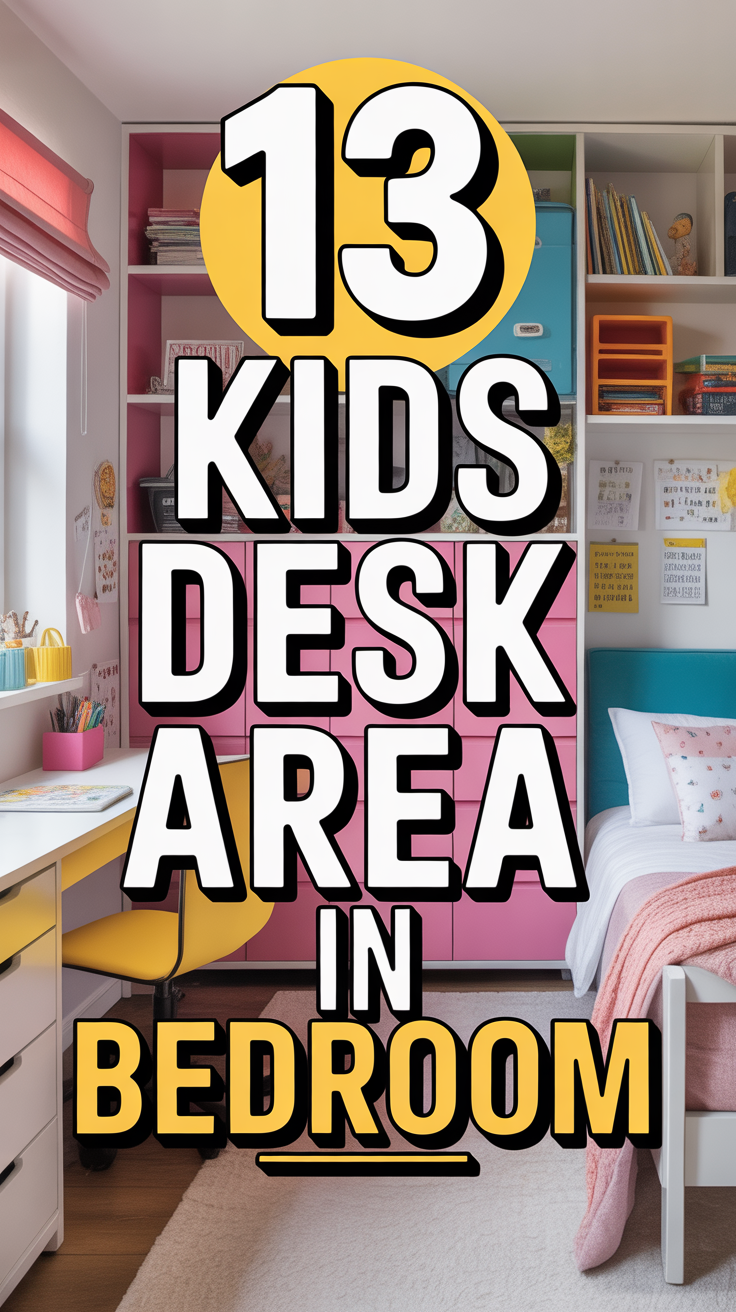
📚 13 Kids Desk Area In Bedroom
Alright, let’s be real. Convincing your little humans to actually sit down and do their homework is already a Herculean task. Adding a chaotic, uninspiring workspace to the mix? That’s just asking for trouble (and maybe a few tears, mostly yours). But fear not, fellow stylish parent! Cramming a functional, fabulous study zone into a kid’s bedroom doesn’t have to feel like a game of Tetris with too many pieces. We’re talking smart solutions that look good and actually get the job done, no matter how tiny that room is. Get ready to transform that forgotten corner into a productivity powerhouse.
1. The Nook Nook Desk
Got a weird alcove or an awkward bump-out in their room? Don’t let that space collect dust bunnies or rogue socks. Embrace it as the perfect spot for a custom-fit desk. It feels super cozy and naturally carves out a designated zone without needing extra walls.
Key points: Measure twice, cut once (or have someone else cut it). A simple floating shelf or a cut-to-size countertop can become an instant desk. Add a few wall shelves above for their textbooks and trophies. Pro tip: Paint the nook a slightly different, calming color to visually separate it from the rest of the bedroom chaos.
This works because it utilizes otherwise dead space, making the room feel larger and more purposeful.
2. Wall-Mounted Wonder
When floor space is rarer than a quiet Saturday morning, look up! A desk that literally hangs on the wall is a game-changer. It gives off major minimalist vibes and keeps the floor clear for important things, like imaginary dragon battles.
Key points: Choose a sturdy wall-mounted desk that folds up when not in use or a fixed one with minimal footprint. Opt for built-in storage drawers if possible. Pro tip: Mount it at the perfect ergonomic height for your child, and consider an adjustable chair to grow with them.
This solution is pure genius for small rooms, offering maximum function with minimum obstruction.
3. Corner Command Center
Corners are often forgotten heroes in small room design. A custom or modular corner desk maximizes surface area without eating up prime real estate along a straight wall. It’s like giving them a power position in their own personal office.
Key points: Look for L-shaped desks or modular units that fit snugly into the corner. This setup provides ample space for a monitor, books, and art supplies. Pro tip: Install a corner shelf system above the desk to keep everything organized and within reach.
It makes the most of an often-underutilized area, creating a spacious feel in a compact footprint.
4. Built-In Brilliance
If you’re feeling a bit handy (or know someone who is), a built-in desk unit can seamlessly integrate into the room’s design. It looks incredibly polished and can incorporate shelving and drawers for a truly custom feel.
Key points: Design it to match existing cabinetry or trim for a cohesive look. Think about combining it with a window seat or a wardrobe. Pro tip: Include a pull-out keyboard tray or a dedicated spot for a charging station to keep the desktop clear.
This option offers unparalleled customization and makes the desk area feel like an intentional part of the room, not an afterthought.
5. Floating Shelf Fantasy
Who says a desk needs bulky legs? A thick, sturdy floating shelf can double as a sleek and modern desk surface. It’s airy, light, and perfect for rooms that need to maintain a sense of openness.
Key points: Ensure the shelf is properly anchored into wall studs for safety and stability. Pair it with a comfortable, legless stool that tucks completely underneath. Pro tip: Use clear acrylic organizers on top to keep pencils and papers tidy without adding visual clutter.
This design is fantastic for creating a minimalist study zone that doesn’t overwhelm the room.
6. The Convertible Cutie
Sometimes you need a desk, sometimes you need a play area. Why not both? A desk that can transform or hide away is the ultimate space-saver for multi-functional rooms.
Key points: Think Murphy desks that fold into a wall cabinet, or desks integrated into a larger furniture piece like a wardrobe. These are perfect for younger kids who only need a desk occasionally. Pro tip: Choose a unit with a smooth, easy-to-operate mechanism that your child can manage independently.
It offers incredible flexibility, making the room adapt to different activities throughout the day.
7. Under-Loft Leverage
If your child has a loft bed, you’ve hit the jackpot for desk space. The area underneath is practically begging to be a study nook. It’s like having a built-in room within a room.
Key points: Maximize the height with tall shelving or a pegboard. Ensure good lighting with a desk lamp or strip lighting installed under the bed frame. Pro tip: Paint the back wall of the desk area a bold color to make it feel like a distinct zone, even within the loft structure.
This design cleverly uses vertical space, freeing up the rest of the bedroom floor for play.
8. Window Seat Workspace
Turn that sunny window nook into a bright, inspiring study spot. A long, shallow desk under a window not only provides natural light but also offers a lovely view (unless their view is your neighbor’s fence, in which case, draw the blinds).
Key points: Ensure the desk height is comfortable for writing and computer use. Add a cozy cushion to the window seat for reading breaks. Pro tip: Install blackout blinds or curtains for screen glare control and afternoon naps.
It brings in natural light, which is scientifically proven to boost mood and concentration (probably).
9. Minimalist Magic
Sometimes less is truly more. A super simple, uncluttered desk area can be incredibly effective, especially for kids who get easily distracted. Think clean lines, neutral colors, and only the bare essentials.
Key points: Choose a slim desk with minimal drawers. Use wall-mounted organizers for pencils and papers instead of desktop clutter. Pro tip: Opt for a single, high-quality desk lamp that provides ample task lighting without taking up much space.
This approach reduces visual noise, helping your child focus on their tasks rather than their toy collection.
10. Vertical Victory
When width is a luxury, go vertical! A tall, narrow desk unit that incorporates shelving above and below can provide ample storage and a compact work surface. It’s like a skyscraper for their school supplies.
Key points: Look for desk units with integrated hutch-style shelving. Use baskets and bins to keep items organized on the shelves. Pro tip: Add a small bulletin board to the wall above the desk for important notes and inspiring artwork.
It makes the most of limited wall space, perfect for narrow rooms or tight corners.
11. Pegboard Powerhouse
A pegboard wall above a simple desk is a functional and super trendy storage solution. It’s endlessly customizable, allowing your child to arrange hooks, shelves, and baskets to suit their ever-changing needs (and obsessions).
Key points: Install a large pegboard section above a basic desk. Provide a variety of accessories like cups for pens, small shelves for books, and hooks for headphones. Pro tip: Paint the pegboard a fun, bright color to add a pop of personality to the study zone.
This is a dynamic solution that keeps everything visible and accessible, encouraging organization.
12. Dual-Purpose Dynamo
Can that dresser or bookshelf pull double duty? Absolutely! A long, low dresser can serve as a desk surface with storage below, or a sturdy bookcase can have a pull-out desk integrated into its design.
Key points: Ensure the surface height is appropriate for desk work. Clear off the top of the dresser when it’s time to hit the books. Pro tip: Use decorative boxes or bins within the dresser drawers to separate clothing from school supplies.
This smart hack maximizes existing furniture, reducing the need for additional pieces in an already full room.
13. The Colorful Creative Hub
Who says a desk area has to be boring? Inject some serious personality with bold colors, fun patterns, and quirky accessories. This is especially great for younger kids or budding artists who thrive in vibrant spaces.
Key points: Use a bright desk chair, colorful storage bins, or a patterned rug under the desk. Let your child choose a few fun elements. Pro tip: Stick to a cohesive color palette (e.g., two main colors plus an accent) to keep it playful without being overwhelming.
A visually stimulating space can make homework feel less like a chore and more like an adventure.
Conclusion
So, there you have it! Creating a killer kids’ desk area in their bedroom isn’t about having a massive room; it’s about getting clever with your space and making it work for their unique needs (and your sanity). Whether you’re going for minimalist zen or a vibrant creative explosion, remember that a dedicated, inspiring spot can make a world of difference in their study habits. Now go forth and conquer those homework battles with a stylish new arsenal!