👶 How To Swaddle A Baby Step By Step
🍼 The Newborn Survival Kit
The first six months of parenthood are a blur of exhaustion. Stop trying to tough it out—these are the 5 absolute life-saving baby essentials that experienced moms literally refuse to live without. They will instantly solve your biggest sleeping, feeding, and soothing struggles.
🌙 Hatch Rest Baby Sound Machine
The ultimate sleep hack. You can entirely control this white noise machine and dimmable nightlight from your smartphone, meaning you never have to accidentally wake the baby while sneaking back out of the nursery after a 3 AM feeding.
🤧 FridaBaby NoseFrida Snotsucker
It sounds incredibly gross until your baby has their first cold and literally cannot breathe to sleep. Throw away those useless hospital bulb syringes—this doctor-invented tool safely clears congestion in seconds, and yes, the filter absolutely prevents any germs from reaching you.
💧 Haakaa Silicone Manual Breast Pump
Every breastfeeding mom's best kept secret. Simply suction this cheap, cord-free silicone cup to the opposite breast while you nurse to effortlessly catch every drop of liquid gold letdown that would otherwise leak onto your shirt and be totally wasted.
🧴 Aquaphor Baby Healing Ointment
Forget buying ten different expensive, highly-fragranced creams. This is the only ointment you need. It miraculously cures severe diaper rash overnight, heals cracked nursing nipples, soothes baby eczema, and aggressively protects delicate skin from harsh winter wind.
☁️ Burt's Bees 100% Organic Burp Cloths
You will go through dozens of these a day, so do not cheap out on thin fabric. These thick, ultra-absorbent organic cotton cloths actually catch massive spit-ups before they ruin your only clean outfit, while remaining incredibly soft against your newborn's face.
Oh, mama heart, there’s nothing quite like the magic of a perfectly swaddled baby.
That feeling when your sweet little one drifts off to sleep, snug and secure, is pure bliss.
I remember those early days with my first, fumbling with blankets, wondering if I was doing it right, but I promise you, it’s a skill you’ll master in no time.

Quick Overview
Learning to swaddle can be a game-changer for newborn sleep, offering comfort and helping to calm the startle reflex.
This guide will walk you through creating that perfect cozy cocoon for your baby.
- Time needed: 5-10 minutes (initially), 2 minutes (once you’re a pro!)
- Difficulty: Beginner
- What you’ll need: A flat surface, a square swaddle blanket (muslin or cotton work beautifully), and your precious baby.
Step-by-Step Instructions
Step 1: Choose Your Swaddle Blanket Wisely
The right blanket makes all the difference for a comfy swaddle. Look for a lightweight, breathable material like muslin or a soft cotton blend.
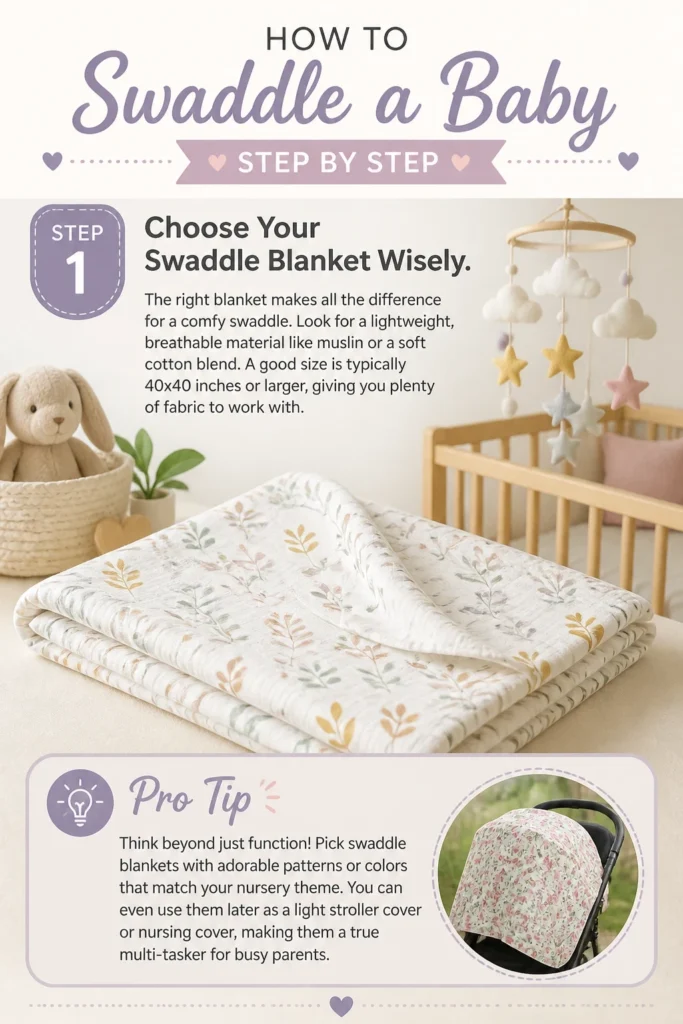
A good size is typically 40×40 inches or larger, giving you plenty of fabric to work with.
Pro Tip: Think beyond just function! Pick swaddle blankets with adorable patterns or colors that match your nursery theme. You can even use them later as a light stroller cover or nursing cover, making them a true multi-tasker for busy parents. For a fun, doable “Pinterest-worthy” idea, choose a blanket that complements a simple DIY mobile made from felt clouds and stars above the crib.
Step 2: Lay Out Your Swaddle Blanket
Find a safe, flat surface like a crib mattress, changing table, or even a clean rug on the floor.
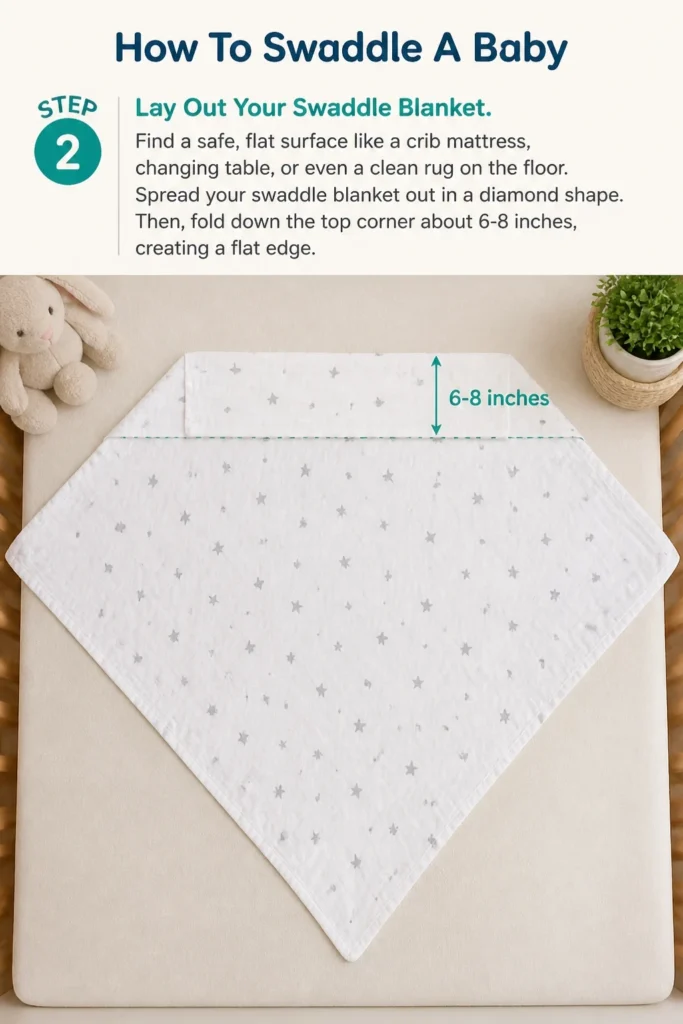
Spread your swaddle blanket out in a diamond shape.
Then, fold down the top corner about 6-8 inches, creating a flat edge.
Step 3: Position Your Baby Gently
Carefully lay your baby on their back in the center of the blanket.
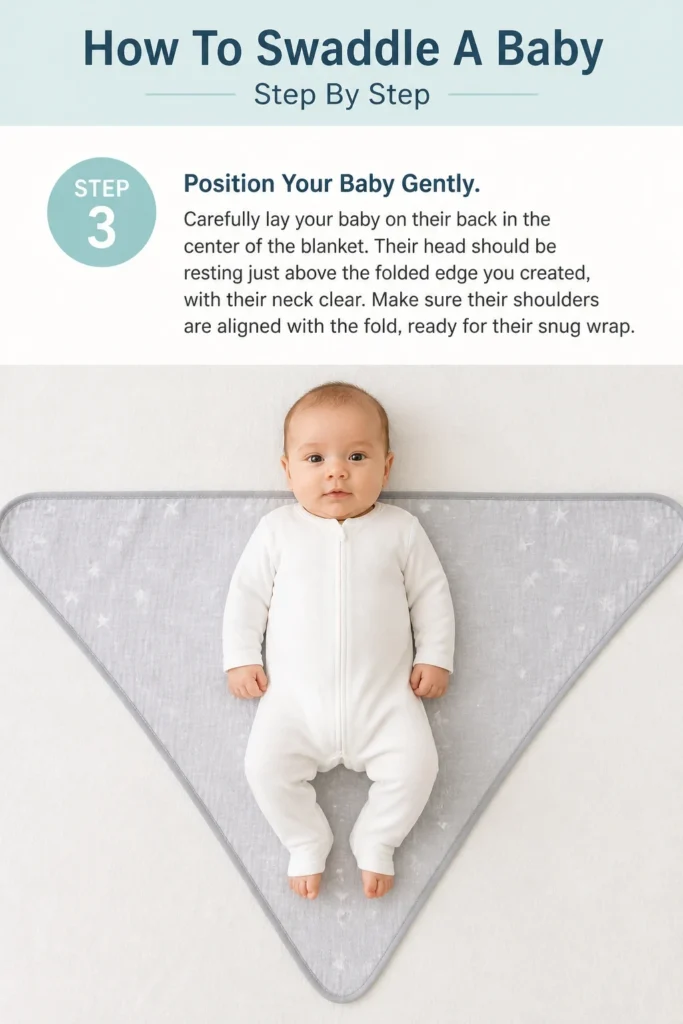
Their head should be resting just above the folded edge you created, with their neck clear.
Make sure their shoulders are aligned with the fold, ready for their snug wrap.
Step 4: Tuck the First Arm
Hold your baby’s left arm gently at their side, keeping it slightly bent and resting comfortably on their tummy or chest.
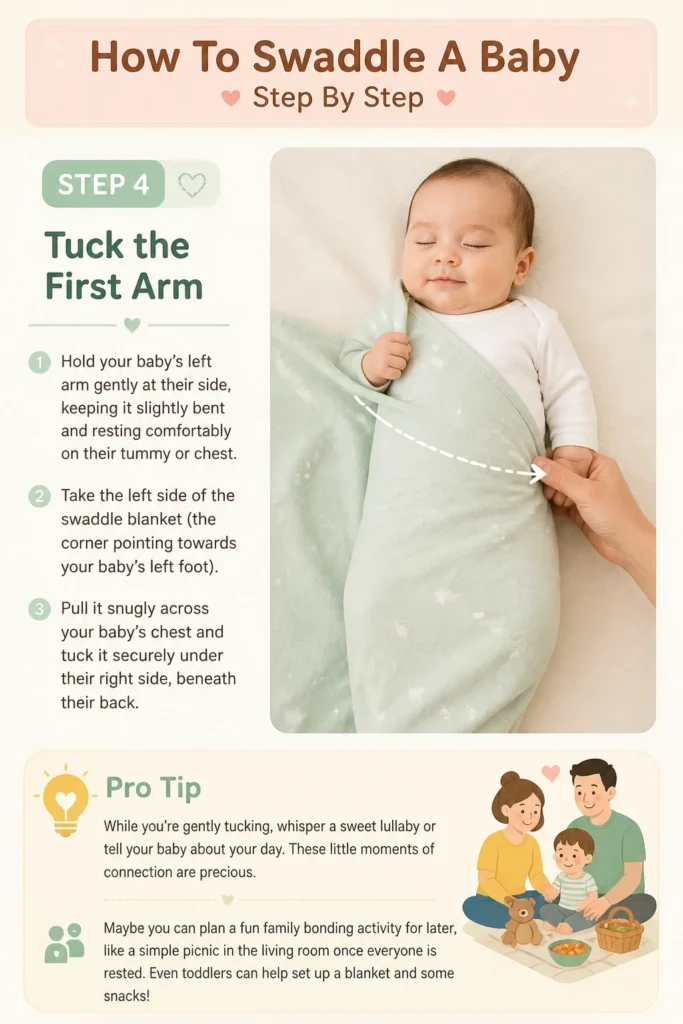
Take the left side of the swaddle blanket (the corner pointing towards your baby’s left foot).
Pull it snugly across your baby’s chest and tuck it securely under their right side, beneath their back.
Pro Tip: While you’re gently tucking, whisper a sweet lullaby or tell your baby about your day. These little moments of connection are precious. Maybe you can plan a fun “family bonding” activity for later, like a simple picnic in the living room once everyone is rested. Even toddlers can help set up a blanket and some snacks!
Step 5: Fold Up the Bottom
Take the bottom corner of the blanket (the one pointing towards your baby’s feet).
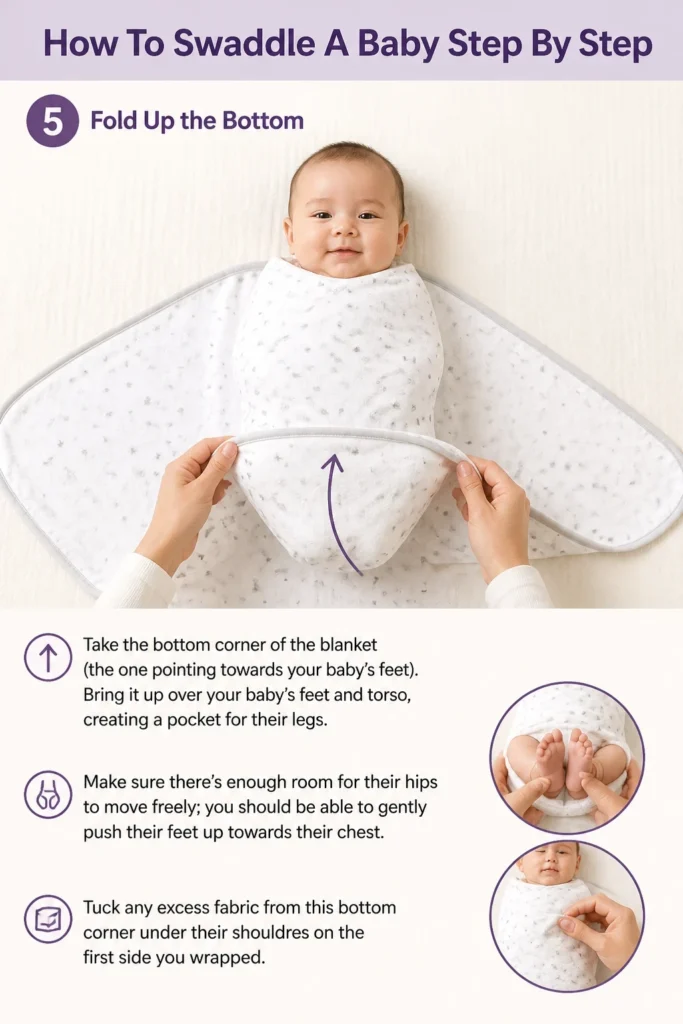
Bring it up over your baby’s feet and torso, creating a pocket for their legs.
Make sure there’s enough room for their hips to move freely; you should be able to gently push their feet up towards their chest.
Tuck any excess fabric from this bottom corner under their shoulders on the first side you wrapped.
Step 6: Wrap the Second Arm
Now, hold your baby’s right arm gently at their side, mirroring the first arm.
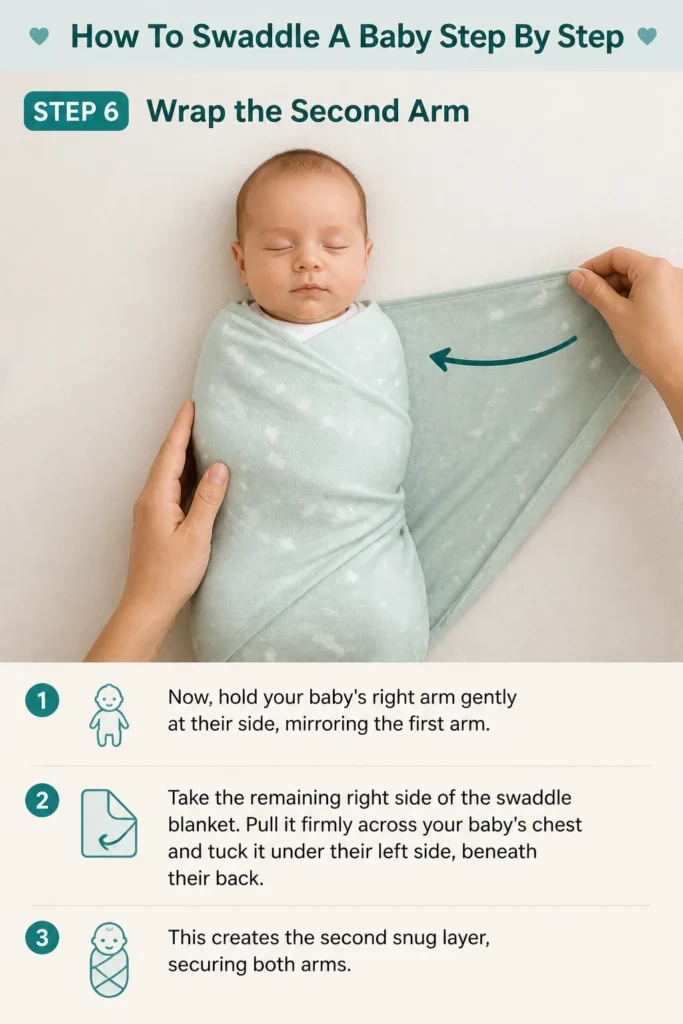
Take the remaining right side of the swaddle blanket.
Pull it firmly across your baby’s chest and tuck it under their left side, beneath their back.
This creates the second snug layer, securing both arms.
Step 7: Check for Snugness and Safety
Once both sides are wrapped, ensure the swaddle is snug but not too tight.
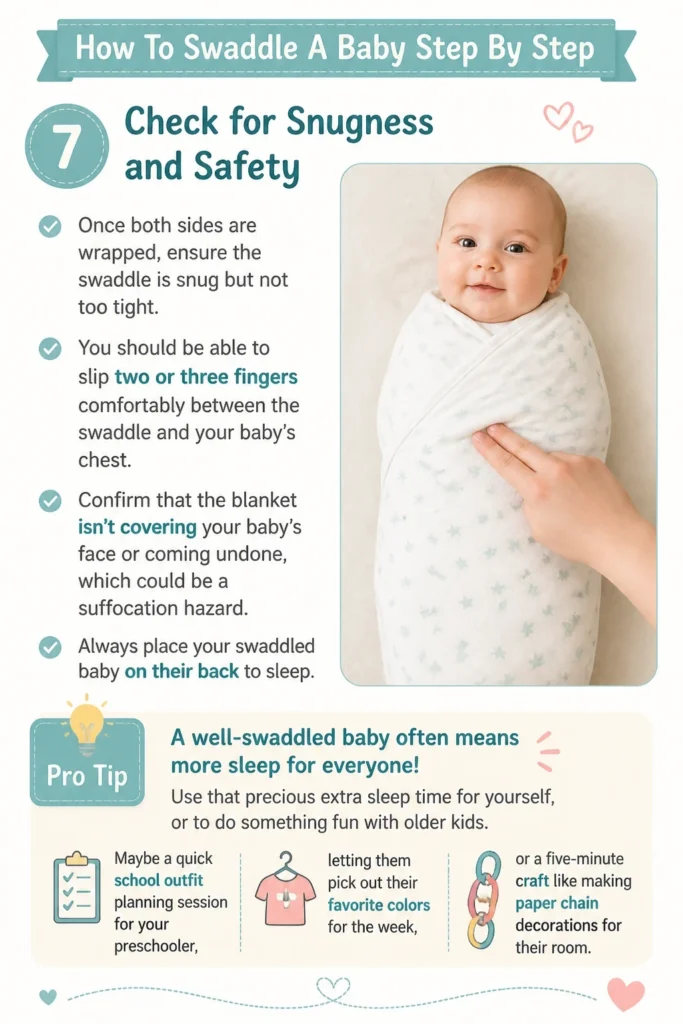
You should be able to slip two or three fingers comfortably between the swaddle and your baby’s chest.
Confirm that the blanket isn’t covering your baby’s face or coming undone, which could be a suffocation hazard.
Always place your swaddled baby on their back to sleep.
Pro Tip: A well-swaddled baby often means more sleep for everyone! Use that precious extra sleep time for yourself, or to do something fun with older kids. Maybe a quick “school outfit” planning session for your preschooler, letting them pick out their favorite colors for the week, or a five-minute craft like making paper chain decorations for their room.
Common Mistakes to Avoid
Swaddling Too Loosely
A loose swaddle can quickly unravel, which isn’t just ineffective for calming the startle reflex, it can also be dangerous.
If the blanket comes loose, it could cover your baby’s face and pose a suffocation risk.
Always ensure the swaddle is snug around the chest and arms, preventing the blanket from riding up.
Swaddling Too Tightly Around Hips
While a snug upper body is good, you must allow for proper hip development. Swaddling with legs straight and tightly bound can lead to hip dysplasia.
Make sure your baby’s legs and hips can bend up and out, like a frog’s legs, allowing for natural movement.
The bottom of the swaddle should be loose enough to let them kick and move their hips freely.
Covering Baby’s Face or Head
Never let the swaddle blanket ride up near your baby’s face or cover their head. This increases the risk of overheating and suffocation.
Always position the blanket so that your baby’s head is completely clear and their airway is unobstructed.
Their chin should not be tucked into their chest.
Continuing Swaddling Once Baby Shows Signs of Rolling
Once your baby starts to show signs of rolling over (usually around 2-4 months), it’s time to stop swaddling.
A swaddled baby who rolls onto their tummy may not be able to roll back, increasing the risk of SIDS.
Transition to a sleep sack with arms free at the first sign of rolling, which can be a fun “next step” in their sleep journey, like preparing for a new, exciting “sleepover” in their big kid bed someday.
Troubleshooting
My Baby Hates Being Swaddled!
Some babies simply don’t enjoy the feeling of being confined, and that’s totally okay.
Try different swaddling techniques, like leaving one arm out, or experiment with different types of swaddles, such as a “velcro” swaddle that offers a consistent snugness without the fuss of folding.
If your baby consistently fights the swaddle, it might be a sign they’re ready to transition to a sleep sack sooner than you expected, just like some toddlers prefer finger painting over crayons – everyone has their own style!
My Baby Keeps Breaking Out of the Swaddle
This is a common “superpower” for many strong babies!
It usually means your swaddle isn’t quite snug enough around their arms and chest, or you might need a larger blanket.
Double-check that you’re tucking the fabric firmly under their back on both sides.
Consider trying a specialized “velcro” swaddle designed to be escape-proof for those Houdini babies.
My Baby Seems Too Hot in the Swaddle
Overheating is a concern for babies, so always dress your baby appropriately underneath the swaddle.
A good rule of thumb is one more layer than you would wear, but if they’re swaddled, they likely only need a light onesie or just a diaper underneath.
Feel their neck or chest (not their hands or feet) to check their temperature; if they’re sweaty or clammy, they’re too warm.
Choose breathable fabrics like muslin for the swaddle itself, and ensure the room temperature is comfortable, around 68-72°F (20-22°C).
Key Takeaways
- Snug, Not Tight: Ensure the swaddle is secure around the chest but allows for free hip movement.
- Back to Sleep: Always place your swaddled baby on their back for every sleep.
- Clear Airway: Never cover your baby’s face or head with the swaddle blanket.
- Breathable Fabrics: Choose lightweight materials to prevent overheating.
- Know When to Stop: Discontinue swaddling as soon as your baby shows signs of rolling over.
- Practice Makes Perfect: Don’t get discouraged if it takes a few tries; you’ll soon be a swaddling expert!
Frequently Asked Questions
When should I stop swaddling my baby?
The general recommendation is to stop swaddling when your baby shows any signs of starting to roll over, which typically happens around 2 to 4 months of age.
This is a crucial safety measure, as a baby who rolls onto their tummy while swaddled may not be able to roll back, increasing the risk of SIDS.
What if my baby dislikes being swaddled?
Not all babies love being swaddled, and that’s perfectly normal. If your baby consistently fusses or fights against the swaddle, try different techniques, like leaving one arm out, or explore alternatives like sleep sacks that keep them warm without restricting their arms.
Listen to your baby’s cues; they’ll tell you what they prefer!
Can I swaddle my baby for naps as well as nighttime sleep?
Yes, if your baby benefits from swaddling, you can use it for both naps and nighttime sleep.
The same safety rules apply: always place them on their back, ensure the swaddle is snug but not too tight around the hips, and stop once they show signs of rolling.
What’s the best type of swaddle blanket to use?
The “best” type often comes down to personal preference and your baby’s comfort. Muslin blankets are popular for their breathability and versatility, while cotton flannel offers a bit more warmth.
Many parents also love specialized “velcro” or “zip-up” swaddles for their ease of use and consistent snugness, especially during those sleepy middle-of-the-night changes.
Our Top Recommended Finds
- Large Muslin Swaddle Blankets: These are incredibly versatile, breathable, and come in so many beautiful patterns. Perfect for a traditional swaddle and useful for so much more.
- Velcro Swaddle Wraps: For those nights when you just need a quick, secure swaddle without all the folding, these are a lifesaver. They’re fantastic for tired parents and strong babies alike.
- Wearable Sleep Sacks (arms free): Once your baby starts rolling or outgrows swaddling, a sleep sack is the perfect safe transition. It keeps them warm without loose blankets and offers peace of mind.
Embrace the Snuggles and Beyond
You’ve just taken a big step in mastering the art of swaddling, mama!
Feeling confident in this skill can truly make those newborn days a little bit smoother and a lot more peaceful for everyone.
Remember, every baby is different, and finding what works best for your little one is part of the beautiful journey of parenthood.
Now that your sweet baby is hopefully snoozing soundly, take a moment for yourself. Maybe you can finally plan that fun “party idea” for your toddler’s next birthday, like a simple backyard bubble party, or gather some supplies for a creative “craft” project you’ve been eyeing, like making homemade playdough with your school-aged child.
You’ve got this, and you’re doing an amazing job nurturing your family, one cozy swaddle and one joyful family moment at a time!