💖 How To Say Sorry When You Hurt Someone
🍼 The Newborn Survival Kit
The first six months of parenthood are a blur of exhaustion. Stop trying to tough it out—these are the 5 absolute life-saving baby essentials that experienced moms literally refuse to live without. They will instantly solve your biggest sleeping, feeding, and soothing struggles.
🌙 Hatch Rest Baby Sound Machine
The ultimate sleep hack. You can entirely control this white noise machine and dimmable nightlight from your smartphone, meaning you never have to accidentally wake the baby while sneaking back out of the nursery after a 3 AM feeding.
🤧 FridaBaby NoseFrida Snotsucker
It sounds incredibly gross until your baby has their first cold and literally cannot breathe to sleep. Throw away those useless hospital bulb syringes—this doctor-invented tool safely clears congestion in seconds, and yes, the filter absolutely prevents any germs from reaching you.
💧 Haakaa Silicone Manual Breast Pump
Every breastfeeding mom's best kept secret. Simply suction this cheap, cord-free silicone cup to the opposite breast while you nurse to effortlessly catch every drop of liquid gold letdown that would otherwise leak onto your shirt and be totally wasted.
🧴 Aquaphor Baby Healing Ointment
Forget buying ten different expensive, highly-fragranced creams. This is the only ointment you need. It miraculously cures severe diaper rash overnight, heals cracked nursing nipples, soothes baby eczema, and aggressively protects delicate skin from harsh winter wind.
☁️ Burt's Bees 100% Organic Burp Cloths
You will go through dozens of these a day, so do not cheap out on thin fabric. These thick, ultra-absorbent organic cotton cloths actually catch massive spit-ups before they ruin your only clean outfit, while remaining incredibly soft against your newborn's face.
We’ve all been there, right? That moment when you realize you’ve messed up, big time, and someone you care about is hurting because of something you did or said. It’s a tough spot.
I remember once snapping at my daughter after a particularly chaotic morning, then seeing her little face crumple. My heart sank. Learning to genuinely apologize, and to teach our kids how to do it too, is one of the most important life skills we can cultivate in our families.
This guide comes from navigating countless bumps and bruises, both my own and my children’s, on the journey of family life. We’ll explore how to make those “I’m sorry” moments truly meaningful, fostering deeper connections instead of lingering resentment.

Quick Overview
This guide will walk you through the heartfelt process of apologizing, from understanding the impact of your actions to making genuine amends. You’ll learn how to approach apologies with authenticity and teach your children to do the same, strengthening your family bonds.
- Time needed: Varies, from a few minutes for a quick apology to ongoing effort for deeper reconciliation.
- Difficulty: Beginner to Intermediate (some steps require emotional courage).
- What you’ll need: An open heart, a willingness to listen, and perhaps some art supplies for the little ones.
Step-by-Step Instructions
Step 1: Pause and Reflect
Take a moment to truly understand what happened and the part you played. Before you even open your mouth, think about the situation from the other person’s perspective. What was their experience?
This isn’t about assigning blame; it’s about gaining clarity. Consider the impact of your actions, not just your intentions. Sometimes, our words or deeds carry a weight we didn’t foresee.
Pro Tip: For parents, this step is crucial for modeling emotional intelligence. If you rushed out the door and snapped at your toddler, acknowledge your own stress first. It helps you approach them with calm.
Step 2: Choose the Right Time and Place
Find a quiet moment when you can talk without interruptions. A rushed apology shouted across a busy room often feels insincere or dismissive. Privacy allows for vulnerability and honest conversation.
For younger kids, this might mean pulling them aside for a quick hug and a whispered “I’m sorry” during playtime. For older family members, it could be after dinner, once the dishes are done and everyone can sit down. Make sure everyone involved is calm enough to listen.
Step 3: Express Genuine Remorse
Start with a clear, direct “I’m sorry.” Avoid using “but” or making excuses right after your apology. The initial statement should be about your regret for hurting them, pure and simple.
“I’m sorry I yelled at you earlier.” or “I’m sorry I forgot about our plan.” This simple phrasing takes responsibility. For little ones, a gentle tone and eye contact are key.
Pro Tip: With toddlers, pair your words with a comforting action. A hug, a gentle pat, or helping them fix what was broken reinforces your sincerity. You might say, “I’m sorry I knocked over your tower, let’s build it again together.”
Step 4: Acknowledge Their Feelings and the Impact
Show that you understand how your actions made them feel. This validates their experience and helps them feel heard. Use phrases like, “I can see that really upset you,” or “I know that must have felt unfair.”
This step is incredibly powerful. It shows empathy and demonstrates that you’ve thought about the situation from their side. For school-aged children, this helps them connect their feelings to your actions.
Step 5: Take Responsibility
Clearly state what you are apologizing for without shifting blame. This is about owning your part. Instead of “I’m sorry if you felt hurt,” say, “I’m sorry for my words; they were unkind.”
This distinction is vital for teaching kids about accountability. When you model taking responsibility, they learn to do the same. It’s about accepting the consequences of your actions, not just regretting the outcome.
Step 6: Offer to Make Amends (The “Fix-It” Part)
Ask what you can do to make things right. This step moves beyond words to action, which is especially important for kids. Sometimes, a simple “How can I help?” or “What would make you feel better?” is enough.
For a toddler, this might mean helping them pick up scattered toys or offering a comfort item. For an older child, it could be helping them re-do a project you interrupted or spending extra time together. This is where Pinterest-worthy ideas really shine!
Pro Tip: Create a “Sorry Jar” with your school-aged child. When an apology is needed, they can draw an “amends idea” from the jar – like “15 minutes of quiet reading together,” “help with a chore,” or “draw a picture of how I feel.” This makes making amends a thoughtful, not just reactive, process.
Step 7: Commit to Change
Explain what you will do differently next time. This shows that your apology isn’t just about the past, but also about a commitment to improvement. It builds trust and demonstrates growth.
For example, “I’ll try to listen more carefully before I jump to conclusions,” or “Next time I feel frustrated, I’ll take a deep breath before I speak.” This is a fantastic teaching moment for kids to understand impulse control.
Step 8: Follow Through
Live up to your promise. The most sincere apology is one backed by changed behavior. If you said you’d try to be more patient, genuinely work on it. This builds credibility and reinforces the value of your apologies.
Consistency is key, especially in family dynamics. Kids notice when apologies are just words versus when they lead to real effort. This is where the long-term work of building trust truly happens.
Step 9: Practice Patience and Allow Space
Understand that forgiveness isn’t always immediate. Sometimes, the person you’ve hurt needs time and space to process their feelings. Respect their journey and don’t pressure them to “get over it.”
Your role is to offer the apology and commit to change. Their role is to process it in their own time. Continue to show kindness and respect, even if things feel a little awkward for a while.
Common Mistakes to Avoid
The “I’m Sorry, But…” Apology
This kind of apology immediately undermines your sincerity by following up with an excuse or justification. It sounds like you’re apologizing for their reaction, not your action. Instead of “I’m sorry I yelled, but you weren’t listening,” try “I’m sorry I yelled. It wasn’t okay for me to raise my voice.” Focus on your actions alone.
Forcing Apologies (Especially with Kids)
Making a child say “I’m sorry” when they don’t understand why, or don’t truly feel it, teaches them to parrot words without genuine empathy. It can make apologies feel like punishment rather than a tool for reconciliation. Instead, guide them through the steps: “How do you think your friend felt when you took their toy? What could you do to make it better?” Help them connect their actions to consequences and solutions.
Minimizing or Dismissing Feelings
Saying things like “It wasn’t a big deal,” or “You’re overreacting” after an apology invalidates the other person’s experience. It tells them their feelings don’t matter. A genuine apology acknowledges their feelings, even if you don’t fully understand them. “I’m sorry I hurt your feelings. I didn’t mean to, but I can see that I did.”
Expecting Immediate Forgiveness
An apology is an offering, not a transaction. You can’t demand or expect forgiveness right away. Pressuring someone to forgive you can make them feel even worse. Give them the space they need. Your job is to make the apology and commit to change, and then respect their process.
Troubleshooting
My Child Refuses to Apologize
If your child digs their heels in, try shifting the focus from “saying sorry” to “making things right.” Ask, “What do you think we can do to fix this?” or “How can we help [person] feel better?” Sometimes, an action-based apology is easier for kids than words. Model empathy by discussing how the other person might feel.
The Person Isn’t Ready to Accept My Apology
This can be tough, but it’s important to respect their process. Reiterate your sincerity and commitment to change, then give them space. “I understand if you need time. My apology still stands, and I’m committed to doing better.” Continue to show them through your actions that you are serious about your commitment.
I Keep Making the Same Mistake
If you find yourself apologizing for the same issue repeatedly, it’s a sign to dig deeper. What’s the root cause of this behavior? Is it stress, lack of sleep, poor communication skills? Identify the pattern and create a specific plan for change. Perhaps a “reset button” phrase for when you feel yourself slipping, or a family signal.
Key Takeaways
- Authenticity is paramount: A genuine apology comes from understanding your impact and taking responsibility.
- Actions speak louder: Follow up your words with a commitment to change and real effort to make amends.
- Validate feelings: Acknowledge how your actions made the other person feel, showing empathy.
- Timing matters: Choose a calm, private moment for your apology to be truly heard.
- Model good behavior: When parents apologize sincerely, children learn invaluable lessons about accountability and empathy.
- Patience is a virtue: Forgiveness is a process; allow the other person the time and space they need.
Frequently Asked Questions
How long should I wait before apologizing?
It’s generally best to apologize as soon as you’ve had a chance to calm down and reflect, and the other person is also receptive. Don’t let too much time pass, as this can make the hurt fester. However, avoid apologizing in the heat of the moment if emotions are still running too high to be productive.
What if I don’t feel sorry?
If you genuinely don’t feel sorry for your actions, then don’t offer an insincere apology. Instead, focus on understanding why the other person is hurt. You can say, “I didn’t intend to cause you pain, but I can see that I did, and I regret that my actions had that effect.” This acknowledges their pain without faking remorse you don’t feel.
What if they don’t accept my apology?
While it’s disappointing, you cannot control someone else’s reaction. Your responsibility is to offer a sincere apology and commit to making things right. If they don’t accept it, respect their decision and give them space. Continue to demonstrate your commitment to change through your actions over time.
Can I apologize too much?
Repeatedly apologizing for the same minor issues or for things that aren’t your fault can sometimes diminish the weight of your words. It might also signal a lack of confidence or boundaries. Focus on making meaningful apologies when truly needed, and then work on changing the behavior that requires the apology.
Our Top Recommended Finds
- “Sorry” Storybooks for Kids: Books like “When Sophie Gets Angry—Really, Really Angry…” or “The Berenstain Bears and the Sorry We’re Sorry” can open up conversations about feelings and apologies with little ones.
- Emotion Flashcards: A set of cards depicting various emotions can help toddlers and preschoolers identify and express what they’re feeling, making it easier to talk about hurt and regret.
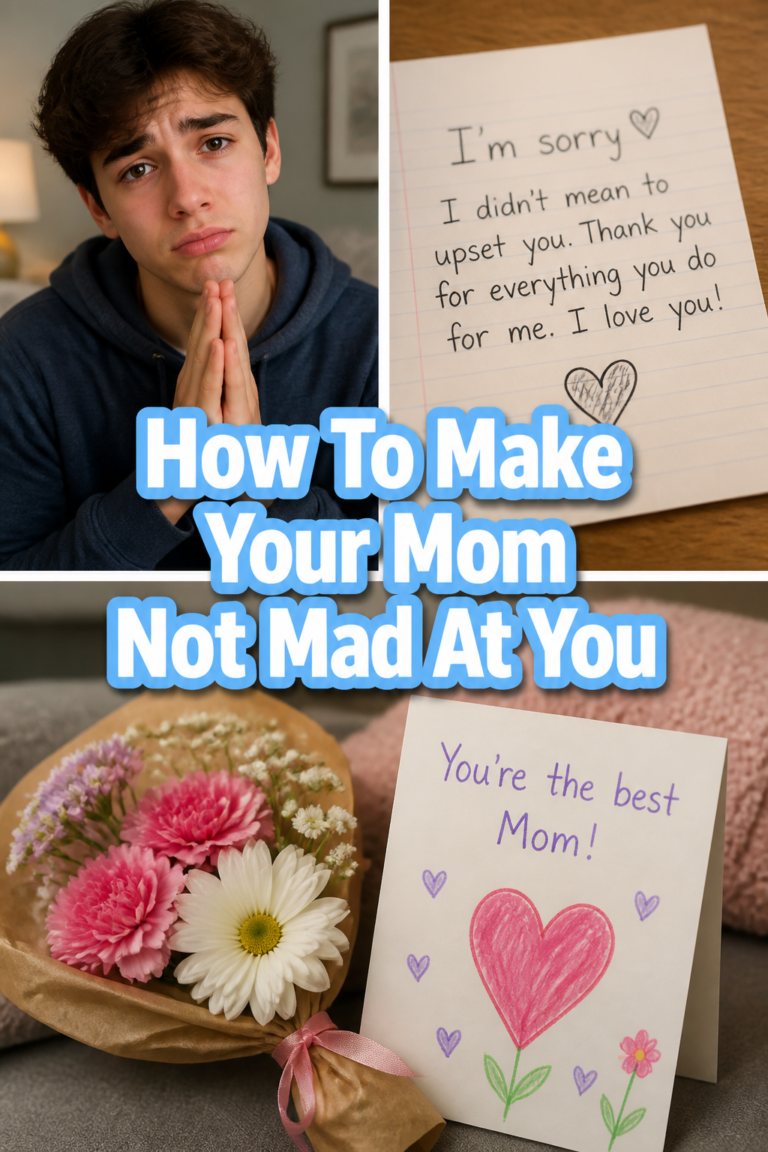
- A Special Apology Card Kit: Gather some nice paper, colorful pens, stickers, and glitter. Encourage older kids (and yourself!) to create a heartfelt, personalized apology card or drawing. It’s a Pinterest-worthy idea that adds a tangible touch to your words.
Cultivating Connection, One Apology at a Time
Learning how to genuinely say sorry is more than just a polite gesture; it’s a cornerstone of healthy relationships and emotional growth within our families. It teaches our children empathy, accountability, and the power of repair. Every time we offer a heartfelt apology, we’re not just fixing a mistake; we’re building a stronger, more resilient family unit.
It might feel awkward at first, especially if you’re not used to truly owning your mistakes. But with practice, this simple act transforms into a powerful tool for connection. Imagine your family as a team, always ready to acknowledge when someone gets bumped, and always ready to help them heal.
So, take these steps, adapt them to your unique family, and start practicing today. You’re not just teaching your kids how to say “I’m sorry”; you’re teaching them how to mend, to grow, and to love deeply.