👶 How To Dress Baby For Temperature
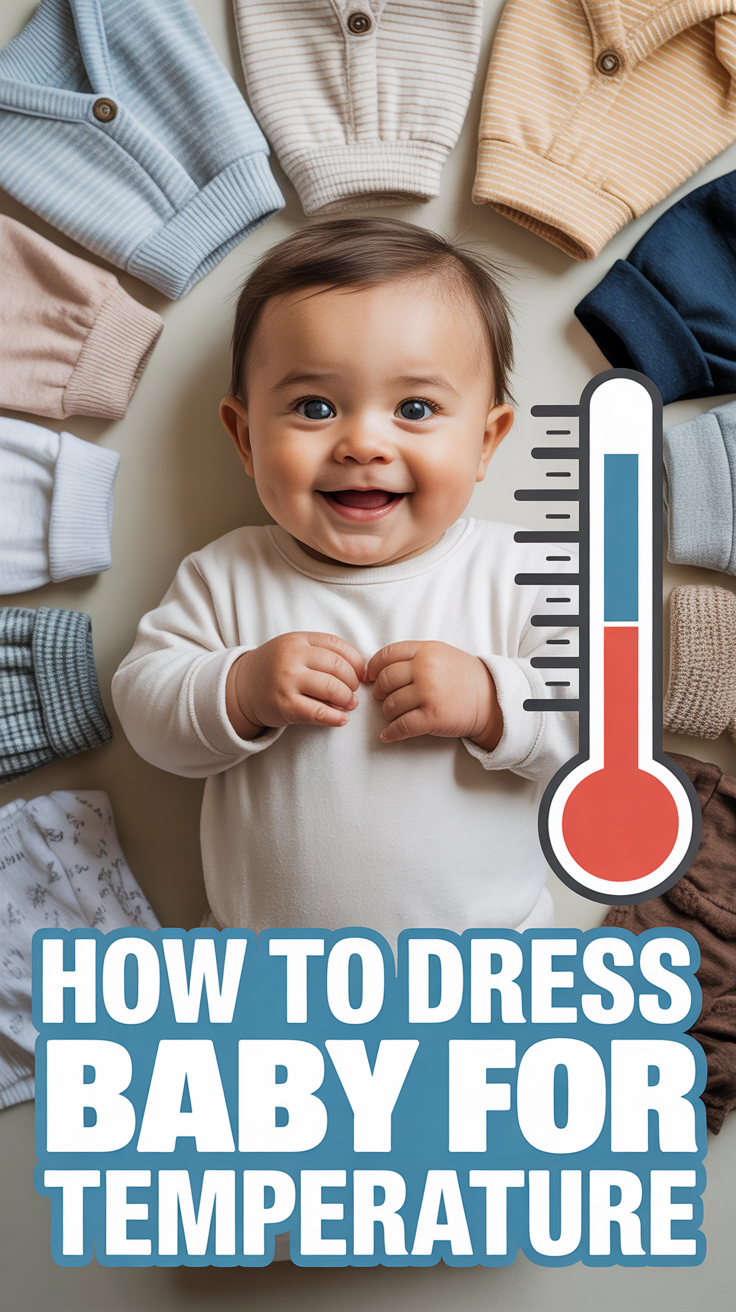
Oh, sweet mama, if there’s one thing that can send a new parent’s anxiety into overdrive, it’s the constant worry about whether your precious little one is too hot or too cold. We’ve all been there, hovering over the bassinet, gently touching a tiny hand, wondering if that extra layer is a stroke of genius or a recipe for overheating. But don’t fret! Dressing your baby for the temperature is a skill you’ll master with a little knowledge and a lot of confidence in your amazing mama instincts. This guide is here to give you the practical steps, the gentle nudges, and even some fun, doable ideas to make this part of parenting a breeze.
Quick Overview
This guide will walk you through the essential steps to confidently dress your baby for any temperature, ensuring their comfort and safety. You’ll learn how to read their cues, choose the right clothing, and navigate different environments with ease.
Time needed: Approximately 15-20 minutes to read and absorb these tips, then a lifetime of confident dressing!
Difficulty: Beginner
What you’ll need: Your baby, a variety of baby clothes (onesies, sleepers, layers), a room thermometer (optional but helpful), and your wonderful mama intuition!
Step-by-Step Instructions
Step 1: Embrace the “One More Layer” Rule
This is the golden rule, the North Star of baby dressing. Generally, babies need one more layer of clothing than an adult would comfortably wear in the same environment. Why? Because they’re not as good at regulating their body temperature, and they’re usually stationary (especially newborns!). So, if you’re comfortable in a t-shirt, your baby might need a onesie and a light swaddle or a long-sleeved outfit. If you’re wearing a sweater, they might need a onesie, a sweater, and a light jacket.
Pro tip: Think of it as a helpful guideline, not a strict law. Some babies run hotter, some colder. You’ll learn your little one’s specific needs over time.
Step 2: Know Your Environment: Check the Temperature
Before you even reach for an outfit, take a quick peek at the thermometer. This simple step gives you crucial context.
Indoors: For sleep, the ideal room temperature for a baby is typically between 68-72°F (20-22°C). A simple nursery thermometer can be a lifesaver here.
Outdoors: Check your phone’s weather app for the current temperature, wind chill, and even the “feels like” temperature. This is especially important for toddlers and school-aged kids too – knowing if it’s “feels like 30 but it’s really 40” can change your layering game for the whole family’s outing!
Pinterest-worthy idea: Create a “Weather Wardrobe Station” for baby clothes! Get some cute bins or drawer dividers. Label them: “Sunny & Warm,” “Cool & Breezy,” “Chilly & Cozy,” “Sleep Time.” This makes choosing outfits quick, organized, and looks adorable. Involve your older kids (toddlers, school-age) by letting them check the weather app and help you pick from the bins – it’s a great practical life skill and fosters family bonding!
Step 3: Feel Your Baby’s Cues: The Neck & Chest Check
This is your most reliable temperature gauge! Forget cold hands or feet – those can be misleading because babies’ extremities often get chilly. Instead, gently slide your hand to the back of their neck or feel their chest or tummy.
Warm and dry: Perfect! Your baby is comfortably dressed.
Sweaty or clammy: Your baby is likely too hot. Remove a layer immediately.
Cool to the touch: Your baby might be a bit cold. Add a layer.
Pro tip: Don’t wait for fussiness. Checking regularly, especially when waking up or after a period of activity, can help you adjust before your baby gets uncomfortable.
Step 4: Choose the Right Fabrics for the Season
Fabric choice plays a huge role in temperature regulation.
Warm Weather (Spring/Summer): Opt for breathable, lightweight fabrics like cotton, bamboo, or muslin. These help wick away moisture and keep your baby cool. Think short-sleeved onesies, rompers, and light dresses.
Cool Weather (Fall/Winter): Layering is key! Start with a cotton onesie, then add fleece, wool, or flannel sleepers, pants, and long-sleeved shirts. These fabrics provide warmth without excessive bulk.
Sleep: Cotton or bamboo sleep sacks are fantastic for keeping babies warm without loose blankets, which are a SIDS risk. Choose a TOG (Thermal Overall Grade) rating appropriate for your room temperature. A higher TOG means warmer.
Family Bonding Moment: When shopping for baby clothes, talk about the fabrics with your older children. “See how soft this cotton is for summer?” or “This fleece will keep baby super warm in winter!” It’s a subtle way to teach them about practical choices.
Step 5: Master the Art of Layering (It’s Easier Than You Think!)
Layering gives you flexibility to adjust throughout the day as temperatures change or as you move between indoors and outdoors.
Base Layer: Always start with a soft, breathable onesie (short or long-sleeved, depending on the temperature). This is like your baby’s second skin.
Middle Layer: Add pants, a shirt, or a romper. This provides the bulk of the warmth.
Outer Layer: A cardigan, jacket, or a thicker sleep sack for sleep. This is the layer you can easily add or remove.
Outdoor Adventures: When heading out, think about what you’ll be doing. If you’re going for a stroller walk in winter, a bunting suit or a car seat cover might be your outer layer. If it’s a breezy spring day, a light jacket and a hat might be enough.
Pro tip: When you’re out and about, always pack an extra layer AND an extra lighter outfit. You never know when the weather will change, or if you’ll end up in a surprisingly warm or cold spot.
Step 6: Don’t Forget the Extremities (But Don’t Overdo It)
While hands and feet aren’t the best temperature indicators, they do need protection!
Hats: Essential for newborns outdoors, as they lose a lot of heat through their heads. For older babies, use hats outdoors in cold or sunny weather. Indoors, hats are usually unnecessary after the first few weeks.
Socks/Booties: Keep those little toes warm. Even in warmer weather, if your baby is wearing just a onesie, light socks can be good. In colder weather, thicker socks or booties are a must.
Mittens: Great for preventing newborn scratches or keeping tiny hands warm in very cold weather. Avoid them indoors unless necessary.
Pinterest-worthy idea: Create a “Hat & Mitten Tree” (a small decorative tree or wall hooks) near the door. Hang baby’s hats, mittens, and tiny scarves. It’s a cute visual reminder and keeps them organized for quick grab-and-go. For toddlers, let them pick their own hat from the tree – empowers them and makes getting ready fun!
Step 7: Adjusting for Sleep: Safety First!
Sleepwear is crucial for comfort and safety.
Rule of thumb: Dress your baby in one more layer than you would wear to bed.
Sleep Sacks are Your Best Friend: They replace loose blankets (a SIDS risk) and keep your baby consistently warm. They come in different TOG ratings (Thermal Overall Grade) for various room temperatures.
High TOG (2.5-3.5): For colder rooms (below 68°F/20°C). Pair with a long-sleeved onesie or pajamas.
Medium TOG (1.0-2.5): For standard room temperatures (68-72°F/20-22°C). Pair with a short or long-sleeved onesie.
Low TOG (0.5): For warmer rooms (above 75°F/24°C). Pair with just a short-sleeved onesie or diaper.
Check During the Night: If you’re up for a feeding, do a quick neck/chest check to ensure they’re not too hot or cold.
Pro tip: Have a variety of sleep sacks with different TOG ratings on hand. This makes adjusting for seasonal changes or unexpected temperature drops super easy.
Step 8: Car Seat & Stroller Considerations
This is a critical safety point! Bulky coats and snowsuits are a big no-no in car seats.
Car Seats: The harness needs to be snug against your baby’s body. Bulky clothing creates space under the straps, which can compress in a crash, leaving the harness loose and your baby vulnerable.
Instead, dress your baby in regular clothing (layers are great here). Once buckled in, you can place a blanket over the harness straps, or use a car seat cover that goes over the entire car seat, not under or through the straps.
Strollers: Here, you have more flexibility. Use blankets, footmuffs, or a stroller bunting to add warmth over your baby’s regular clothes. Remember, your baby isn’t generating much heat in a stroller, so they might need an extra layer compared to you walking beside them.
Family Outing Idea: Before a family road trip, practice buckling your toddler or school-aged child into their booster seat with and without their winter coat. Explain why the coat needs to come off for safety. “See how much tighter the belt is without your big coat? That keeps you super safe!”
Step 9: When to Undress or Add Layers
It’s not just about getting dressed; it’s about staying vigilant and adjusting.
Moving Indoors: If you come in from the cold, remove outdoor layers (jackets, hats, heavy blankets) within a few minutes.
Activity Level: If your older baby or toddler is crawling, walking, or playing vigorously, they’ll generate more heat. You might need to remove a layer.
Nap Time: Just like nighttime sleep, ensure appropriate sleepwear and room temperature for naps.
Pro tip: Keep a light blanket or swaddle handy at all times. It’s the ultimate flexible layer – perfect for an unexpected chill or a quick sun shade.
Step 10: Trust Your Mama Gut!
You know your baby best. While all these guidelines are fantastic, your intuition is your superpower. If something feels off, investigate. If your baby seems uncomfortable despite following all the rules, make an adjustment. You’re constantly learning your baby’s unique cues and preferences.
Parenting Wisdom: There’s no single “right” way for every baby. What works for one might not work for another. Be patient with yourself and your little one as you figure it out together.
Common Mistakes to Avoid
1. Overdressing Your Baby: This is the most common mistake. Parents often worry about their baby being cold and pile on too many layers. Overheating can be dangerous and is a risk factor for SIDS. Always prioritize feeling the back of their neck/chest over just looking at their hands/feet.
2. Relying Solely on Hands and Feet: As mentioned, babies’ extremities often feel cooler than their core, even when they’re perfectly warm. Don’t let cold hands lead you to add unnecessary layers.
3. Bulky Outerwear in Car Seats: This is a critical safety hazard. Never buckle your baby into a car seat with a bulky coat or snowsuit on. The harness won’t be snug enough, compromising its ability to protect them in a crash.
4. Ignoring Environmental Factors: Forgetting about wind chill, direct sunlight (even on a cool day), or humidity can lead to misjudging the actual temperature your baby feels. Always consider the full picture.
5. Using Loose Blankets for Sleep: For babies under 12 months, loose blankets in the crib are a SIDS risk. Always opt for sleep sacks or wearable blankets.
Troubleshooting
My baby feels sweaty/clammy, even with fewer layers!
Solution: Your baby might be running hot, or the room might be warmer than you realize. Remove a layer, check the room temperature again, and consider a lighter fabric (like bamboo). Ensure good ventilation in the room.
My baby’s hands and feet are always cold, even if their core is warm.
Solution: This is very common! As long as their neck and chest are warm and dry, they’re likely fine. You can add light mittens or socks if it truly bothers you, but don’t add full body layers based on extremities alone.
My baby seems restless or fussy at night, but I can’t tell if they’re too hot or cold.
Solution: Do the neck/chest check. If they’re warm and dry, the temperature is probably okay. Consider other reasons for fussiness (hunger, wet diaper, gas, need for comfort). If they’re sweaty, remove a layer. If cool, add a very light one, or swap for a higher TOG sleep sack.
Key Takeaways
“One More Layer” Rule: Babies generally need one more layer than you.
Core Temperature Check: Always feel your baby’s neck or chest, not hands or feet.
Know the Environment: Check indoor and outdoor temperatures.
Layer Up Safely: Use breathable layers that can be added or removed easily.
Fabric Matters: Choose cotton/bamboo for warmth, fleece/wool for cold.
Sleep Sacks are Gold: Use appropriate TOG sleep sacks instead of loose blankets.
Car Seat Safety: No bulky coats in car seats – layer over the harness.
Trust Your Gut: You know your baby best!
Frequently Asked Questions
Q: How do I know if my baby is too hot?
A: Check the back of their neck or chest. If it feels sweaty, clammy, or hot to the touch, they are likely too hot. Other signs can include flushed cheeks, rapid breathing, or heat rash.
Q: How do I know if my baby is too cold?
A: Again, check their neck or chest. If it feels cool to the touch, they might be cold. While cold hands and feet aren’t reliable indicators, if their core is cool, it’s time to add a layer. Shivering is a very late sign of being too cold.
Q: What about dressing for sleep?
A: Aim for a room temperature between 68-72°F (20-22°C). Dress your baby in a onesie and a sleep sack with an appropriate TOG rating for the room temperature. Never use loose blankets.
Q: What about dressing for car seats?
A: Dress your baby in their regular, non-bulky layers. Once they are securely buckled with the harness snug against their body, you can place a blanket over the straps, or use a car seat cover that goes over the entire seat.
What’s Next?
Now that you’re a pro at dressing your baby for temperature, why not explore creating a seasonal capsule wardrobe for your little one? Think about organizing their clothes by size and season, making future outfit choices even quicker. You could also dive into DIY baby clothes storage ideas – think cute labels, drawer dividers, or even upcycling old baskets. For your older kids, why not start a family weather journal? They can draw the weather each day and suggest what clothes everyone should wear, turning a practical task into a fun, educational family bonding activity!
Go ahead, mama, you’ve got this. Dress your baby with confidence and enjoy every cozy, comfortable moment!