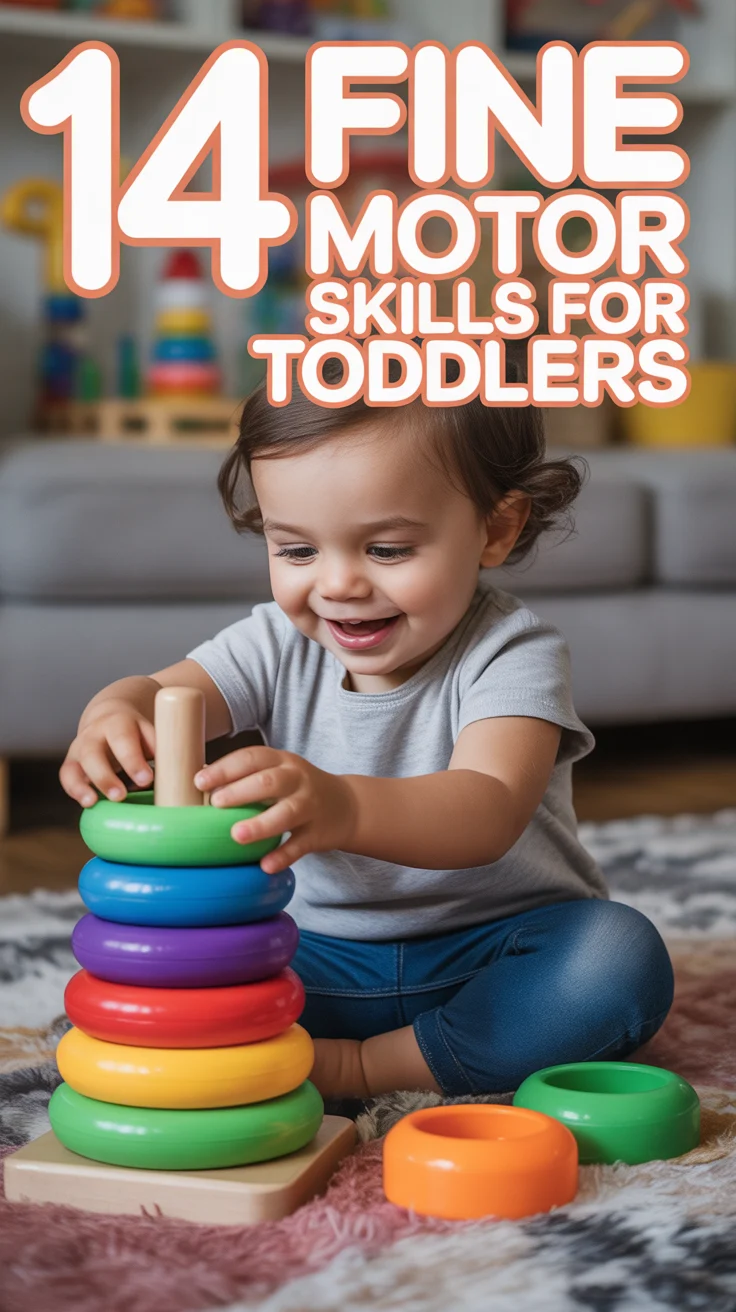
💪 14 Fine Motor Skills For Toddlers
🍼 The Newborn Survival Kit
The first six months of parenthood are a blur of exhaustion. Stop trying to tough it out—these are the 5 absolute life-saving baby essentials that experienced moms literally refuse to live without. They will instantly solve your biggest sleeping, feeding, and soothing struggles.
🌙 Hatch Rest Baby Sound Machine
The ultimate sleep hack. You can entirely control this white noise machine and dimmable nightlight from your smartphone, meaning you never have to accidentally wake the baby while sneaking back out of the nursery after a 3 AM feeding.
🤧 FridaBaby NoseFrida Snotsucker
It sounds incredibly gross until your baby has their first cold and literally cannot breathe to sleep. Throw away those useless hospital bulb syringes—this doctor-invented tool safely clears congestion in seconds, and yes, the filter absolutely prevents any germs from reaching you.
💧 Haakaa Silicone Manual Breast Pump
Every breastfeeding mom's best kept secret. Simply suction this cheap, cord-free silicone cup to the opposite breast while you nurse to effortlessly catch every drop of liquid gold letdown that would otherwise leak onto your shirt and be totally wasted.
🧴 Aquaphor Baby Healing Ointment
Forget buying ten different expensive, highly-fragranced creams. This is the only ointment you need. It miraculously cures severe diaper rash overnight, heals cracked nursing nipples, soothes baby eczema, and aggressively protects delicate skin from harsh winter wind.
☁️ Burt's Bees 100% Organic Burp Cloths
You will go through dozens of these a day, so do not cheap out on thin fabric. These thick, ultra-absorbent organic cotton cloths actually catch massive spit-ups before they ruin your only clean outfit, while remaining incredibly soft against your newborn's face.
Okay, let’s be real. Toddlers are basically tiny, adorable chaos agents. One minute they’re scaling the couch like a seasoned mountaineer, the next they’re trying to eat a crayon. Amidst all that glorious, messy adventure, we sometimes forget about the small stuff. And by small stuff, I mean literally the small movements their tiny hands need to master.
We’re talking about fine motor skills, folks. These aren’t just for showing off at fancy dinner parties (though imagine the tiny spoon etiquette!). They’re crucial for everything from self-feeding to eventually writing their name on your walls with permanent marker. So, let’s ditch the guilt and dive into some seriously fun ways to get those little fingers flexing. No boring drills, just pure, unadulterated play. You’re welcome.
1. The Cereal Scavenger Hunt
Get ready for some serious pincer grasp action. Scatter some O-shaped cereal or small puff snacks on their high chair tray or a clean table. Watch them meticulously pick up each tiny piece. It’s like a delicious, edible puzzle!
This activity strengthens the muscles needed for holding pencils and tiny toys. Pro tip: make it a game by hiding a few under a cup for an extra challenge. They’ll be grabbing that remote control with precision in no time.
2. Play-Doh Power Hour
Who doesn’t love Play-Doh? Squishing, rolling, pinching, and tearing are all fantastic for developing hand strength and coordination. Hand over some cookie cutters or plastic knives for even more intricate work.
This sensory experience is a total win for strengthening those little hand muscles. Plus, it’s pretty satisfying to watch them create something (even if it’s just a colorful blob). Don’t forget to get in there and squish a bit yourself; it’s therapeutic.
3. Building Block Bonanza
Whether they’re big LEGO DUPLO bricks or classic wooden blocks, stacking and connecting requires serious control. Lining them up, pushing them together, and then gleefully knocking them down? All part of the learning process.
This classic toy is a powerhouse for hand-eye coordination and spatial awareness. Encourage them to build tall towers or long trains. Pro tip: ask them to match colors or shapes as they build for an extra brain boost. They’ll be architects before you know it.
4. Sticker Peeling Party
Oh, the humble sticker. Peeling these sticky little guys off their backing is surprisingly challenging for tiny fingers. Start with larger, easier-to-peel stickers and work your way down to smaller ones.
This simple activity hones finger isolation and precision. They’ll love sticking them on paper, on themselves, or even on your forehead (just kidding, mostly). Seriously, the satisfaction of peeling that sticker is next level for a toddler.
5. Water Transfer Wizardry
Grab two bowls and a small sponge or a squeeze bottle. Fill one bowl with water and let your toddler transfer the water to the empty bowl. Squeezing the sponge or bottle is excellent for hand strength.
This activity is not only fun but also teaches cause and effect and strengthens those grasping muscles. Pro tip: add a few drops of food coloring to the water for extra visual appeal. Just make sure to do this in a splash-friendly zone, unless you enjoy mopping.
6. Threading Frenzy
Start with large wooden beads and thick laces, or even uncooked pasta tubes and pipe cleaners. The act of pushing the string through the hole requires focus and fine motor control.
Threading improves hand-eye coordination and bilateral coordination (using both hands together). As they get better, you can introduce smaller beads or thinner string. Just keep an eye on those tiny pieces, because everything is a snack to a toddler.
7. Buttoning & Zipping Challenge
Don’t just dress them; let them try! Offer shirts with large buttons or a jacket with an easy-to-grab zipper pull. Practice makes perfect, even if it takes a while.
These practical life skills are fantastic for developing dexterity and independence. You can even buy specific buttoning or zipping boards if you want to save your actual clothes from toddler-induced wear and tear. They’ll be dressing themselves in no time (maybe).
8. Painting with Purpose
Finger painting is great, but introduce small brushes or cotton swabs for more controlled movements. Dipping, dabbing, and swirling paint engages different finger muscles.
This creative outlet boosts hand-eye coordination and encourages controlled movements. Pro tip: tape paper to the table to prevent it from sliding around, saving you from a colorful, sticky mess. Or embrace the mess; it’s art!
9. Scissor Snip-Snip
Once they’re ready, introduce child-safe scissors. Start with cutting play-doh, then move to thick paper or cardstock. Make it fun by drawing lines for them to follow.
Using scissors develops hand strength, bilateral coordination, and precision. Always supervise this activity, obviously. Soon they’ll be cutting out shapes like a pro (and probably cutting their own hair, so maybe hide those scissors sometimes).
10. Tweezer Time
Grab some child-friendly tweezers or even clean kitchen tongs. Have your toddler pick up small, soft objects like cotton balls, pom-poms, or even small pieces of cereal and transfer them to another container.
This refines the pincer grasp and strengthens those delicate finger muscles. It’s surprisingly engaging and can keep them busy for a good chunk of time. Just don’t let them tweeze your eyebrows.
11. Puzzle Mania
From simple peg puzzles to chunky wooden jigsaw puzzles, manipulating pieces into their correct spots is a fantastic fine motor workout. Matching shapes and fitting them together requires precision.
Puzzles improve problem-solving skills, shape recognition, and hand-eye coordination. Start with puzzles that have large knobs or handles, then move to flat pieces. Success breeds confidence, and a completed puzzle is a major win.
12. Drawing & Doodling
Crayons, chunky markers, chalk—anything they can grip and make a mark with is a go. Encourage scribbling, drawing lines, or attempting shapes. The grip itself is the key here.
This fundamental activity builds hand strength and prepares them for more formal writing. Pro tip: offer different textured papers for a sensory twist. Who knew scribbles could be so educational?
13. Opening & Closing Containers
Collect various containers with different types of lids: twist caps, snap lids, pop-tops. Let your toddler practice opening and closing them. They’ll love the challenge.
This everyday skill works on wrist rotation, finger strength, and problem-solving. It’s practical, too, because soon they’ll be opening all your snack containers themselves. Consider it training for future independence.
14. Sorting Small Treasures
Provide a mix of small, safe objects like pom-poms, large buttons, or colorful beads, along with a muffin tin or small bowls. Ask them to sort by color, size, or type.
Sorting refines their pincer grasp, encourages categorization, and improves cognitive skills. Pro tip: make it a race against the clock for older toddlers, or just let them explore at their own pace. It’s amazing what a little organization can do for those tiny hands.
🧩 The Toddler Sanity & Learning Kit
Toddlers are tiny tornados. Instead of turning on the iPad in a moment of desperation, these 5 open-ended toys and clever tools foster independent, screen-free play while simultaneously saving your house from milk spills and crayon disasters.
🧱 Magna-Tiles 100-Piece Building Set
The undeniable king of open-ended play. It is the one single toy that a 2-year-old and a 10-year-old will both happily play with for an hour straight. They develop spatial reasoning, math skills, and independent focus—worth absolutely every penny.
🥛 Munchkin Miracle 360 Trainer Cups
Stop wiping up milk puddles. These genius, dentist-recommended cups allow kids to drink from anywhere around the rim like a real glass, but they instantly seal themselves the second the child stops drinking—even if they drop it on the floor.
🎧 Yoto Mini Kids Audio Player
The ultimate distraction for car rides or quiet time without the guilt of handing over a glowing screen. Kids control it completely by inserting physical cards to play audiobooks, music, and educational podcasts completely independently.
🧹 Melissa & Doug Wooden Cleaning Set
Toddlers desperately want to do exactly what you do. This kid-sized, highly durable wooden sweeping and mopping set redirects their chaotic energy into productive, confidence-building life skills while you actually get the real cleaning done in peace.
🎒 Montessori Travel Busy Board
The secret to surviving restaurants and airplanes with a two-year-old. Packed with buckles, zippers, shoelaces, and snaps, this soft, lightweight 'briefcase' develops critical fine-motor skills and keeps busy little hands occupied for surprisingly long stretches.
Conclusion
So there you have it, folks. Fourteen ways to sneak some serious fine motor skill development into your toddler’s day, all while keeping things fun and relatively mess-free (no promises on the mess-free part, let’s be real). Remember, every little squeeze, snip, and stack is building those tiny muscles and boosting their brainpower.
Don’t sweat the small stuff, just play with it! Your toddler will thank you later (probably by showing off their perfect pincer grasp while grabbing the last cookie). Keep it playful, keep it active, and those little hands will be ready for anything.