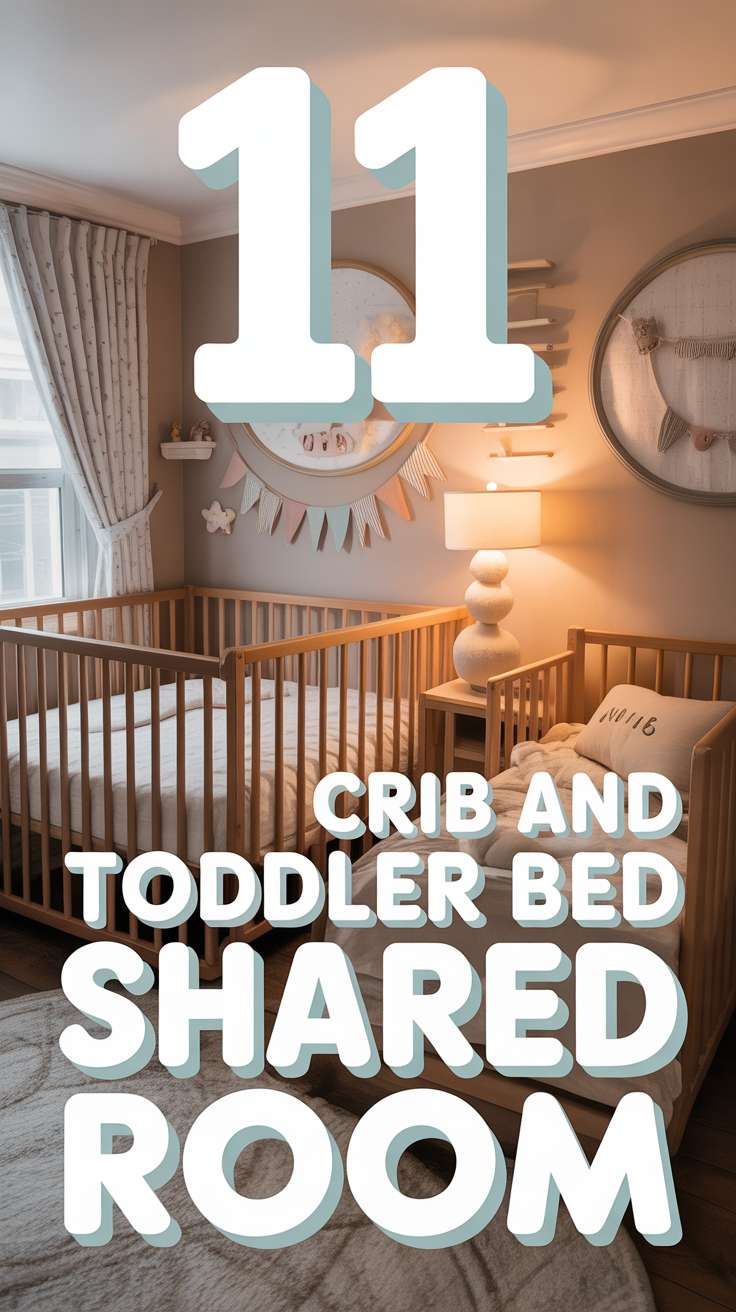
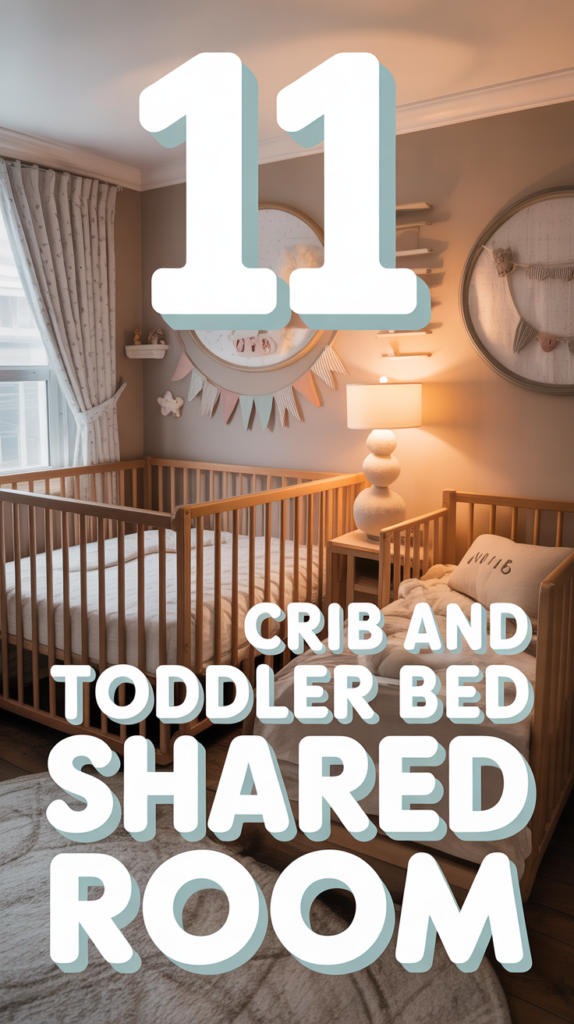
👯♀️ 11 Crib And Toddler Bed Shared Room
Okay, so you’ve got two adorable tiny humans, one still rocking the crib life, the other ready to graduate to a big-kid bed. And guess what. They’re sharing a room. Cue the panic, right. Wrong. This isn’t a problem, it’s a prime opportunity for some seriously stylish and functional design magic. Think of it as a fun challenge to create a harmonious sleep and play zone for your dynamic duo. Let’s ditch the stress and dive into making this shared space an absolute dream.
1. Zone It Out Smartly
First things first, you gotta define their turf. Even in a shared space, a little personal real estate goes a long way. Use furniture placement or even a clever rug to create invisible boundaries for each kiddo’s sleeping and play areas. This gives them a sense of ownership, which can totally curb those “that’s MY toy” squabbles later.
Pro tip: Position the crib away from the toddler bed if possible, giving each child a bit of visual separation for bedtime routines. A screen or a tall bookshelf can also work wonders as a soft divider.
This approach minimizes distractions and gives everyone their own little sanctuary, even in close quarters.
2. Go Vertical With Storage
When you’re working with limited floor space, the only way to go is up. Embrace wall-mounted shelves, tall dressers, and even bunk beds (if your toddler is old enough for the bottom bunk and the crib fits under). This frees up precious floor space for actual play, which is kinda the point, isn’t it.
Pro tip: Install shelves just above the changing table area for easy access to diapers and wipes, keeping clutter off the dresser top. Utilize wall pockets or hanging baskets for soft toys.
Vertical storage keeps everything tidy and makes the room feel much larger than it actually is.
3. Master the Art of Noise Control
One kid’s deep sleep is another kid’s “time to scream.” Not ideal. Invest in a really good white noise machine for the room. It works wonders for masking those inevitable nighttime disturbances, from a crying baby to a restless toddler. You might even consider heavy curtains to dampen outside sounds too.
Pro tip: Place the sound machine closer to the crib, as babies are often more sensitive to sudden noises. It helps create a consistent sleep environment.
This simple trick can seriously save your sanity and ensure everyone gets more Zs.
4. Shared Storage, Private Stash
Communal toy bins are great, but every kid needs a spot for their absolute favorite, can’t-live-without treasures. Give each child a designated drawer or a small basket next to their bed. This fosters independence and reduces arguments over ownership.
Pro tip: Label drawers or bins with pictures for younger kids so they know exactly where their things go. Clear bins are also a lifesaver for seeing what’s inside without a full-on excavation.
A little personal space for their prized possessions makes sharing feel less like sacrificing.
5. Layer Your Lighting
Harsh overhead lights are a no-go for sleepy eyes. Think about layered lighting. A main ceiling light for play, a dimmer switch for winding down, and individual nightlights or small lamps for each bed. This way, one child’s bedtime routine doesn’t have to disturb the other.
Pro tip: Choose a nightlight with a soft, warm glow near the crib for late-night checks, and a slightly brighter but still gentle reading lamp for the toddler’s bed.
Smart lighting creates a cozy atmosphere and allows for independent activities without waking the other sleeper.
6. Theme Dream Team
You don’t need identical decor for a cohesive look. Pick a general theme or color palette, then let each child’s personality shine through in their bedding or a few special decor items. Think “forest adventure” where one has bears and the other has trees, rather than two identical bear rugs.
Pro tip: Use a neutral base for walls and larger furniture, then introduce pops of color and character through easily changeable items like throw pillows, blankets, or wall art.
This approach makes the room feel unified but still celebrates individual tastes.
7. Safety First, Always
This one’s non-negotiable. Ensure the crib is away from windows, cords, and anything a curious toddler might pull down. Anchor all furniture to the wall. Make sure the toddler bed is easily accessible but also has guardrails if needed. You want peace of mind, not a trip hazard.
Pro tip: Regularly check both sleeping areas for loose parts, gaps, or anything that could pose a choking hazard, especially with a crawling baby and a curious toddler around.
A safe space means happy parents and even happier little ones.
8. Personalized Nooks
Even in a shared room, a small “me” space is invaluable. This could be a tiny reading corner with a beanbag chair for the toddler, or a soft play mat next to the crib for the baby. It gives them a designated spot to chill or play without invading the other’s immediate area.
Pro tip: Use a small, lightweight tent or canopy over the toddler bed to create a cozy, private hideaway that can be easily moved or removed as needed.
These little zones give everyone a sense of personal space, even when they’re together.
9. Maximize Floor Play Power
Kids need room to be kids, especially toddlers. Keep the center of the room as open as possible for play. Opt for furniture that can be pushed against walls or has hidden storage to keep the floor clear. A large, soft rug also defines the play area and makes it comfy for crawling and tumbling.
Pro tip: Consider a foldable playpen for the baby during toddler playtime, offering a safe zone for the infant while the older sibling burns off energy.
An uncluttered floor encourages imaginative play and prevents sibling wrestling matches over space.
10. Color Cohesion, Not Matchy-Matchy
Instead of identical colors, choose a palette of complementary hues. Maybe one side has soft blues and the other has gentle greens, all tied together with a neutral base. This creates visual interest without making the room feel disjointed or too busy. It’s chic, not chaotic.
Pro tip: Use bedding as your main accent color, as it’s easy to swap out if one child’s preferences change or you want a refresh.
A thoughtful color scheme makes the room feel intentionally designed, not just thrown together.
11. Flexibility is Your Friend
Kids grow, and their needs change faster than you can say “sleep regression.” Choose furniture that can adapt. A dresser that doubles as a changing table, a crib that converts to a toddler bed, or modular shelving. This future-proofs your design and saves you money down the line.
Pro tip: Look for storage pieces that can be easily repurposed, like a toy chest that becomes a window seat or a small bookshelf that transitions into a nightstand.
Investing in versatile pieces means your shared room can evolve as your children do, without a complete overhaul.
Conclusion
See. Sharing a room with a crib and toddler bed isn’t a design disaster waiting to happen. It’s an awesome chance to get creative, blend practicality with serious style, and build a cozy haven for your littlest loves. With a bit of smart planning and a dash of humor, you’ll create a space where everyone sleeps soundly and plays happily. Now go on, make that room Instagram-worthy and totally functional. You’ve got this.