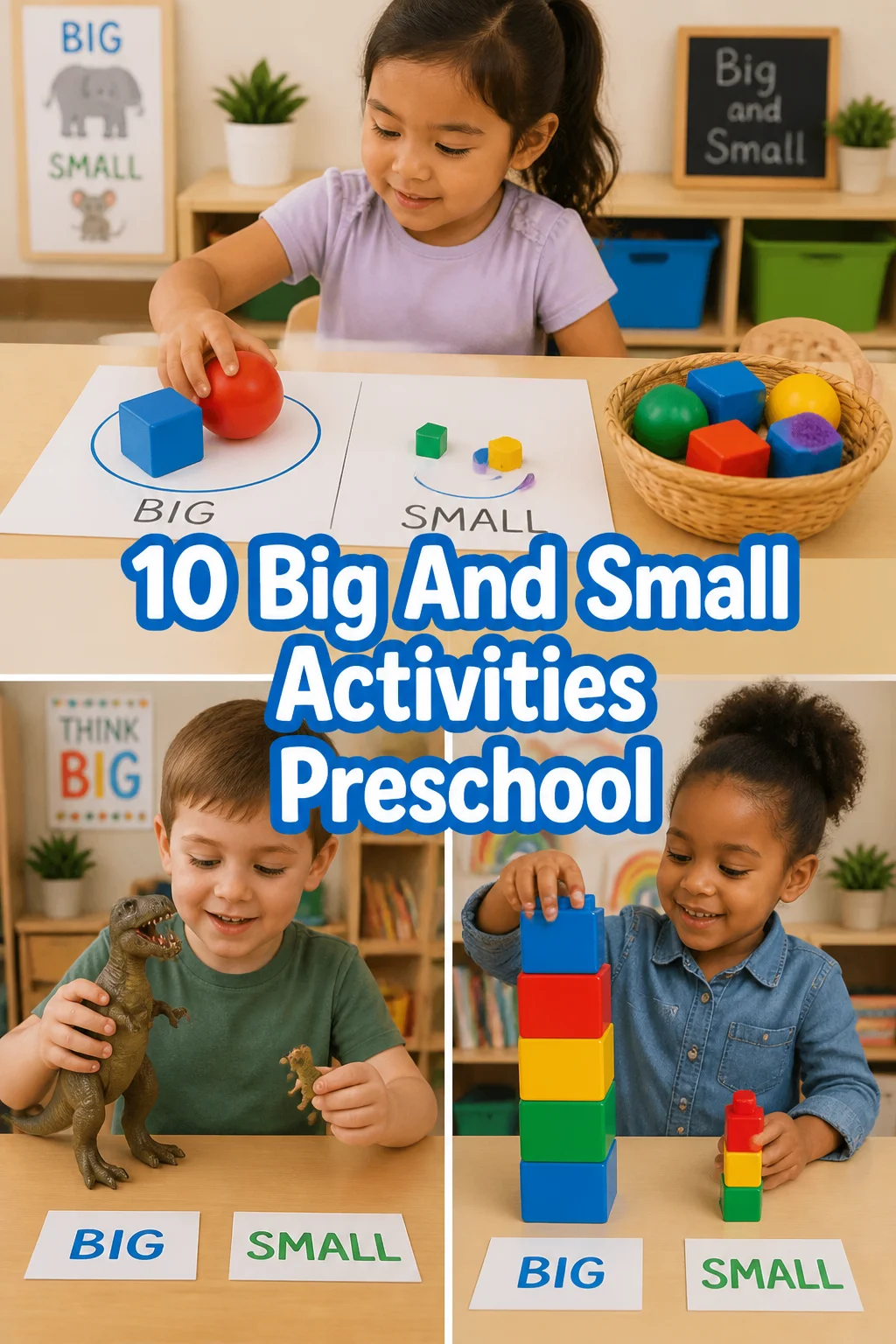
📏 10 Big And Small Activities Preschool
🍼 The Newborn Survival Kit
The first six months of parenthood are a blur of exhaustion. Stop trying to tough it out—these are the 5 absolute life-saving baby essentials that experienced moms literally refuse to live without. They will instantly solve your biggest sleeping, feeding, and soothing struggles.
🌙 Hatch Rest Baby Sound Machine
The ultimate sleep hack. You can entirely control this white noise machine and dimmable nightlight from your smartphone, meaning you never have to accidentally wake the baby while sneaking back out of the nursery after a 3 AM feeding.
🤧 FridaBaby NoseFrida Snotsucker
It sounds incredibly gross until your baby has their first cold and literally cannot breathe to sleep. Throw away those useless hospital bulb syringes—this doctor-invented tool safely clears congestion in seconds, and yes, the filter absolutely prevents any germs from reaching you.
💧 Haakaa Silicone Manual Breast Pump
Every breastfeeding mom's best kept secret. Simply suction this cheap, cord-free silicone cup to the opposite breast while you nurse to effortlessly catch every drop of liquid gold letdown that would otherwise leak onto your shirt and be totally wasted.
🧴 Aquaphor Baby Healing Ointment
Forget buying ten different expensive, highly-fragranced creams. This is the only ointment you need. It miraculously cures severe diaper rash overnight, heals cracked nursing nipples, soothes baby eczema, and aggressively protects delicate skin from harsh winter wind.
☁️ Burt's Bees 100% Organic Burp Cloths
You will go through dozens of these a day, so do not cheap out on thin fabric. These thick, ultra-absorbent organic cotton cloths actually catch massive spit-ups before they ruin your only clean outfit, while remaining incredibly soft against your newborn's face.
Alright, fellow trendsetters and tiny human wranglers! Let’s be real, keeping those preschool brains buzzing isn’t always a walk in the park. One minute they’re fascinated by a dust bunny, the next they’re asking existential questions about the universe. But guess what? There’s a super chic way to sneak in some serious learning, especially around those foundational “big” and “small” concepts. Forget the boring flashcards; we’re talking about hands-on, giggle-inducing activities that make learning feel like, well, just playing. Because, honestly, who has time for dull when you’re busy being fabulous? Let’s dive into some seriously cool ways to make size comparisons a total blast.
1. Sensory Bin Explorations
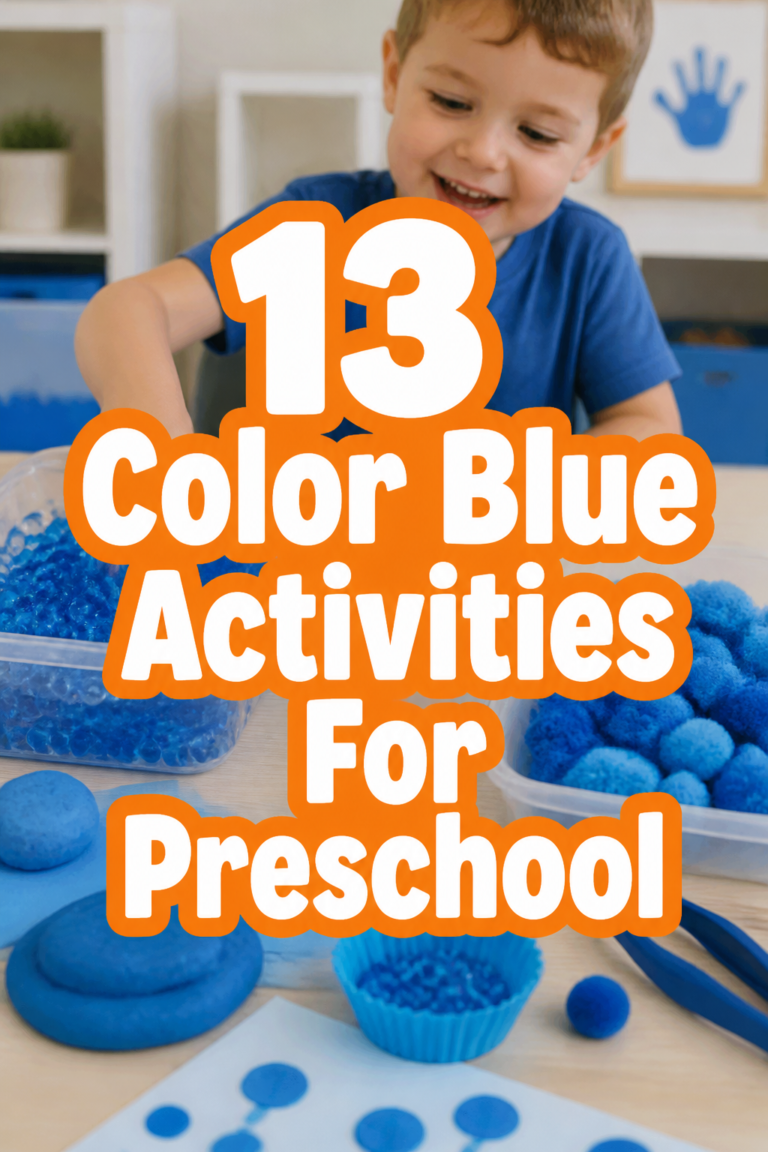
Who knew a plastic tub could hold so much educational power? Fill a bin with various materials like rice, dried beans, or even water beads, then add objects of wildly different sizes. Think tiny pom-poms next to chunky blocks or small buttons beside large plastic animals. Kids get to dig, scoop, and discover.
This activity is a goldmine for tactile learning and naturally sparks conversations about size. Pro tip: Throw in some scoops, tongs, and small containers. They’ll be busy for ages, and their fine motor skills will thank you. It’s basically a treasure hunt, but with less sand in your car.
2. The Great Size Sort-Off
Prepare for some serious categorizing action! Gather up a collection of everyday items – think socks (big ones, small ones), different sized balls, or even leaves from the yard. Create designated “big” and “small” areas (maybe some hula hoops or labeled baskets) and let them go wild.
This simple game teaches visual discrimination and basic classification. They’re practically mini-scientists! Pro tip: Make it a race! “Who can sort their pile the fastest?” A little friendly competition never hurt anyone. Except maybe the concept of a quiet afternoon.
3. Building Blocks Bonanza
Time to unleash their inner architects, with a side of size awareness. Provide a mix of building materials – classic wooden blocks, LEGO Duplos, even cardboard boxes. Challenge them to build a super tall tower and then a tiny little house.
They’re not just stacking; they’re actively engaging with concepts of height, width, and volume. Pro tip: Introduce specific language. “Can you find a block that’s bigger than this one?” or “Let’s put the smallest block on top.” Genius, right?
4. Playdough Creations
Squish, roll, and learn. Playdough is a timeless classic for a reason. Hand out some dough and let their imaginations run wild, but with a size-centric twist. Encourage them to make a giant monster and a miniature bug, or a long snake and a short worm.
This activity is fantastic for strengthening hand muscles and developing spatial awareness. Pro tip: Offer them different sized cookie cutters. They’ll love pressing out big stars and tiny hearts. Just try not to eat the playdough.
5. Giant Art vs. Mini Masterpieces
Let’s get artsy, darling! Dedicate one session to “big art” – think a huge roll of paper on the floor, thick paintbrushes, and big, sweeping arm movements. Another day, switch to “small art” – tiny paper, fine-tipped markers, and intricate details.
This helps them understand how scale impacts expression and effort. Pro tip: Hang both creations side-by-side and discuss the differences. “Which one took more paper? Which one needed a steadier hand?” They’ll feel like true artists, ready for their gallery debut.
6. Nature Scavenger Hunt
Get those little explorers outside! Arm them with a small bag or basket and send them on a mission to find specific items: a big leaf, a small rock, a long stick, a short blade of grass. The world is their classroom!
Nature provides endless opportunities for natural comparisons and observation. Pro tip: Before you head out, show them examples of what “big” and “small” versions of items might look like. It’s like a real-life I-Spy, but with dirt.
7. Water Play Wonders
Water play isn’t just for cooling down; it’s a fantastic learning lab. Fill a tub with water and add various sized cups, spoons, and containers. Let them pour, scoop, and transfer water, asking them which container holds more or less.
This introduces early concepts of volume and capacity in a super engaging way. Pro tip: Add some floating toys of different sizes. “Does the big boat float better than the small duck?” The answer might surprise them, or just get everyone soaking wet.
8. Story Time Comparisons
Reading is fundamental, but comparing elements within stories is next-level. Choose books that naturally feature characters or objects of varying sizes, like “Goldilocks and the Three Bears” or “The Little Engine That Could.”
As you read, actively point out and discuss the size differences. “Look, the papa bear has a big chair, but the baby bear has a small chair!” Pro tip: Use your voice to exaggerate the size differences when describing characters. It makes the story even more immersive and the lesson stickier.
9. Movement Games
Let’s get physical, physical! Ask your preschoolers to make their bodies “big” by stretching out wide and tall, then “small” by curling up into a tiny ball. Play a game of “Simon Says” using these commands.
This helps kinesthetic learners connect abstract size concepts to their own bodies. Pro tip: Put on some music and have a “big dance” then a “small dance.” It’s a fantastic energy burner that’s also secretly educational. You’re welcome.
10. Cooking Adventures
Whip up some delicious learning in the kitchen! When baking cookies, talk about taking a big scoop of dough for one cookie and a small scoop for another. When preparing fruit, compare big apple slices to small grape halves.
Cooking offers practical, real-world applications of size concepts. Pro tip: Let them help measure ingredients using different sized spoons and cups. Just be prepared for a little mess; it’s all part of the culinary journey. And the cleanup.
🧩 The Toddler Sanity & Learning Kit
Toddlers are tiny tornados. Instead of turning on the iPad in a moment of desperation, these 5 open-ended toys and clever tools foster independent, screen-free play while simultaneously saving your house from milk spills and crayon disasters.
🧱 Magna-Tiles 100-Piece Building Set
The undeniable king of open-ended play. It is the one single toy that a 2-year-old and a 10-year-old will both happily play with for an hour straight. They develop spatial reasoning, math skills, and independent focus—worth absolutely every penny.
🥛 Munchkin Miracle 360 Trainer Cups
Stop wiping up milk puddles. These genius, dentist-recommended cups allow kids to drink from anywhere around the rim like a real glass, but they instantly seal themselves the second the child stops drinking—even if they drop it on the floor.
🎧 Yoto Mini Kids Audio Player
The ultimate distraction for car rides or quiet time without the guilt of handing over a glowing screen. Kids control it completely by inserting physical cards to play audiobooks, music, and educational podcasts completely independently.
🧹 Melissa & Doug Wooden Cleaning Set
Toddlers desperately want to do exactly what you do. This kid-sized, highly durable wooden sweeping and mopping set redirects their chaotic energy into productive, confidence-building life skills while you actually get the real cleaning done in peace.
🎒 Montessori Travel Busy Board
The secret to surviving restaurants and airplanes with a two-year-old. Packed with buckles, zippers, shoelaces, and snaps, this soft, lightweight 'briefcase' develops critical fine-motor skills and keeps busy little hands occupied for surprisingly long stretches.
Conclusion
There you have it, rockstars of early childhood education! Teaching “big” and “small” doesn’t have to be a snooze-fest. By injecting a little creativity, a dash of humor, and a whole lot of hands-on fun, you’re not just teaching concepts; you’re building a foundation for critical thinking and observation. So go forth, embrace the beautiful chaos, and watch those little brains blossom. You’ve got this, and frankly, you look fabulous doing it.