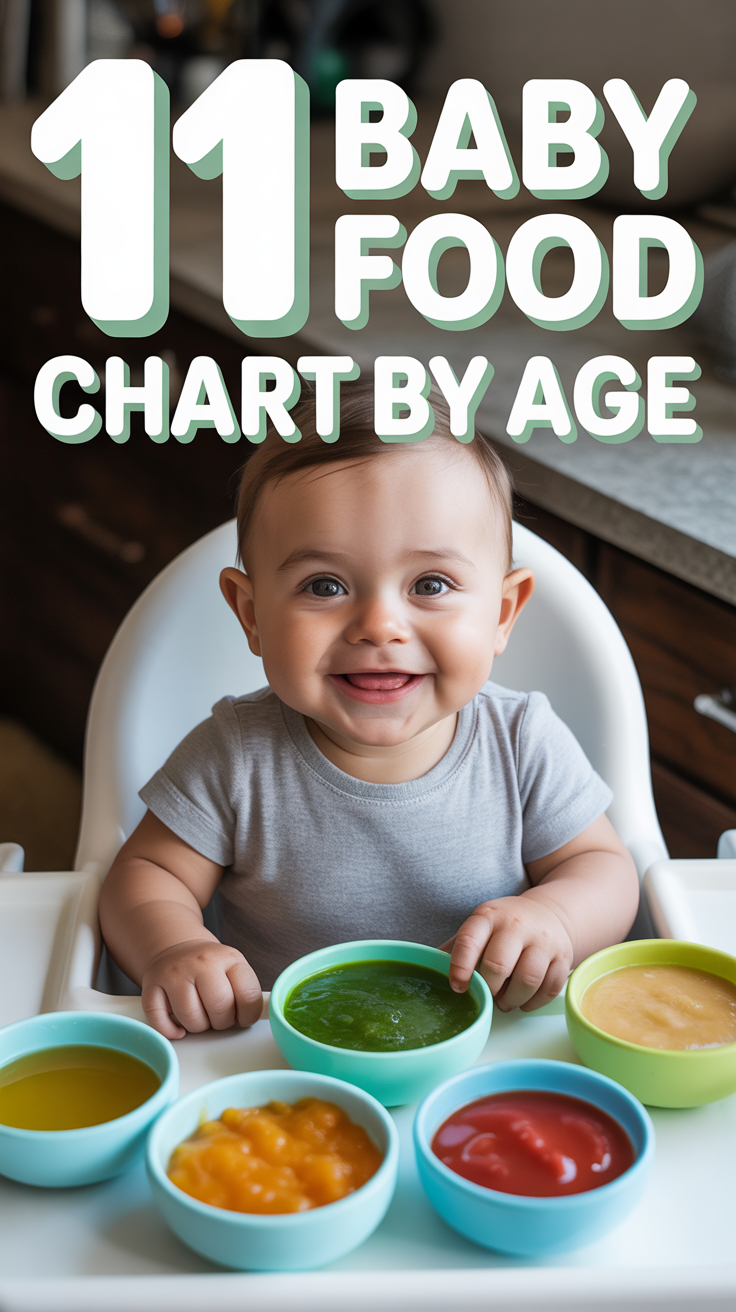
👶 11 Baby Food Chart By Age
So, you’ve got a tiny human, huh? Congrats! Now, about feeding that adorable, ever-hungry little monster – it’s less ‘wing it’ and more ‘strategic culinary mission.’ Don’t sweat it, we’re diving into the glorious world of baby food, age by age, so you can ditch the guesswork and get to the fun part (aka, watching them wear most of it).
1. First Sips: When to Start Solids
Alright, listen up, because timing is everything. Generally, around 6 months is the sweet spot for starting solids. Your little munchkin needs to show some serious signs of readiness: good head control, sitting up with support, and that adorable habit of opening their mouth when food comes near. Pro tip: Chat with your pediatrician before you start spoon-feeding. They’ve got the final say and can confirm your baby’s truly ready for their foodie journey. This step ensures you’re not rushing things and setting them up for success.
2. Single-Ingredient Purees: The OG Start
Once you get the green light, it’s time for the classics. Think single-ingredient, smooth purees. We’re talking rice cereal (iron-fortified, please!), sweet potato, avocado, or even some super-mellow peas. Stick to one new food every few days to watch for any reactions. This methodical approach helps pinpoint any potential allergies early on, making you a super-sleuth parent.
3. Veggie First, Always: Green Machine
Here’s a hot take: Start with veggies, not fruits. Your baby’s palate is a blank canvas, so let’s introduce those earthy, savory flavors first. Think pureed carrots, green beans, or butternut squash. If you lead with fruit, they might develop a preference for sweetness, making those healthy greens a tougher sell later. Trust us, future you will thank present you for this strategic move.
4. Fruity Fun: Sweet Treats (Carefully)
Okay, once they’re cool with veggies, bring on the fruit! But remember, we’re still keeping it simple. Pureed apples, bananas, pears, or peaches are usually big hits. Just make sure there’s no added sugar – fruit is sweet enough on its own, thank you very much. This introduces natural sweetness without creating a sugar fiend.
5. Grain Game Strong: Cereals & Beyond
Beyond rice cereal, there’s a whole world of grains waiting. Think oatmeal, barley, or multi-grain cereals, all iron-fortified, naturally. You can mix them with breast milk, formula, or even a little water. Pro tip: Don’t be afraid to try different textures as they get older – a little chew is good. This expands their palate and provides essential nutrients.
6. Protein Power-Ups: Meats & Legumes
Time to build some muscle, literally! Around 7-8 months, you can start introducing pureed meats like chicken, turkey, or beef. Don’t forget plant-based proteins like pureed lentils or black beans. They’re packed with iron, which babies need. Ensure everything is super smooth to avoid choking hazards. This stage is crucial for their growth and development.
7. Finger Food Frenzy: Self-Feeding Starts
Around 8-9 months, your baby might start eyeing your plate with serious intent. This is prime time for finger foods! Think soft, pea-sized pieces of cooked veggies, soft fruits, or small bits of cheese. They should be easy to gum and dissolve. Pro tip: Always supervise meal times like a hawk. This fosters independence and fine motor skills.
8. Texture Town: Lumpy & Bumpy
No more silky smooth purees, folks! By 9-10 months, it’s time to introduce more texture. Think mashed foods, finely chopped soft foods, and small, soft chunks. They’re developing their chewing skills, so give those gums a workout. This prepares them for a wider variety of foods and textures down the line.
9. Allergen Introduction: The Big Eight
This one’s a biggie. The latest advice says to introduce common allergens early and consistently, around 6 months (after starting other solids). Think peanut butter (thinned), eggs, dairy, and fish. Do it one at a time, watching for reactions. Your pediatrician can give you the exact lowdown. Early introduction can actually reduce allergy risk – who knew?
10. Dairy Delights: Yogurt & Cheese
Around 9-12 months, plain, whole-milk yogurt and mild cheeses become fair game. Skip the sweetened stuff – plain is perfect! These are great sources of calcium and protein. Pro tip: Avoid cow’s milk as a primary drink until after age one, but a little in food is fine. This adds more variety and nutrients to their diet.
11. Table Food Takeover: Family Meals
By their first birthday, your little one should be pretty much eating what you eat (with some modifications, of course). Think cut-up versions of your family meals, just less salt and no added sugar. They’re officially part of the dinner club! This is the ultimate goal – integrating them into family meal times.
Conclusion
Phew, you made it! Remember, this isn’t a rigid rulebook, it’s more of a super-helpful guideline. Every baby is their own tiny, adorable individual with unique needs and preferences. So, relax, have fun, and enjoy watching your little one explore the delicious world of food. You’ve got this, culinary superstar!