🥑 15 First Foods For 6 Month Old
🍼 The Newborn Survival Kit
The first six months of parenthood are a blur of exhaustion. Stop trying to tough it out—these are the 5 absolute life-saving baby essentials that experienced moms literally refuse to live without. They will instantly solve your biggest sleeping, feeding, and soothing struggles.
🌙 Hatch Rest Baby Sound Machine
The ultimate sleep hack. You can entirely control this white noise machine and dimmable nightlight from your smartphone, meaning you never have to accidentally wake the baby while sneaking back out of the nursery after a 3 AM feeding.
🤧 FridaBaby NoseFrida Snotsucker
It sounds incredibly gross until your baby has their first cold and literally cannot breathe to sleep. Throw away those useless hospital bulb syringes—this doctor-invented tool safely clears congestion in seconds, and yes, the filter absolutely prevents any germs from reaching you.
💧 Haakaa Silicone Manual Breast Pump
Every breastfeeding mom's best kept secret. Simply suction this cheap, cord-free silicone cup to the opposite breast while you nurse to effortlessly catch every drop of liquid gold letdown that would otherwise leak onto your shirt and be totally wasted.
🧴 Aquaphor Baby Healing Ointment
Forget buying ten different expensive, highly-fragranced creams. This is the only ointment you need. It miraculously cures severe diaper rash overnight, heals cracked nursing nipples, soothes baby eczema, and aggressively protects delicate skin from harsh winter wind.
☁️ Burt's Bees 100% Organic Burp Cloths
You will go through dozens of these a day, so do not cheap out on thin fabric. These thick, ultra-absorbent organic cotton cloths actually catch massive spit-ups before they ruin your only clean outfit, while remaining incredibly soft against your newborn's face.
Alright, listen up, new parents. Your tiny human is officially ready to ditch the all-liquid diet and dive into the glorious, messy world of solids. No more just milk or formula, folks. We’re talking real food, real fun, and probably a real huge mess. But hey, that’s part of the charm, right. Get ready to witness some epic food faces and maybe a few spit-outs. It’s all part of the journey. Let’s get these little gourmands started on the good stuff.
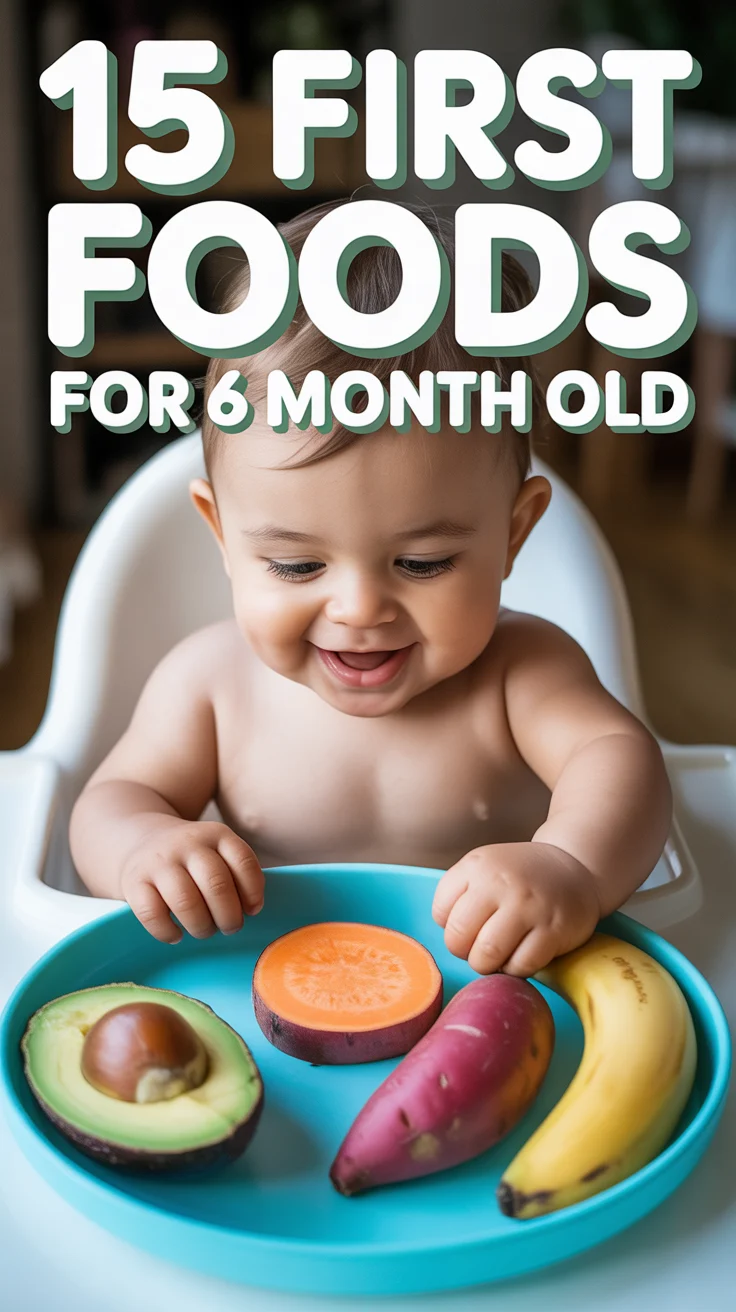
1. Avocado
This green goddess is practically designed for baby’s first bite. It’s super soft, packed with healthy fats for brain development, and ridiculously easy to prepare. Just mash it up or cut it into finger-sized spears if your little one is ready for self-feeding.
Pro Tip: Mix a tiny bit of breast milk or formula into mashed avocado to make it extra creamy and familiar. Your baby will thank you with fewer suspicious stares.
It’s the ultimate starter food because it’s nutritious and requires zero cooking skills beyond mashing.
2. Sweet Potato
Move over, regular potatoes, there’s a new tuber in town. Sweet potatoes are naturally sweet, loaded with beta-carotene, and blend into a wonderfully smooth puree. Steam or bake them until fork-tender, then mash or blend.
Pro Tip: Roast a whole batch and freeze individual portions. You’ll be a meal prep master without even trying.
Babies usually adore the mild sweetness, making it a win right out of the gate.
3. Banana
The original grab-and-go snack, even for babies. Bananas are soft, sweet, and don’t need any cooking. Mash them up, or if your baby is showing interest in solids, offer a ripe piece for them to gum on.
Pro Tip: Don’t introduce too much too fast; bananas can sometimes cause a bit of constipation. Balance is key.
It’s a convenient, nutrient-dense choice that feels like a treat.
4. Iron-Fortified Cereal
This classic often gets a bad rap, but it’s a solid choice for its iron content, which babies need around six months. Go for single-grain options like rice or oat cereal mixed with breast milk, formula, or water.
Pro Tip: Start with a thin consistency and gradually thicken it as your baby gets used to it. No need to rush.
It’s a straightforward way to boost iron intake and introduce a new texture.
5. Pureed Peas
Peas are tiny, mighty, and full of vitamins. Steam them until soft, then puree them with a little liquid. They have a slightly sweet flavor that most babies find appealing.
Pro Tip: Don’t be afraid to leave a few tiny lumps for texture exploration once your baby is comfortable with smooth purees.
These little green gems offer a gentle introduction to vegetables beyond the super sweet ones.
6. Butternut Squash
Another vibrant orange veggie coming in hot with vitamins A and C. Butternut squash is naturally sweet and roasts up beautifully, creating a silky-smooth puree.
Pro Tip: Roasting brings out its natural sweetness even more than steaming. Trust us on this one.
It’s a delicious and nutritious option that adds variety to their veggie repertoire.
7. Broccoli
Yes, even broccoli can be a baby food. Steam florets until they are super soft, then mash or puree. You can also offer larger, very soft florets for baby-led weaning. It’s packed with fiber and vitamin C.
Pro Tip: Don’t overcook it to the point of turning gray, but ensure it’s soft enough to be easily gummed.
Introducing a wider range of flavors early can help prevent picky eating later.
8. Carrots
Sweet, colorful, and loaded with beta-carotene, carrots are a baby food staple. Steam or boil them until very tender, then mash or puree. They have a natural sweetness that makes them universally loved.
Pro Tip: Make sure they are super soft to avoid any choking hazards. Hard carrots are a no-go.
A classic for a reason, carrots are easy to digest and packed with good stuff.
9. Plain, Full-Fat Yogurt
Once your pediatrician gives the green light, plain, full-fat yogurt is fantastic. It’s a great source of calcium, protein, and probiotics. Avoid added sugars; plain is the way to go.
Pro Tip: Mix in a little fruit puree for natural sweetness once your baby is used to the plain taste.
This creamy treat introduces dairy and supports gut health, a total win-win.
10. Apples
Stewed or baked apples are perfect for little ones. Raw apples are too hard for a 6-month-old, but cooking them makes them soft and easy to mash or puree. They’re a good source of fiber.
Pro Tip: Peel the apples before cooking to avoid any tough skin pieces in the puree.
A gentle, naturally sweet fruit that’s easy on tiny tummies.
11. Pears
Much like apples, pears are best served cooked and pureed or mashed for a 6-month-old. They are naturally sweet and often a good choice for babies prone to constipation due to their high fiber content.
Pro Tip: Choose ripe pears for the best flavor and easiest mashing. The softer, the better.
A soothing, sweet fruit that’s great for digestive comfort and taste buds.
12. Chicken
Yes, meat. Iron deficiency can be a concern, and chicken is a fantastic source of heme iron. Puree cooked chicken breast with a little breast milk, formula, or low-sodium broth until it’s super smooth.
Pro Tip: Cook chicken thoroughly and blend it until there are absolutely no chunks. Safety first.
Introducing protein early is smart for growth and development, and chicken is a lean option.
13. Lentils
These tiny legumes are nutritional powerhouses, offering protein, fiber, and iron. Cook them until very soft, then mash or puree. Red lentils break down easily and make a smooth consistency.
Pro Tip: Soak lentils before cooking to potentially aid digestion for sensitive tummies.
A plant-based protein and iron source that adds variety to their diet.
14. Tofu
A versatile plant-based protein that’s super soft and easy for babies to eat. Choose soft or silken tofu, mash it, or cut it into small, gum-able cubes if your baby is ready.
Pro Tip: Tofu takes on the flavor of whatever you mix it with. Try mashing it with a fruit or veggie puree.
It’s an excellent option for exploring different textures and protein sources.
15. Hummus
Store-bought hummus can be high in sodium, so consider making your own with chickpeas, tahini, lemon (optional, small amount), and water. Thinly spread it on a soft cracker or offer a small dollop. Chickpeas are full of protein and fiber.
Pro Tip: Skip the salt and spices for baby’s portion. Keep it bland and pure.
A flavorful, nutrient-dense spread that offers a new taste and texture experience.
🧩 The Toddler Sanity & Learning Kit
Toddlers are tiny tornados. Instead of turning on the iPad in a moment of desperation, these 5 open-ended toys and clever tools foster independent, screen-free play while simultaneously saving your house from milk spills and crayon disasters.
🧱 Magna-Tiles 100-Piece Building Set
The undeniable king of open-ended play. It is the one single toy that a 2-year-old and a 10-year-old will both happily play with for an hour straight. They develop spatial reasoning, math skills, and independent focus—worth absolutely every penny.
🥛 Munchkin Miracle 360 Trainer Cups
Stop wiping up milk puddles. These genius, dentist-recommended cups allow kids to drink from anywhere around the rim like a real glass, but they instantly seal themselves the second the child stops drinking—even if they drop it on the floor.
🎧 Yoto Mini Kids Audio Player
The ultimate distraction for car rides or quiet time without the guilt of handing over a glowing screen. Kids control it completely by inserting physical cards to play audiobooks, music, and educational podcasts completely independently.
🧹 Melissa & Doug Wooden Cleaning Set
Toddlers desperately want to do exactly what you do. This kid-sized, highly durable wooden sweeping and mopping set redirects their chaotic energy into productive, confidence-building life skills while you actually get the real cleaning done in peace.
🎒 Montessori Travel Busy Board
The secret to surviving restaurants and airplanes with a two-year-old. Packed with buckles, zippers, shoelaces, and snaps, this soft, lightweight 'briefcase' develops critical fine-motor skills and keeps busy little hands occupied for surprisingly long stretches.
Conclusion
There you have it, folks. Fifteen fantastic first foods to kickstart your baby’s culinary journey. Remember, it’s less about perfection and more about exploration. Don’t stress too much, embrace the mess, and enjoy watching your little one discover a whole new world of flavors. Happy feeding.