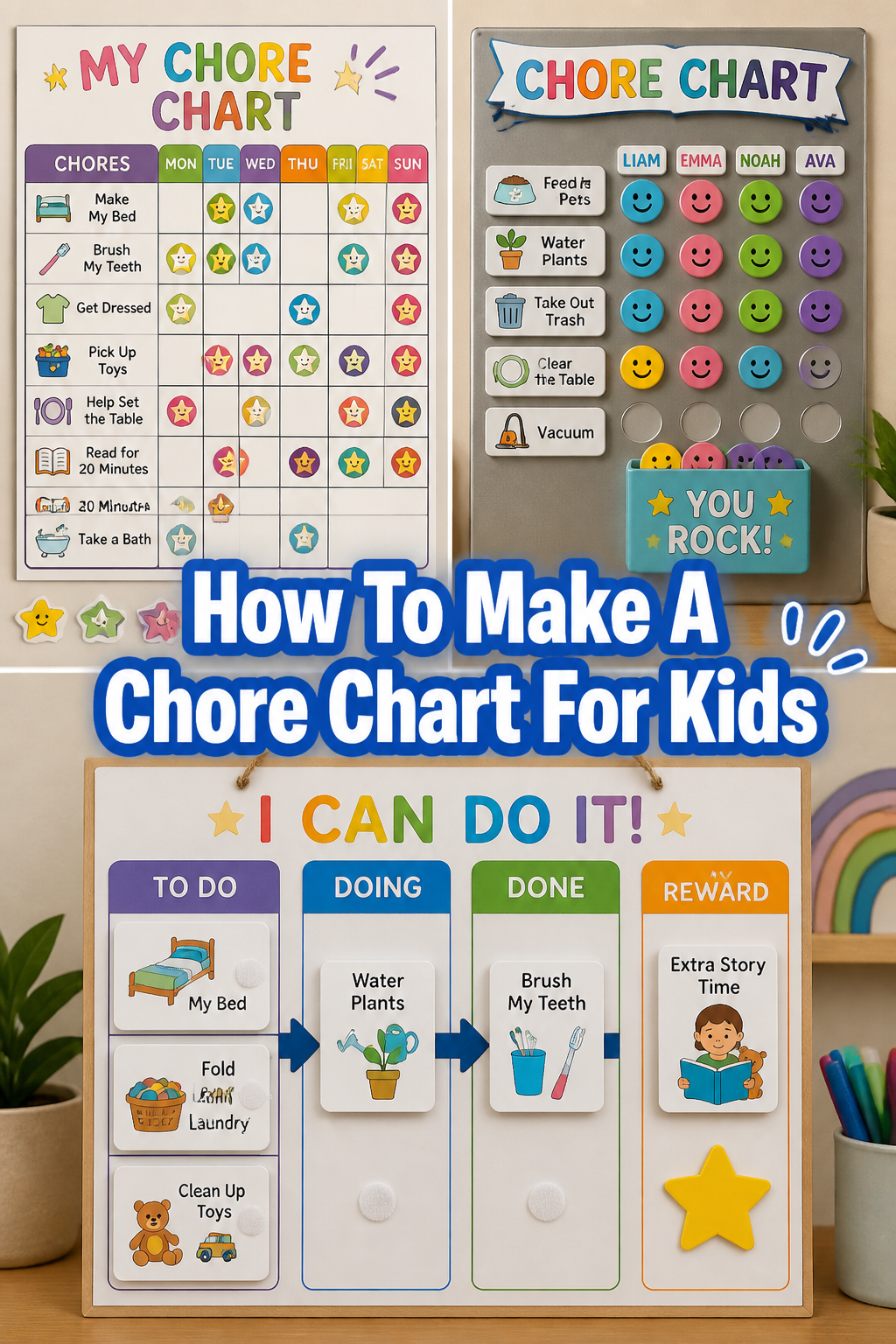
✨ How To Make A Chore Chart For Kids
🍼 The Newborn Survival Kit
The first six months of parenthood are a blur of exhaustion. Stop trying to tough it out—these are the 5 absolute life-saving baby essentials that experienced moms literally refuse to live without. They will instantly solve your biggest sleeping, feeding, and soothing struggles.
🌙 Hatch Rest Baby Sound Machine
The ultimate sleep hack. You can entirely control this white noise machine and dimmable nightlight from your smartphone, meaning you never have to accidentally wake the baby while sneaking back out of the nursery after a 3 AM feeding.
🤧 FridaBaby NoseFrida Snotsucker
It sounds incredibly gross until your baby has their first cold and literally cannot breathe to sleep. Throw away those useless hospital bulb syringes—this doctor-invented tool safely clears congestion in seconds, and yes, the filter absolutely prevents any germs from reaching you.
💧 Haakaa Silicone Manual Breast Pump
Every breastfeeding mom's best kept secret. Simply suction this cheap, cord-free silicone cup to the opposite breast while you nurse to effortlessly catch every drop of liquid gold letdown that would otherwise leak onto your shirt and be totally wasted.
🧴 Aquaphor Baby Healing Ointment
Forget buying ten different expensive, highly-fragranced creams. This is the only ointment you need. It miraculously cures severe diaper rash overnight, heals cracked nursing nipples, soothes baby eczema, and aggressively protects delicate skin from harsh winter wind.
☁️ Burt's Bees 100% Organic Burp Cloths
You will go through dozens of these a day, so do not cheap out on thin fabric. These thick, ultra-absorbent organic cotton cloths actually catch massive spit-ups before they ruin your only clean outfit, while remaining incredibly soft against your newborn's face.
Oh, the never-ending dance of keeping a tidy home with little ones! I remember feeling completely overwhelmed by the constant mess and the mental load of reminding everyone to pitch in. Then, a simple chore chart transformed our home from chaos to a surprisingly organized (most days!) haven.
It’s amazing how a clear visual guide can empower kids and lighten your load, making family life a little smoother and a lot more fun. This guide shares all my practical tips and tricks, learned through trial and error, to help you create a chore chart that actually works for your family.
Quick Overview
You’re about to create a fantastic system that teaches responsibility, builds teamwork, and brings a little more calm to your daily routine.
Get ready to see your kids proudly contributing to the family!
- Time needed: 1-2 hours for initial setup, 15 minutes weekly for maintenance
- Difficulty: Beginner
- What you’ll need: Paper, markers, printer (optional), laminator (optional), stickers or magnets, whiteboard or poster board
Step-by-Step Instructions
Step 1: Reflect on Your Family’s Needs and Goals
Before diving into glitter and stickers, take a moment to think about what you want to achieve with a chore chart.
Are you aiming for a cleaner house, more independent kids, or simply less nagging from your end? Understanding your “why” will guide your decisions.
- Consider your children’s current ages and developmental stages. What are they truly capable of doing, even with a little help?
- Identify the household tasks that consistently fall on your shoulders. Which ones could realistically be delegated?
- Think about your family’s daily rhythm. When are the best times for chores to happen without feeling rushed or stressful?
Pro Tip: Involve your older kids in this initial brainstorming session. When they feel like part of the solution, they’re much more likely to buy into the system. Ask them what they think they can contribute!
Step 2: Brainstorm Age-Appropriate Chores
This is where the fun begins! Let’s list some ideas that cater to different age groups, focusing on building skills and contributing to the family.
Remember, the goal is participation, not perfection.
- For Babies (0-18 months): While they won’t have a chore chart, you can start building habits. Encourage them to put toys in a basket with your help. Sing a clean-up song together.
- For Toddlers (18 months – 3 years): Simple, one-step tasks are perfect. Put away their shoes, throw trash in the bin, help put napkins on the table, stack books, or put dirty clothes in the hamper. Make it a game!
- For Preschoolers (3-5 years): They can do a bit more independently. Make their bed (loosely!), put away clean clothes (in drawers they can reach), feed a pet with supervision, wipe up spills, or help clear their plate after meals.
- For School-Age Kids (6-12 years): This is when real responsibility can blossom. Clean their room, load/unload the dishwasher, take out the trash, help with meal prep, walk the dog, or organize their school bag for the next day.
- For Teens (13+ years): They can handle more complex and less supervised tasks. Do their own laundry, prepare simple meals, help with yard work, run errands, or babysit younger siblings.
Step 3: Choose Your Chore Chart Style
Now for the creative part! There are so many ways to make a chore chart, from super simple to Pinterest-perfect. Pick a style that fits your family’s aesthetic and your available time.
The best chart is one you’ll actually use consistently.
- Magnetic Whiteboard Chart: A classic for a reason! Use a large whiteboard and colorful magnets for each chore and each child. You can even print small pictures of chores and glue them to magnets.
- Laminated Card System: Print out chore cards (with pictures for younger kids), laminate them for durability, and attach Velcro dots to stick them to a central board. Kids move the card from “To Do” to “Done.”
- Sticker Chart: Perfect for younger kids who love instant gratification. Draw a simple grid or list chores, and let them add a sticker for each completed task. A full row of stickers can earn a reward.
- Clip Chart: Create a chart with each child’s name and a list of daily or weekly chores. Use clothespins to track progress, moving them along as tasks are completed.
- DIY Photo Frame Chart: Print a pretty template, slide it into a large picture frame, and use a dry-erase marker on the glass. It looks polished and is easily wipeable.
Step 4: Design Your Chart with Fun and Clarity
This is where your chart comes to life! Make it visually appealing and easy for everyone to understand, especially little ones.
Think about what will motivate your specific kids.
- Use Visuals: For non-readers, include clear pictures or icons for each chore. You can find free printable chore icons online or draw them yourself.
- Color-Code: Assign each child a specific color for their name, tasks, or checkmarks. This makes it easy to see who is responsible for what at a glance.
- Keep it Simple: Don’t overcrowd the chart. Focus on 3-5 key chores per child per day or week. You can always add more later.
- Personalize It: Let kids decorate their section, choose their favorite stickers, or even help draw some of the chore pictures. This makes it “theirs.”
- Include Check-Offs: Whether it’s a dry-erase marker, a sticker, a magnet, or a clothespin, make sure there’s a clear way for kids to mark a chore as “done.” This provides a sense of accomplishment.
Pro Tip: Consider laminating any paper elements of your chart. This makes them spill-proof, tear-proof, and reusable, saving you time and effort in the long run.
Step 5: Define Rewards and Consequences (The “Why”)
Chores are about contributing to the family, but a little extra motivation never hurts! Think about what truly excites your kids beyond monetary incentives.
Rewards should be meaningful but not extravagant.
- Non-Monetary Rewards: Offer extra screen time, a special outing (like a trip to the park or library), choosing dinner for a night, a family game night, or a sleepover with a friend.
- Experiences: Plan a picnic in the backyard, a special craft session, or an extra story before bed. These foster family bonding and create lasting memories.
- Small Privileges: For older kids, earning the right to stay up a bit later on a Friday night, or having a friend over for a movie marathon, can be great motivators.
- Natural Consequences: If a chore isn’t done, explain the natural outcome. For example, “If your clothes aren’t put away, you might not find your favorite shirt for school tomorrow.”
- Connect to Family Fun: Frame chores as what needs to happen before the fun. “Once everyone’s chores are done, we can have our family movie night party!”
Step 6: Introduce the Chart with Enthusiasm
This isn’t just a new list; it’s a new family system! Make its introduction a positive, memorable event.
A little excitement goes a long way in gaining buy-in.
- Hold a Family Meeting: Gather everyone, present the chart, and explain how it will work. Emphasize that it’s a tool to help everyone contribute and make family life smoother.
- Practice Together: For younger kids, walk through each chore. Show them exactly how to put away their shoes or throw trash in the bin. Practice makes perfect (or at least, less messy!).
- Celebrate the Start: Make it a “Chore Chart Launch Party!” Have a special snack, put on some music, and talk about how exciting it is to work as a team.
- Explain the “Why”: Discuss how chores teach responsibility and life skills, and how a clean home makes everyone happier. Connect it to their future independence.
Step 7: Implement and Be Consistent
A chore chart is only as good as its implementation. Consistency is the magic ingredient that turns a chart into a habit.
This is where your “mom-voice” needs to be encouraging but firm.
- Daily Check-Ins: Set a specific time each day (e.g., after breakfast, before dinner) to review the chart together.
- Gentle Reminders: Instead of nagging, point to the chart. “What’s next on your chore chart today?” or “Looks like the chart says it’s time to put away your laundry.”
- Follow Through: If a reward is earned, give it promptly. If a chore isn’t done, implement the agreed-upon consequence calmly and consistently.
- Integrate into Routines: Link chores to existing routines. “After you get dressed for school, check your morning chores.” “Before we read bedtime stories, let’s make sure the living room is tidy.”
- Weekend Chore Blitz: For bigger weekly chores, designate a “Family Clean-Up Time” on Saturday mornings, putting on some upbeat music and tackling tasks together.
Step 8: Review and Adjust Regularly
Life changes, and so do kids’ abilities and interests. Your chore chart should evolve with your family.
Flexibility prevents burnout and keeps the system fresh.
- Schedule Check-Ins: Plan a quick family meeting every month or two to discuss what’s working and what’s not.
- Rotate Chores: Swap chores between kids to keep things interesting and teach a wider range of skills. This also prevents boredom.
- Update Chore Lists: As kids grow, add new, more challenging chores and remove ones they’ve outgrown.
- Refresh Rewards: If motivation wanes, ask your kids what new rewards might excite them. Keep it dynamic!
- Celebrate Progress: Acknowledge their efforts and improvements. A simple “I’m so proud of how you’ve been helping with dinner lately!” goes a long way.
Common Mistakes to Avoid
Overcomplicating the Chart
It’s easy to get excited and list every single task you wish your kids would do. However, a chart with too many items or a confusing layout can quickly become overwhelming for both you and your children. Start small, focus on a few key tasks, and gradually add more as they master the basics.
Inconsistent Follow-Through
This is probably the biggest pitfall. If you don’t consistently check the chart, remind kids, and apply rewards or consequences, the chart quickly loses its power. Kids learn what you tolerate, so be prepared to follow through every single time, especially in the beginning, to establish the new routine.
Making it a Punishment
Chores should be framed as a way to contribute to the family team, not as a punishment for misbehavior. If chores are only assigned when kids are in trouble, they’ll develop a negative association with them. Keep chores separate from disciplinary actions to maintain their positive purpose.
Expecting Perfection
Especially with younger kids, a “done” chore might not look exactly how you would do it. Focus on the effort and the act of contributing, rather than nitpicking every detail. Offer gentle guidance for improvement, but praise their willingness to help. The goal is building habits and responsibility, not creating mini-maids.
Troubleshooting
Kids Refuse to Do Chores
First, check if the chores are age-appropriate and clear. If they’re still resistant, try making it a game or doing the chore alongside them for a few days. Revisit the reward system—maybe what you’re offering isn’t motivating enough. Sometimes, a gentle reminder that “we all pitch in” and a calm consequence (e.g., no screen time until chores are done) is necessary.
The Chart Loses Its Spark
It’s natural for things to get stale. When interest wanes, it’s time for a refresh! Introduce new chores, rotate responsibilities, or change the chart’s design entirely. You could even have a “Chore Chart Re-Launch Party” with new stickers or a new theme to inject some excitement back into the routine. Ask your kids what they’d like to change.
Too Many Arguments About Chores
If chores are consistently causing conflict, it might be a sign that expectations aren’t clear, or the system needs tweaking. Review the chore descriptions together to ensure everyone understands what “clean your room” actually entails. Ensure rewards and consequences are consistent. Sometimes, simply giving kids more choice (e.g., “Would you like to do X or Y first?”) can reduce friction.
Key Takeaways
- Start small and simple with age-appropriate tasks to build confidence.
- Consistency in follow-through is the most critical factor for success.
- Involve your children in the planning and design process to foster ownership.
- Focus on positive reinforcement and non-monetary rewards for effort and contribution.
- Be flexible and willing to adjust your chart as your children grow and family needs change.
- Frame chores as a positive way to contribute to the family team, not a punishment.
Frequently Asked Questions
Should I pay my kids for chores?
For basic household chores that contribute to the family (like making their bed or clearing their plate), it’s generally recommended not to pay. These tasks teach responsibility and teamwork. However, you might consider paying for “extra” jobs beyond their regular contributions, like washing the car or a major yard clean-up, to teach about earning money.
How old should a child be to start chores?
Children can start contributing with very simple tasks as early as 18 months to 2 years old! Think about putting toys in a basket, throwing a napkin in the trash, or helping put shoes away. The key is to make it fun and involve them in the process, building good habits from a young age.
What if my child forgets their chores?
Gentle reminders are often sufficient initially. Point to the chart as a visual cue. If forgetfulness becomes a pattern, consider a natural consequence, such as “You can’t have screen time until your chores are checked off.” Make sure the consequence is directly related and calmly enforced.
How often should we update the chore chart?
It’s a good idea to review and update your chore chart every few months, or whenever there’s a significant change in your family’s routine or your child’s age. This keeps the chart relevant, prevents boredom, and allows you to introduce new challenges as your kids grow.
Our Top Recommended Finds
- Magnetic Dry Erase Board: Perfect for a visual, reusable chart that can be easily updated with different magnets or markers.
- Laminator Machine: An absolute game-changer for creating durable, reusable chore cards, reward coupons, or activity schedules.
- Fun Sticker Packs: A simple, inexpensive way to motivate younger kids and add a pop of personality to any chore chart.
Ready to Cultivate Capable Kids?
There you have it, mama! You’re now equipped with everything you need to create a chore chart that not only helps keep your home running smoothly but also empowers your kids to become responsible, contributing members of your family team.
Don’t wait for the “perfect” moment. Grab some supplies, involve your kids, and start today! You’ll be amazed at the positive ripple effect a well-designed chore chart can have on your home and your family’s dynamic.
Once you’ve mastered the chore chart, you might find yourself ready to tackle other family organization projects, like creating a dedicated family command center or even getting your kids involved in stress-free meal planning. Happy charting!