✨ How To Get A Boy To Like Me
🍼 The Newborn Survival Kit
The first six months of parenthood are a blur of exhaustion. Stop trying to tough it out—these are the 5 absolute life-saving baby essentials that experienced moms literally refuse to live without. They will instantly solve your biggest sleeping, feeding, and soothing struggles.
🌙 Hatch Rest Baby Sound Machine
The ultimate sleep hack. You can entirely control this white noise machine and dimmable nightlight from your smartphone, meaning you never have to accidentally wake the baby while sneaking back out of the nursery after a 3 AM feeding.
🤧 FridaBaby NoseFrida Snotsucker
It sounds incredibly gross until your baby has their first cold and literally cannot breathe to sleep. Throw away those useless hospital bulb syringes—this doctor-invented tool safely clears congestion in seconds, and yes, the filter absolutely prevents any germs from reaching you.
💧 Haakaa Silicone Manual Breast Pump
Every breastfeeding mom's best kept secret. Simply suction this cheap, cord-free silicone cup to the opposite breast while you nurse to effortlessly catch every drop of liquid gold letdown that would otherwise leak onto your shirt and be totally wasted.
🧴 Aquaphor Baby Healing Ointment
Forget buying ten different expensive, highly-fragranced creams. This is the only ointment you need. It miraculously cures severe diaper rash overnight, heals cracked nursing nipples, soothes baby eczema, and aggressively protects delicate skin from harsh winter wind.
☁️ Burt's Bees 100% Organic Burp Cloths
You will go through dozens of these a day, so do not cheap out on thin fabric. These thick, ultra-absorbent organic cotton cloths actually catch massive spit-ups before they ruin your only clean outfit, while remaining incredibly soft against your newborn's face.
You know, as parents, we want our kids to feel loved and accepted. It’s a natural thing for them to want to connect with others, whether it’s for friendship or a budding crush. I remember my own daughter coming to me with these questions, and it really made me think about the best ways to guide her.
This guide is all about empowering your child to be their best self, fostering genuine connections, and building confidence from the inside out. It’s about laying a foundation for healthy relationships, not just chasing a fleeting crush.

Quick Overview
This guide will help you equip your child with the skills and confidence to form meaningful connections and friendships. We’ll cover how to nurture their self-esteem and encourage positive social interactions.
- Time needed: Ongoing effort, but immediate tips can be implemented today.
- Difficulty: Beginner-Intermediate (requires consistent parental guidance).
- What you’ll need: Open communication, a supportive home environment, and a willingness to engage in fun activities.
Step-by-Step Instructions
Step 1: Nurture Self-Love and Confidence
The most attractive quality anyone can have is genuine self-confidence. This isn’t about arrogance, but a quiet assurance in who they are. Start early by praising effort, not just outcomes.
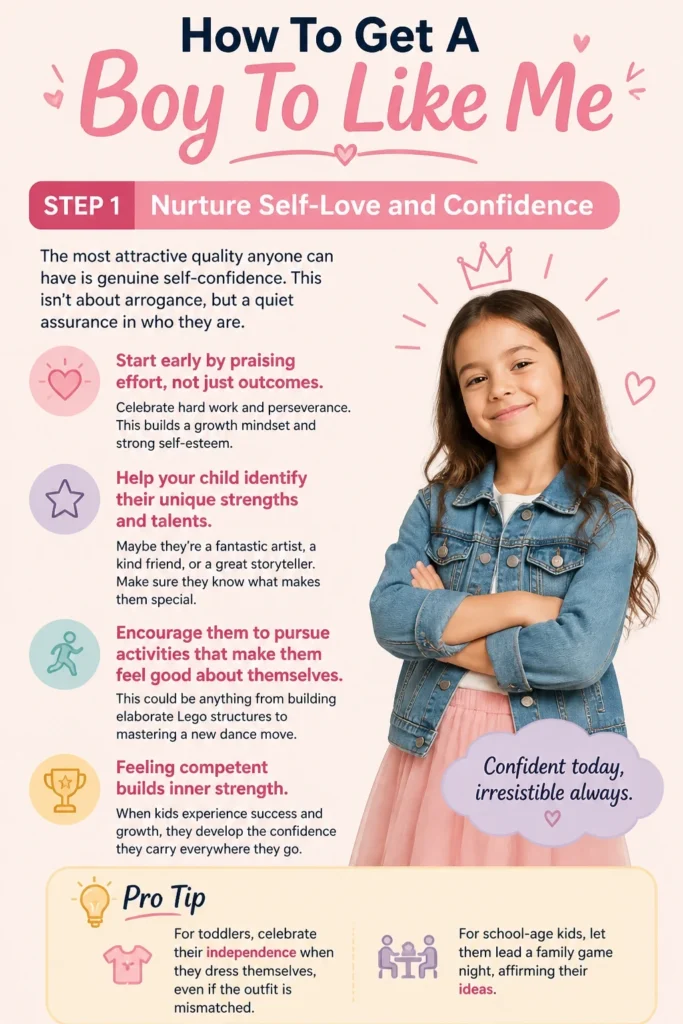
Help your child identify their unique strengths and talents. Maybe they’re a fantastic artist, a kind friend, or a great storyteller. Make sure they know what makes them special.
Encourage them to pursue activities that make them feel good about themselves. This could be anything from building elaborate Lego structures to mastering a new dance move. Feeling competent builds inner strength.
Pro Tip: For toddlers, celebrate their independence when they dress themselves, even if the outfit is mismatched. For school-age kids, let them lead a family game night, affirming their ideas.
Step 2: Cultivate Genuine Interests
Shared interests are natural conversation starters and bonding points. Encourage your child to explore various hobbies and passions. This makes them interesting and gives them common ground with others.
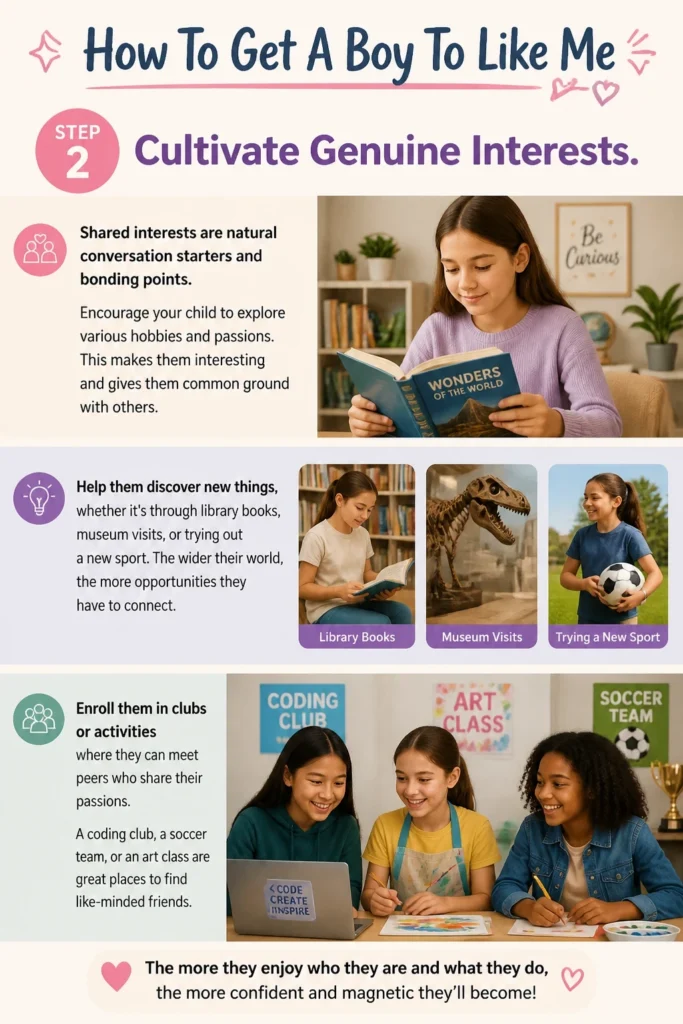
Help them discover new things, whether it’s through library books, museum visits, or trying out a new sport. The wider their world, the more opportunities they have to connect.
Enroll them in clubs or activities where they can meet peers who share their passions. A coding club, a soccer team, or an art class are great places to find like-minded friends.
Step 3: Model Kindness and Empathy
Children are always watching us. The way we treat others, express understanding, and resolve conflicts teaches them invaluable lessons. Be the example of the friend you want your child to be.
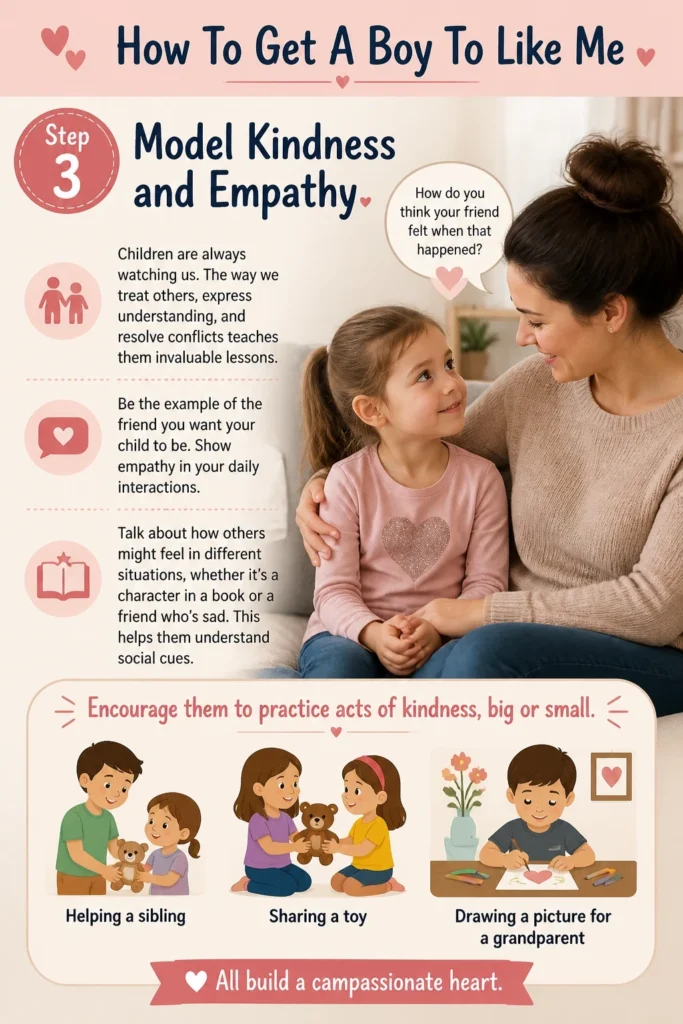
Show empathy in your daily interactions. Talk about how others might feel in different situations, whether it’s a character in a book or a friend who’s sad. This helps them understand social cues.
Encourage them to practice acts of kindness, big or small. Helping a sibling, sharing a toy, or drawing a picture for a grandparent all build a compassionate heart.
Step 4: Facilitate Positive Social Opportunities
Kids need chances to interact with others in a low-pressure environment. As a parent, you can create these opportunities. Think beyond just one-on-one playdates.
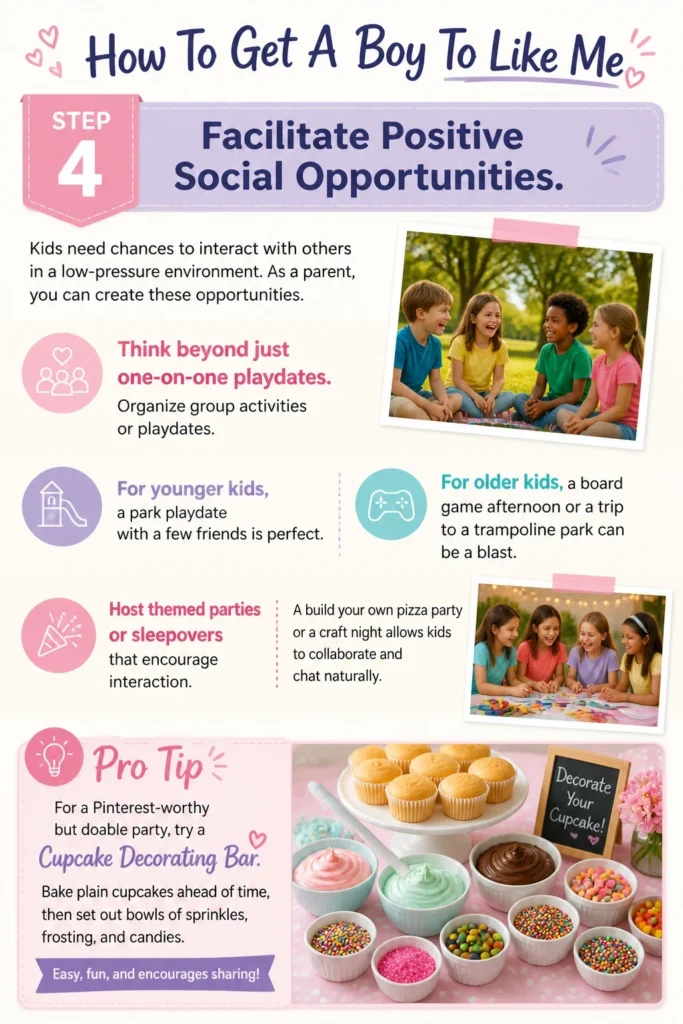
Organize group activities or playdates. For younger kids, a park playdate with a few friends is perfect. For older kids, a board game afternoon or a trip to a trampoline park can be a blast.
Host themed parties or sleepovers that encourage interaction. A “build your own pizza” party or a craft night allows kids to collaborate and chat naturally.
Pro Tip: For a Pinterest-worthy but doable party, try a “Cupcake Decorating Bar.” Bake plain cupcakes ahead of time, then set out bowls of sprinkles, frosting, and candies. Easy, fun, and encourages sharing!
Step 5: Teach Effective Communication Skills
Connecting with others requires clear and respectful communication. This means both speaking and listening. Help your child develop these essential social tools.
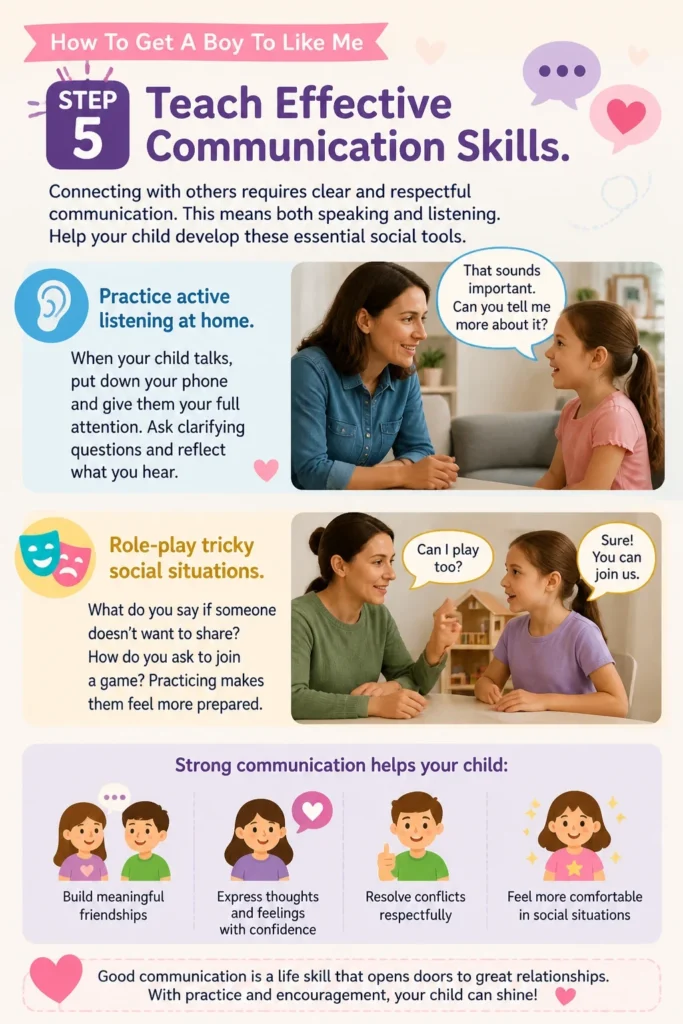
Practice active listening at home. When your child talks, put down your phone and give them your full attention. Ask clarifying questions and reflect what you hear.
Role-play tricky social situations. What do you say if someone doesn’t want to share? How do you ask to join a game? Practicing makes them feel more prepared.
Step 6: Embrace and Celebrate Individuality
True connection comes from being authentic. Encourage your child to be unapologetically themselves, quirks and all. Trying to be someone they’re not is exhausting and unsustainable.
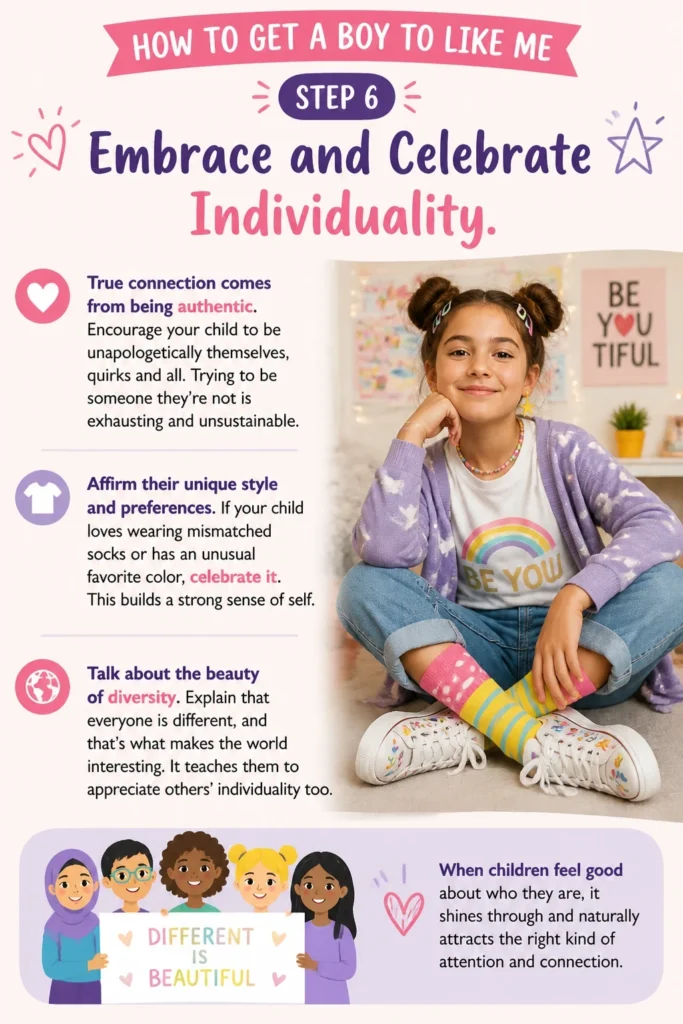
Affirm their unique style and preferences. If your child loves wearing mismatched socks or has an unusual favorite color, celebrate it. This builds a strong sense of self.
Talk about the beauty of diversity. Explain that everyone is different, and that’s what makes the world interesting. It teaches them to appreciate others’ individuality too.
Step 7: Support Healthy Friendships
Friendships are the training ground for all relationships, including future romantic ones. Help your child navigate the ups and downs of platonic friendships.
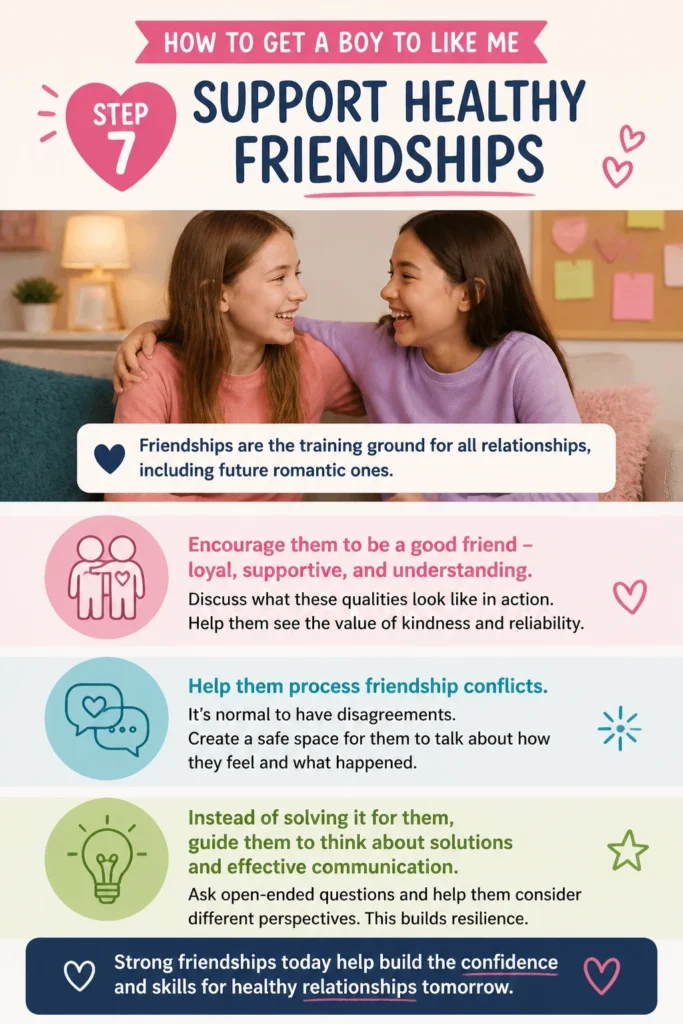
Encourage them to be a good friend – loyal, supportive, and understanding. Discuss what these qualities look like in action.
Help them process friendship conflicts. Instead of solving it for them, guide them to think about solutions and effective communication. This builds resilience.
Step 8: Handle Disappointment with Grace
Not every connection will blossom, and that’s okay. Learning to navigate rejection or unreciprocated feelings is an important life skill. It teaches resilience and self-worth.
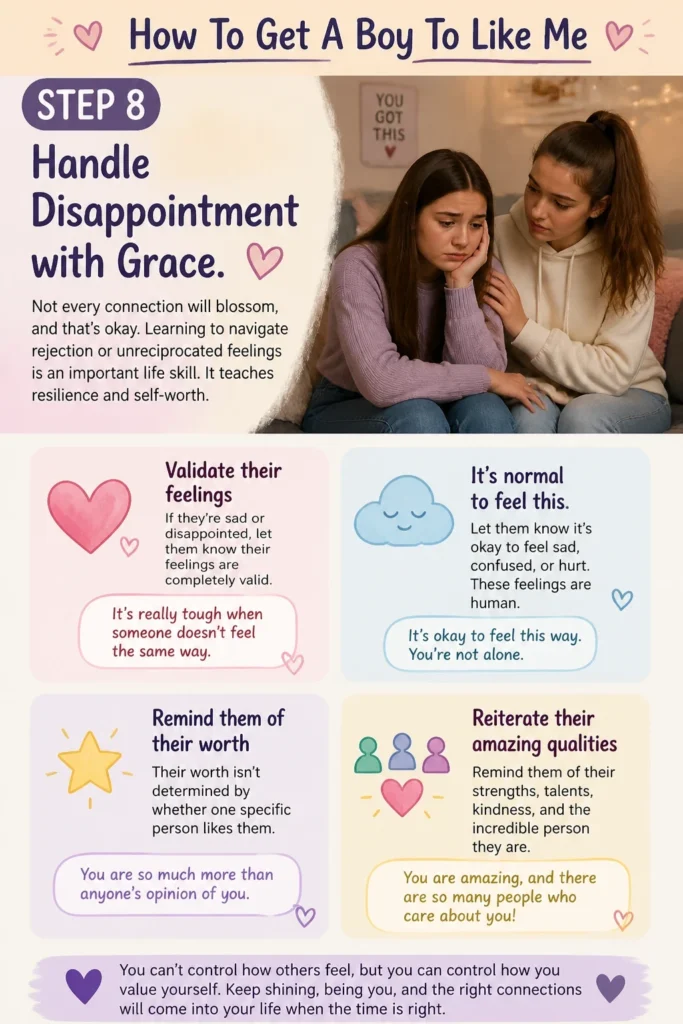
Validate their feelings if they’re sad or disappointed. “It’s really tough when someone doesn’t feel the same way.” Let them know it’s normal to feel this.
Remind them that their worth isn’t determined by whether one specific person likes them. Reiterate their amazing qualities and the many people who do care about them.
Common Mistakes to Avoid
Pressuring Your Child
Pushing your child to “make friends” or “talk to that boy” can backfire. It can make them anxious and self-conscious, turning social interactions into a chore rather than a joy. Instead, create opportunities and offer gentle encouragement. Let them take the lead when they’re ready, and be a supportive presence.
Focusing Only on External Appearance
While personal hygiene and age-appropriate grooming are important, obsessing over how your child looks can send the wrong message. It implies that their worth is tied to superficial things. Emphasize health, comfort, and expressing their unique style, rather than trying to fit a mold.
Dismissing Their Feelings
If your child expresses a crush or sadness over a social interaction, don’t brush it off as “silly” or “just a phase.” These feelings are very real to them. Listen actively, validate their emotions, and offer support and guidance. This builds trust and encourages them to confide in you.
Living Through Your Child
It’s easy to project our own past social anxieties or desires onto our children. Remember that their journey is their own. Let them make their own choices, learn from their experiences, and develop their own unique social circle, even if it’s different from what you might have imagined.
Troubleshooting
“My child is shy and doesn’t initiate conversations.”
Start small. Practice at home by having them order their own food at a restaurant or ask a store clerk a question. Role-play simple greetings. Instead of pushing them into big groups, try one-on-one playdates with a calm, friendly child first. Focus on building confidence in familiar settings before expanding.
“They’re only interested in screen time, not social activities.”
Set clear boundaries around screen time and offer appealing alternatives. Suggest a fun craft project, a bike ride, or a trip to the park. For school-age kids, consider a “friend challenge” where they earn extra screen time by inviting a friend over or joining an outdoor activity. Make social interaction feel like a reward, not a punishment.
“My child gets easily hurt when things don’t go their way socially.”
This is a tough one, but it’s a chance to build resilience. Talk about the “social toolbox.” What strategies can they use when a friend is upset or doesn’t want to play? Practice empathy by discussing why the other child might be feeling a certain way. Remind them that not every interaction will be perfect, and that’s part of learning and growing.
Key Takeaways
- Confidence is magnetic: Help your child build self-esteem from within.
- Authenticity shines: Encourage them to embrace their true selves, interests and all.
- Kindness is key: Model and teach empathy and compassionate behavior.
- Opportunities matter: Create low-pressure environments for social interaction.
- Communication is vital: Equip them with the skills to express themselves and listen to others.
- Resilience is learned: Support them through social ups and downs, teaching them to bounce back.
Frequently Asked Questions
Is it okay for my young child to have a “crush”?
Absolutely! For younger children, a “crush” is often a strong admiration for someone they think is cool, kind, or fun. It’s a normal part of social development and learning about different types of relationships. Listen to them, validate their feelings, and keep the conversation light and open.
How can I encourage my child to invite friends over?
Make your home a welcoming place! Have snacks ready, suggest fun activities like board games, crafting supplies, or outdoor play. You could even help them plan a simple themed afternoon, like a “DIY slime lab” for school-age kids or a “teddy bear picnic” for toddlers. Offer to help them reach out to friends’ parents.
What if my child is being teased or bullied?
This is serious and requires immediate attention. First, listen to your child without judgment and assure them you are there to help. Document incidents and contact their school or activity leader. Work with your child on strategies for dealing with bullies, and reassure them that it’s never their fault.
Should I talk to them about what to wear or how to act?
Focus on age-appropriate comfort and self-expression. For younger kids, clean clothes and good hygiene are enough. For pre-teens and teens, discuss what makes them feel confident while still being themselves. Encourage them to be respectful and kind, rather than trying to perform for others.
Our Top Recommended Finds
- “The Confidence Code for Girls” Book: A fantastic resource for school-age girls to build self-esteem and resilience.
- Art Supplies Kit: Encourages creativity and provides a fun, low-pressure activity for playdates or quiet self-expression.
- Cooperative Board Games: Games like “Outfoxed!” or “Sushi Go!” teach teamwork and good sportsmanship, fostering positive social interactions.
Building Bridges, One Heart at a Time
Remember, guiding your child in social situations is an ongoing journey, not a one-time fix. It’s about empowering them to be confident, kind, and authentic individuals who can form genuine connections with anyone, including boys. These skills will serve them well throughout their entire lives.
So, let’s start today. Pick one small step from this guide and put it into action. Maybe it’s planning a fun family activity that sparks a new interest, or simply taking a moment to truly listen to your child’s feelings. Every little bit helps them build the beautiful foundation of who they are.