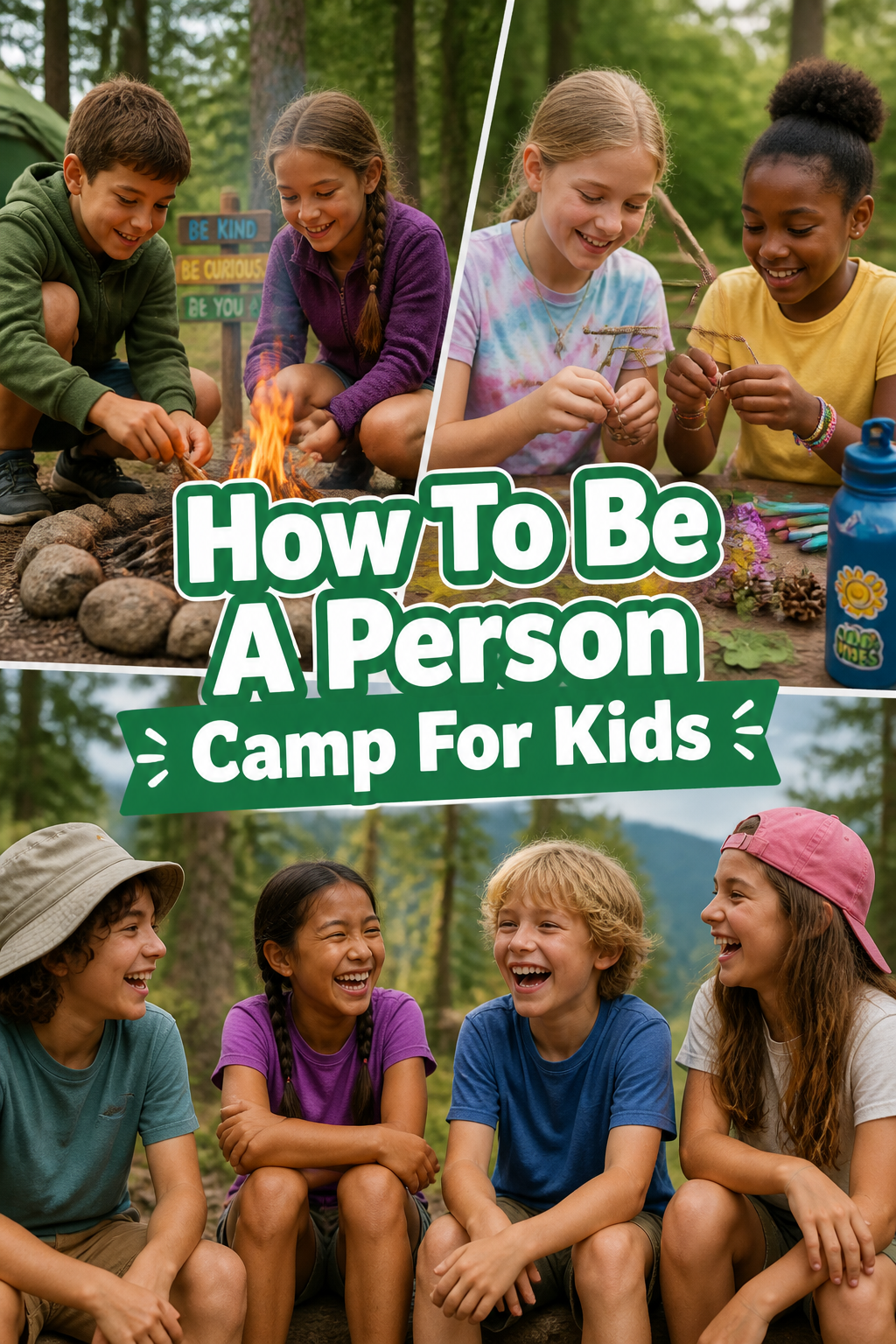
🏕️ How To Be A Person Camp For Kids
🍼 The Newborn Survival Kit
The first six months of parenthood are a blur of exhaustion. Stop trying to tough it out—these are the 5 absolute life-saving baby essentials that experienced moms literally refuse to live without. They will instantly solve your biggest sleeping, feeding, and soothing struggles.
🌙 Hatch Rest Baby Sound Machine
The ultimate sleep hack. You can entirely control this white noise machine and dimmable nightlight from your smartphone, meaning you never have to accidentally wake the baby while sneaking back out of the nursery after a 3 AM feeding.
🤧 FridaBaby NoseFrida Snotsucker
It sounds incredibly gross until your baby has their first cold and literally cannot breathe to sleep. Throw away those useless hospital bulb syringes—this doctor-invented tool safely clears congestion in seconds, and yes, the filter absolutely prevents any germs from reaching you.
💧 Haakaa Silicone Manual Breast Pump
Every breastfeeding mom's best kept secret. Simply suction this cheap, cord-free silicone cup to the opposite breast while you nurse to effortlessly catch every drop of liquid gold letdown that would otherwise leak onto your shirt and be totally wasted.
🧴 Aquaphor Baby Healing Ointment
Forget buying ten different expensive, highly-fragranced creams. This is the only ointment you need. It miraculously cures severe diaper rash overnight, heals cracked nursing nipples, soothes baby eczema, and aggressively protects delicate skin from harsh winter wind.
☁️ Burt's Bees 100% Organic Burp Cloths
You will go through dozens of these a day, so do not cheap out on thin fabric. These thick, ultra-absorbent organic cotton cloths actually catch massive spit-ups before they ruin your only clean outfit, while remaining incredibly soft against your newborn's face.
Parenting is a beautiful adventure, full of giggles, scraped knees, and endless questions.
Sometimes, though, it feels like we’re just winging it, hoping our little humans somehow learn all the important “person” skills along the way.
I’ve been there, staring at a mountain of laundry and wondering if my kids would ever learn to put their socks away. That’s why I cooked up this “How To Be A Person Camp,” turning everyday lessons into fun, memorable experiences for my own family.
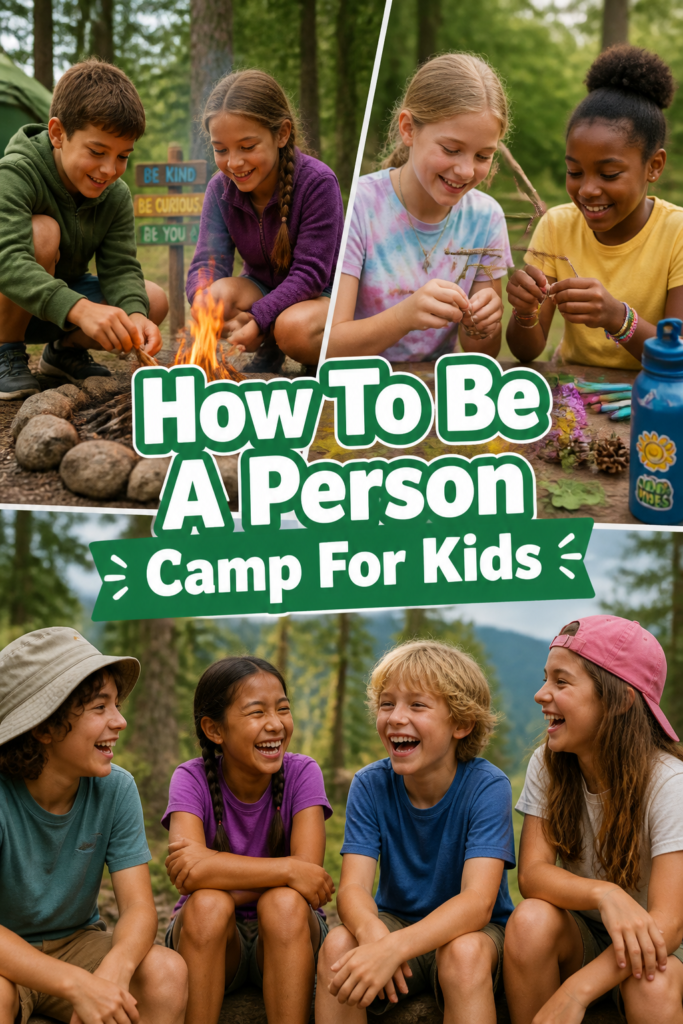
Quick Overview
This guide will help you create a fun, engaging “camp” experience right at home, focusing on practical life skills, emotional growth, and plenty of family bonding.
- Time needed: A few dedicated hours spread across a weekend or a week, or integrate activities into daily life.
- Difficulty: Beginner
- What you’ll need: Basic craft supplies, household items, a sprinkle of imagination, and a lot of love.
Step-by-Step Instructions
Step 1: Set the Stage for Adventure
Decide on a “camp theme” to make it feel special. Think “Superhero Training Academy,” “Explorer’s Expedition,” or “Kindness Crew Headquarters.”
This theme will tie all your activities together, making chores and lessons feel like part of a bigger mission. A simple banner or a designated “camp zone” in your living room works wonders.
Create a “Camp Handbook” or a simple schedule. Even a piece of paper with drawn pictures can excite younger kids. For school-age children, let them help design it!
Pro Tip: Involve your kids from the very beginning. Asking for their input on themes or activities instantly boosts their enthusiasm and sense of ownership.
Step 2: Master Daily Routine Missions
Transform everyday tasks into exciting missions. This is where basic self-care and household contributions come into play.
For babies, practice tummy time with engaging toys and gentle songs, laying the groundwork for physical independence. For toddlers, make getting dressed a “fashion show” or “superhero costume” challenge.
School-age kids can earn “skill badges” for making their bed, packing their lunch, or helping with dinner prep. Use a simple sticker chart for visual progress.
Introduce “The Great Toothbrush Race” to make oral hygiene fun. Play a favorite song while brushing for two minutes, ensuring everyone brushes long enough.
Step 3: Cultivate Kindness and Empathy
Explore emotions through stories and play. Read books about feelings and discuss what characters might be feeling and why.
For toddlers, use a “feelings mirror” to practice making happy, sad, or surprised faces. This helps them connect facial expressions to emotions.
With school-age kids, create “Kindness Rocks.” Paint rocks with uplifting messages and leave them in public places for others to find, spreading joy in your community.
Practice active listening by playing “Tell Me Everything.” One person talks about their day while others listen without interrupting, then summarize what they heard.
Step 4: Spark Creative Learning & Play
Dive into simple, Pinterest-worthy crafts that are actually doable. Think “nature collages” using leaves, twigs, and flowers collected on a walk.
For babies, set up a safe “sensory bin” with cooked pasta, water, or soft fabrics to explore textures. Always supervise closely.
Toddlers love “process art.” Give them big paper and washable paints, letting them explore colors and textures without worrying about a perfect outcome.
School-age children can design and build a “fort city” using blankets, pillows, and chairs. This encourages problem-solving and imaginative play.
Step 5: Embrace Outdoor Adventures
Organize a “Backyard Safari” or a “Park Expedition.” Look for specific types of leaves, bugs, or cloud shapes.
For little ones, bring a blanket and some sensory toys for an outdoor “tummy time picnic.” Let them feel the grass and hear the birds.
Toddlers can help “plant a mini-garden” in a small pot, learning about nature and responsibility. Use easy-to-grow seeds like beans or sunflowers.
School-age kids can create a “nature journal,” drawing and writing about their observations. This fosters appreciation for the natural world.
Step 6: Plan a “Celebration of Skills” Party
Host a small party to celebrate all the new “person skills” learned. This reinforces their achievements and teaches celebration etiquette.
Involve kids in party planning. They can help choose a simple snack, like fruit skewers or decorated cookies, and assist with setting the table.
For a “Pinterest-worthy but easy” decoration, make a DIY balloon arch using an inexpensive kit from a craft store. It looks impressive without much effort.
Practice saying “thank you” by having each child express gratitude for something specific they enjoyed or learned during camp.
Step 7: Prepare for Sleepovers & Independence
Practice good guest etiquette during a family “living room camp-out.” Set up sleeping bags and tell stories.
For toddlers, focus on a consistent bedtime routine. Reading a specific “sleepover story” can help them feel secure and prepared for future nights away.
School-age kids can learn how to pack a small bag with essentials: pajamas, toothbrush, a favorite book or toy. Discuss what to do if they need help during a sleepover.
Talk about being a considerate guest – sharing, helping tidy up, and being polite. These are crucial social skills for growing up.
Step 8: Forge Family Bonding Traditions
Establish a “Family Fun Night” as a regular camp activity. This could be a board game night, a movie night with homemade popcorn, or a creative challenge.
For babies, cuddle and read board books together, building early literacy and connection. Their presence makes family time special.
Toddlers love “story time dress-up.” Read a favorite book and encourage them to dress up as a character, bringing stories to life.
School-age children can lead a “talent show” or a “family joke-telling session.” This encourages confidence and shared laughter.
Common Mistakes to Avoid
Over-scheduling Activities
Trying to cram too many structured activities into one day can lead to burnout for both you and your kids. Children, especially younger ones, need plenty of downtime and free play.
Instead, pick just one or two main “camp” activities for the day and let the rest of the time be flexible. Remember, the goal is fun and learning, not exhaustion.
Ignoring Age-Appropriate Engagement
Expecting a toddler to sit through a lengthy craft or a school-age child to be entertained by baby toys will quickly lead to disinterest and frustration. Tailor activities to developmental stages.
Always adapt your plans. For example, a “cooking lesson” for a toddler might mean stirring a bowl, while for an older child it means following a simple recipe and measuring ingredients.
Striving for Perfection
It’s easy to get caught up in making everything look exactly like a glossy magazine spread. Real life with kids is messy, and that’s perfectly okay.
Focus on the experience and the learning, not on a flawless outcome. A wonky craft or a slightly spilled snack means memories were made and skills were practiced.
Troubleshooting
Kids Lose Interest Quickly
If attention wanes, it’s often a sign that the activity is either too long, too complex, or not engaging enough for their current mood. Don’t force it; pivot instead.
Try switching to a completely different type of activity, like a quick dance party or a silly game. Sometimes a short break and then returning to the activity with a fresh perspective works wonders.
Sibling Squabbles During Activities
Arguments are a normal part of sibling relationships, especially when sharing supplies or collaborating. Use these moments as opportunities to teach conflict resolution.
Gently intervene and help them articulate their feelings using “I statements.” Guide them to find a compromise, like taking turns or finding a solution that works for both. Focus on fair play and kindness.
Parental Burnout
It’s wonderful to be an engaged parent, but even the most enthusiastic mom needs a break. Feeling overwhelmed is a sign you need to recharge.
Schedule “parent time-outs” within your camp structure. This could be 30 minutes where kids have independent play while you enjoy a cup of tea, or designating quiet time for everyone.
Key Takeaways
- Make learning fun: Turn everyday tasks into exciting “missions” or “challenges.”
- Tailor to age: Adapt activities to suit babies, toddlers, and school-age children for maximum engagement.
- Prioritize connection: Use camp activities as opportunities for family bonding and creating lasting memories.
- Embrace imperfection: Focus on the process and the joy, not on achieving a flawless, Pinterest-perfect result.
- Build life skills: Cover everything from self-care and chores to empathy and social graces.
- Involve your kids: Let them help plan and choose activities to boost their enthusiasm and ownership.
Frequently Asked Questions
How do I make time for this as a busy parent?
You don’t need to dedicate entire days. Pick one or two “camp” activities to integrate into your existing routine each day or week. Even 30 minutes of focused, fun learning can make a big difference.
What if my kids aren’t interested in the activities I plan?
It happens! Offer choices when possible, like “Do you want to make slime or paint rocks today?” If they still resist, don’t push it. Sometimes the best “camp” activity is just free play, which is crucial for development.
How can I make this feel special without spending a lot of money?
Creativity trumps cost! Use household items for crafts, explore your local park for adventures, and borrow books from the library. The magic comes from your presence and enthusiasm, not expensive supplies.
Can I do this with just one child, or is it better for siblings?
Absolutely! “How To Be A Person Camp” works beautifully whether you have one child or several. With a single child, you can tailor everything even more specifically to their interests. With siblings, it’s a great opportunity for teamwork and social skill building.
Our Top Recommended Finds
- Washable Tempera Paint Set: Essential for mess-friendly creative expression for all ages.
- Kids’ Aprons: Protect clothes during crafts and cooking, making kids feel like real pros.
- Story Cubes: Spark imaginative storytelling, perfect for quiet time or campfire stories.
Ready to Unleash Your Inner Camp Counselor?
You’ve got this, mama. Raising amazing humans is a journey, and this “How To Be A Person Camp” is just another fun, practical way to navigate it.
Think of it as adding a little extra sparkle to the everyday, building those essential life skills with laughter and love.
Why not pick one idea from this guide and try it out this weekend? Your family will thank you for the memories.