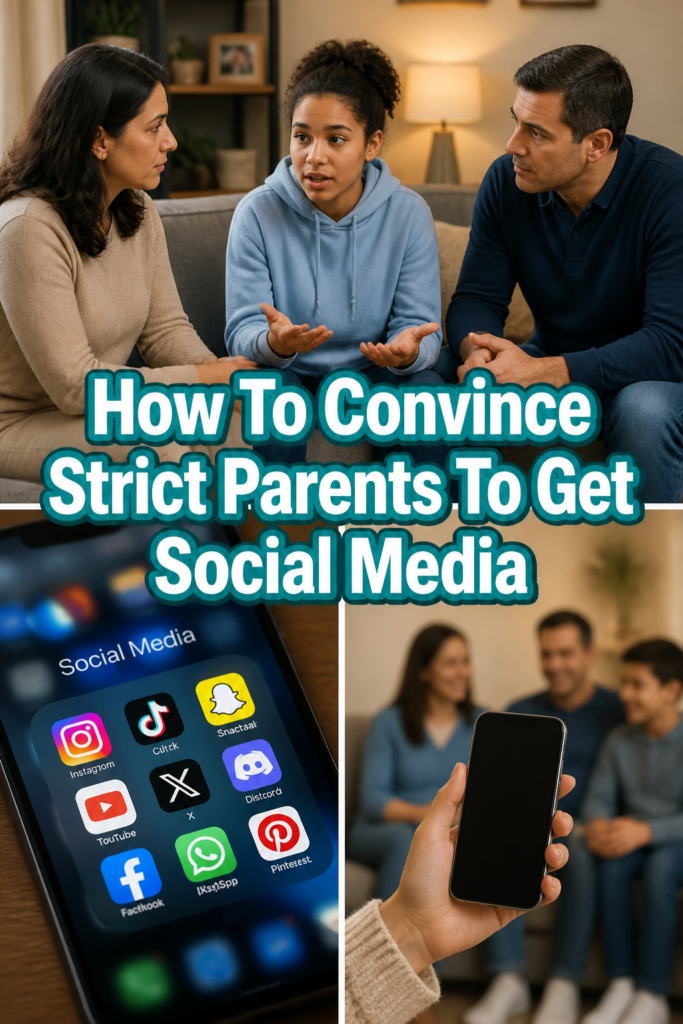
🤝 How To Convince Strict Parents To Get Social Media
🍼 The Newborn Survival Kit
The first six months of parenthood are a blur of exhaustion. Stop trying to tough it out—these are the 5 absolute life-saving baby essentials that experienced moms literally refuse to live without. They will instantly solve your biggest sleeping, feeding, and soothing struggles.
🌙 Hatch Rest Baby Sound Machine
The ultimate sleep hack. You can entirely control this white noise machine and dimmable nightlight from your smartphone, meaning you never have to accidentally wake the baby while sneaking back out of the nursery after a 3 AM feeding.
🤧 FridaBaby NoseFrida Snotsucker
It sounds incredibly gross until your baby has their first cold and literally cannot breathe to sleep. Throw away those useless hospital bulb syringes—this doctor-invented tool safely clears congestion in seconds, and yes, the filter absolutely prevents any germs from reaching you.
💧 Haakaa Silicone Manual Breast Pump
Every breastfeeding mom's best kept secret. Simply suction this cheap, cord-free silicone cup to the opposite breast while you nurse to effortlessly catch every drop of liquid gold letdown that would otherwise leak onto your shirt and be totally wasted.
🧴 Aquaphor Baby Healing Ointment
Forget buying ten different expensive, highly-fragranced creams. This is the only ointment you need. It miraculously cures severe diaper rash overnight, heals cracked nursing nipples, soothes baby eczema, and aggressively protects delicate skin from harsh winter wind.
☁️ Burt's Bees 100% Organic Burp Cloths
You will go through dozens of these a day, so do not cheap out on thin fabric. These thick, ultra-absorbent organic cotton cloths actually catch massive spit-ups before they ruin your only clean outfit, while remaining incredibly soft against your newborn's face.
Oh, this is a topic so many families navigate! It feels like a big hurdle, doesn’t it?
I remember when my eldest started asking about social media, and honestly, my first thought was “absolutely not.” But with a bit of planning and a lot of open conversation, we found a path forward that felt right for our family.
You can absolutely guide your family through this, creating a plan that respects everyone’s feelings and priorities.
Quick Overview
This guide will walk you through a thoughtful, step-by-step process to approach your parents about social media. You’ll learn how to prepare, present your case, and build trust for a successful outcome.
- Time needed: 2-4 weeks (for preparation and conversations)
- Difficulty: Intermediate
- What you’ll need: A calm attitude, a notepad, a pen, and an open mind.
Step-by-Step Instructions
Step 1: Understand Their Concerns Deeply
Before you even start talking, take time to genuinely think about why your parents might be hesitant. They’re likely worried about safety, privacy, cyberbullying, and academic distractions.
Put yourself in their shoes for a moment. They want to protect you, and that’s coming from a place of love. Acknowledge these worries mentally.
Step 2: Do Your Homework
Research the social media platforms you’re interested in. Look up their safety features, privacy settings, and community guidelines. Understand how to block, report, and manage your online presence.
Find out what parental controls are available. Many platforms offer tools for parents to monitor activity, screen time, or even approve followers.
Pro Tip: Turn this research into a family learning project! For younger siblings, you could research “digital citizenship” with fun, age-appropriate books. For example, read “A Click Away” by Sarah Magsamen and talk about online safety in simple terms. Even toddlers can learn about sharing and being kind, which translates to online behavior later.
Step 3: Create a Responsible Usage Plan
This is your chance to show maturity and foresight. Draft a “Social Media Agreement” outlining your proposed rules. This isn’t just about what you want, but about how you’ll use it responsibly.
Think about screen time limits, what kind of content you’ll share, who you’ll connect with, and what you’ll do if you encounter something uncomfortable. Consider proposing a “digital detox day” for the whole family once a week.
Step 4: Choose the Right Time and Place
Don’t spring this conversation on your parents when they’re stressed or busy. Pick a calm moment when everyone is relaxed, like after a family dinner or during a weekend afternoon.
A casual, comfortable setting is best. Maybe while you’re all doing a family activity, like baking cookies or working on a craft project together.
Step 5: Initiate a Calm, Open Conversation
Start by acknowledging their concerns directly. Say something like, “I know you’re worried about social media, and I understand why.” This validates their feelings and shows you’ve listened.
Then, explain why you want social media. Focus on positive aspects like connecting with friends for school projects, sharing creative hobbies, or keeping up with family far away. Avoid making it sound like “everyone else has it.”
Pro Tip: Involve younger siblings in a related craft project during this conversation. For instance, have them design “family rules” posters with crayons and glitter. This keeps them engaged and subtly reinforces the idea of boundaries and guidelines for everyone, even if it’s not about social media for them yet. For school-aged kids, you could make a “vision board” of positive online activities.
Step 6: Present Your Research and Plan
Share the information you gathered about platform safety features. Show them your proposed “Social Media Agreement.” This demonstrates your commitment to being responsible.
Be ready to discuss each point and be open to their suggestions or additions. This is a negotiation, not a presentation where you expect immediate approval.
Step 7: Propose a Trial Period and Gradual Introduction
Suggest starting with one platform, perhaps with stricter settings, for a trial period. This could be a month or two, giving everyone a chance to see how it goes.
During this time, agree to regular check-ins to discuss experiences and make adjustments. This incremental approach often feels less daunting for parents.
Step 8: Be Prepared for “No” (and What to Do Next)
They might still say no, or not right away. Don’t react emotionally or get angry. This will only reinforce their fears about your maturity.
Ask what specific concerns remain and what you can do to address them in the future. Listen carefully to their answers and use them to refine your plan.
Step 9: Build and Maintain Trust
If they agree, even to a trial, follow through on every single point in your agreement. Show them consistently that you are trustworthy and responsible.
If you make a mistake, own it, learn from it, and talk to them about it. Building trust is an ongoing process, not a one-time event.
Pro Tip: Keep up with family bonding activities even as you gain more online independence. Plan a weekly “tech-free” family game night or a craft session. For a fun, doable craft, try making friendship bracelets together. For school-aged kids, a “sleepover” in the living room with homemade pizza and a movie marathon is always a winner. It shows you value real-world connections too.
Step 10: Use Social Media Responsibly (and Positively)
Once you have access, use it in ways that make your parents proud. Share positive content, connect meaningfully, and be a good digital citizen.
Show them how you use it to enhance your life, whether it’s finding inspiration for a new school outfit, discovering unique party ideas, or connecting with friends about a cool craft project. This reinforces their decision to trust you.
Common Mistakes to Avoid
Demanding, Not Discussing
Coming to your parents with demands or an entitled attitude immediately puts them on the defensive. They will be less likely to listen or compromise if they feel cornered or disrespected. Instead, frame the conversation as a collaborative discussion, seeking their input and understanding their perspective.
Ignoring Their Concerns
Dismissing your parents’ worries as “overreactions” or “old-fashioned” is a quick way to shut down any productive conversation. They have legitimate reasons for their caution, often rooted in news stories or personal experiences. Show them you’ve truly considered their point of view by addressing their specific concerns with thoughtful solutions.
Lack of Preparation
Walking into the conversation without having researched platforms, safety settings, or a usage plan makes you seem unprepared and immature. This confirms their fears that you haven’t thought through the responsibilities involved. A well-researched proposal demonstrates maturity and a serious approach.
Reacting Emotionally to “No”
If your parents initially say no, or express strong hesitation, reacting with anger, tears, or sulking undermines your efforts. It suggests you’re not ready to handle disappointment maturely. Instead, stay calm, ask clarifying questions, and express your willingness to work towards a solution over time.
Troubleshooting
“My Parents Say ‘No’ Immediately”
If you face an immediate “no,” don’t despair. Ask them calmly, “What specifically are you most concerned about right now?” Listen without interrupting. Thank them for being honest, and then say, “Could I take some time to think about those specific concerns and come back to you with some ideas?” This buys you time to refine your plan and shows you’re taking their worries seriously.
“They Don’t Trust Me to Be Responsible”
Trust is earned over time. If this is the issue, focus on demonstrating responsibility in other areas of your life. Consistently complete chores, manage your schoolwork effectively, and follow family rules without prompting. You could even propose a “responsibility challenge” for yourself, like taking on a new chore or managing your own allowance, to prove your capability.
“They Think Social Media is a Waste of Time”
Highlight the educational and creative aspects. Show them examples of how social media can be used for positive things: finding inspiring art tutorials, connecting with educational communities, or even sharing your own creative projects like making a DIY centerpiece for a family party. You could even use it to find ideas for a fun family craft night, like creating personalized photo frames for family pictures.
Key Takeaways
- Acknowledge and Respect Parental Concerns: Start by understanding and validating your parents’ worries about social media.
- Thorough Research is Crucial: Educate yourself on platform safety features, privacy settings, and parental controls.
- Develop a Detailed Usage Plan: Create a proposed agreement outlining responsible use, screen time, and content guidelines.
- Choose the Right Time and Tone: Approach the conversation calmly and collaboratively, not as a demand.
- Propose a Trial Period: Suggest a gradual introduction with regular check-ins to build trust incrementally.
- Maintain Trust Through Consistent Responsibility: Follow through on your agreement and demonstrate maturity in all aspects of your life.
Frequently Asked Questions
What if my parents want to monitor my account?
Be open to this as a starting point. Many parents feel more comfortable with an initial period of monitoring. You could suggest they follow you, or have access to your password, with the understanding that as you prove your responsibility, this level of oversight can be re-evaluated. It’s about building trust.
How can I show them it won’t distract from schoolwork?
Propose specific rules about when you can use social media, such as only after homework is completed, or during designated free time. You could even suggest keeping your phone out of your room during study hours or at night. Demonstrate strong academic performance before and during the trial period.
My parents are worried about cyberbullying. What can I say?
Explain the blocking and reporting features available on platforms. Show them you understand how to use these tools and that you would come to them immediately if you experienced or witnessed any cyberbullying. Emphasize that your agreement includes open communication about online challenges.
Should I suggest specific platforms?
Yes, it’s helpful to suggest specific platforms, especially ones known for better safety features or age-appropriate content. Researching these platforms beforehand shows you’ve put thought into your choices. Focus on platforms where your friends are, but also highlight why you think this specific platform is a good fit.
Our Top Recommended Finds
- Family Agreement Template: Look for free printable “Social Media Contract” templates online. They provide a great starting point for your usage plan.
- Digital Citizenship Books: Books like “Dot” by Randi Zuckerberg or “Chicken Clicking” by Jeanne Willis offer fun ways to introduce online safety concepts to younger kids and frame the conversation for older ones.
- Screen Time Management Apps: Research apps like Google Family Link or Apple Screen Time. Understanding these tools can show your parents you’re serious about managing your usage.
Embracing Digital Life Together
Navigating the world of social media with your family might feel tricky, but it’s also a wonderful chance to grow together. Think of it as another step in your family’s journey, just like planning a memorable birthday party or tackling a fun new craft project.
By approaching this with careful thought and open hearts, you’re not just convincing your parents; you’re building a stronger, more trusting family bond. Why not start those conversations today and see where your family’s digital adventure takes you?