🍼 6 Month Old Feeding Schedule
🍼 The Newborn Survival Kit
The first six months of parenthood are a blur of exhaustion. Stop trying to tough it out—these are the 5 absolute life-saving baby essentials that experienced moms literally refuse to live without. They will instantly solve your biggest sleeping, feeding, and soothing struggles.
🌙 Hatch Rest Baby Sound Machine
The ultimate sleep hack. You can entirely control this white noise machine and dimmable nightlight from your smartphone, meaning you never have to accidentally wake the baby while sneaking back out of the nursery after a 3 AM feeding.
🤧 FridaBaby NoseFrida Snotsucker
It sounds incredibly gross until your baby has their first cold and literally cannot breathe to sleep. Throw away those useless hospital bulb syringes—this doctor-invented tool safely clears congestion in seconds, and yes, the filter absolutely prevents any germs from reaching you.
💧 Haakaa Silicone Manual Breast Pump
Every breastfeeding mom's best kept secret. Simply suction this cheap, cord-free silicone cup to the opposite breast while you nurse to effortlessly catch every drop of liquid gold letdown that would otherwise leak onto your shirt and be totally wasted.
🧴 Aquaphor Baby Healing Ointment
Forget buying ten different expensive, highly-fragranced creams. This is the only ointment you need. It miraculously cures severe diaper rash overnight, heals cracked nursing nipples, soothes baby eczema, and aggressively protects delicate skin from harsh winter wind.
☁️ Burt's Bees 100% Organic Burp Cloths
You will go through dozens of these a day, so do not cheap out on thin fabric. These thick, ultra-absorbent organic cotton cloths actually catch massive spit-ups before they ruin your only clean outfit, while remaining incredibly soft against your newborn's face.
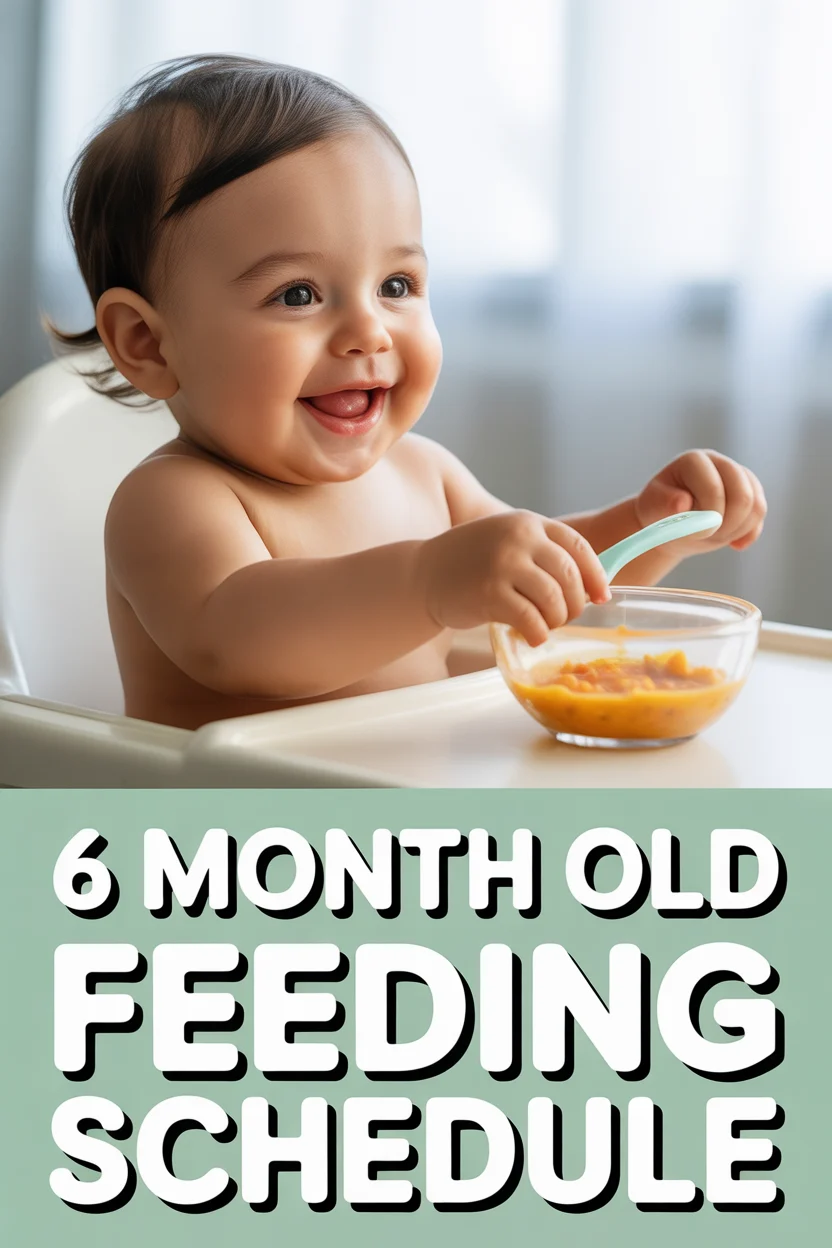
Alright, friend, so your tiny human is hitting the big 6-month mark. Cue the confetti, the chaos, and probably a whole lot of pureed anything. This is where the feeding game gets a major glow-up, transitioning from an all-liquid diet to… well, a liquid diet with some bonus solid adventures. Get ready for some epic mealtime battles and triumphs, because introducing solids is basically a masterclass in patience and stain removal. But don’t sweat it, we’re navigating this delicious (and often messy) journey together.
1. The Great Milk Divide: Still Number One
Hold up before you ditch the boob or bottle entirely. At six months, breast milk or formula remains your baby’s primary source of nutrition. Think of solids as the cool new sidekick, not the main hero. We’re talking taste tests and texture exploration, not full-on feasts replacing essential nutrients.
Pro tip from someone who’s cleaned a lot of high chairs: Always offer milk before solids. This ensures they’re getting their fill of the good stuff and aren’t too hangry to even consider a spoon.
This approach works because it keeps them well-nourished while gently easing them into new food experiences without pressure.
2. First Spoonfuls: The Beginner’s Guide
Welcome to a brand new world of mush! When you’re kicking off solids, keep it simple. We’re talking single-ingredient purees. Think rice cereal (iron-fortified, obvi), sweet potato, avocado, or banana. The goal here is to introduce one flavour and texture at a time, not to create a gourmet tasting menu.
A super smart move is to introduce one new food every three to five days. This way, if your little one decides to have an allergic reaction, you’ll know exactly which culprit to blame. It’s like a tiny, delicious science experiment.
Starting simple makes the transition less overwhelming for their tiny digestive system and helps you pinpoint any sensitivities.
3. Timing is Everything: When to Offer Solids
You know how you don’t want to eat a fancy meal when you’re absolutely starving or about to crash? Same goes for your baby. Pick a time when they’re alert, happy, and not overly tired or ravenous. Mid-morning or early afternoon often works best, after a milk feed and a decent nap.
The golden rule: choose a moment when you’re both chill. Rushing it will only end in tears (probably yours, from cleaning the mess).
A calm environment sets the stage for a positive eating experience, making them more likely to try new things.
4. The Art of the Push-Out: Gag Reflex Fun
Prepare yourself for the face of pure disgust. When you offer that first spoonful, your baby might push it right back out with their tongue. Don’t take it personally; it’s usually just their tongue-thrust reflex, a normal protective mechanism. They’re still figuring out how to move food to the back of their mouth to swallow.
Give them tiny amounts on the spoon, letting them explore it with their mouth. It’s less about them eating it all and more about them getting used to the sensation.
Understanding this reflex prevents you from thinking they hate your cooking and helps them learn at their own pace.
5. Water Works: Sips for Hydration
Once solids enter the picture, it’s totally cool to offer a few sips of water. This isn’t about hydration per se, as their milk still covers that, but more about introducing a new skill. Use an open cup or a sippy cup to help them learn to drink rather than suck.
Just a few sips, please! You don’t want them filling up on water and missing out on the nutrient-dense milk or solids.
This tiny habit helps them practice cup drinking and keeps things moving along smoothly in their digestive system.
6. Messy Business: Embrace the Chaos
Your kitchen is about to become a war zone. Seriously. Your baby needs to touch, squish, and play with their food to truly explore it. Let them get their hands dirty; it’s all part of the sensory experience. Resist the urge to wipe them down every five seconds.
Invest in a good high chair mat and some short-sleeved bibs that cover almost everything. Trust us, future you will thank you.
Embracing the mess reduces mealtime stress for everyone and encourages a positive relationship with food.
7. What to Start With: The Usual Suspects
The classics are classics for a reason. Think iron-fortified rice cereal, sweet potato, avocado, banana, pureed peas, or pureed carrots. These are generally well-tolerated, easy to digest, and offer good nutritional value.
Keep it super smooth and simple initially. As they get the hang of it, you can gradually introduce slightly thicker textures.
These starter foods provide essential nutrients and are gentle on a developing digestive system.
8. Allergen Intro: The New Frontier
Gone are the days of delaying allergens. Current recommendations suggest introducing common allergens like peanut butter, eggs, and fish early and consistently. But don’t just dive in headfirst; have a chat with your pediatrician first!
When you do introduce them, do it at home, in small amounts, and watch for any reactions. One new allergen at a time, just like with regular new foods.
Early and consistent exposure may actually reduce the risk of developing food allergies, which is a win-win.
9. The Hunger Cues: Decoding Baby’s Language
Your baby is a master communicator, even without words. They’re telling you when they’re hungry and when they’re full. Look for cues like leaning forward, opening their mouth for the spoon, or reaching for food when they’re hungry. When they’re done, they might turn their head away, push the spoon, or clamp their mouth shut.
Stop when they tell you they’re done. Forcing more food can create negative associations and override their natural hunger cues.
Respecting their cues fosters intuitive eating habits and builds trust at mealtime.
10. No Pressure Zone: It’s a Marathon, Not a Sprint
This isn’t a food contest; it’s about exposure. Some days they’ll devour everything, other days they’ll look at your perfectly pureed organic carrot with utter disdain. It’s fine. The goal is to offer a variety of foods repeatedly, even if they don’t eat much.
If they refuse something, just try again another day. Sometimes it takes multiple exposures before they accept a new food.
Taking the pressure off makes mealtime enjoyable and helps them develop a positive relationship with food.
11. The Morning Meal: Solid Start to the Day
Kick off the day with something new! After their first milk feed of the morning, offer a small solid meal. This could be some iron-fortified cereal mixed with breast milk/formula or a fruit puree. It’s a gentle way to introduce solids without overwhelming their routine.
Keep it light and easy to digest for those morning tummies. Nobody wants a tummy ache before playtime.
Establishing a morning solid routine helps them get used to structured meal times.
12. Mid-Day Munchies: A Second Solid Session
Around lunchtime or early afternoon, after another milk feed, you can introduce a second solid meal. This is your chance to vary the menu! If they had fruit in the morning, maybe try a veggie or avocado in the afternoon.
Try to introduce a different food or texture from the morning to broaden their palate. Variety is the spice of life, even for babies.
Adding a second solid meal increases their exposure to different flavors and nutrients throughout the day.
13. Snack Attack: Is it Time Yet?
Hold your horses, tiny human! Generally, 6-month-olds don’t need separate snacks. Their two solid meals plus their consistent milk feeds provide all the energy and nutrients they require. Don’t feel pressured to add extra mini-meals.
Stick to their scheduled milk feeds and two solid meals for now. Snacking can come later when they’re a bit older and eating larger quantities of solids.
Avoiding snacks prevents overfeeding and ensures they’re getting enough essential milk.
14. Night Feeds: Still Part of the Deal
Don’t expect solids to magically make them sleep through the night. While some babies do start sleeping longer stretches around this age, many 6-month-olds still wake for milk feeds overnight. Solids are not a sleep cure, no matter what your well-meaning aunt says.
Continue to respond to their hunger cues overnight. They’re growing like crazy, and those night feeds are often crucial for their development.
Understanding this helps manage expectations and ensures your baby is adequately nourished, day and night.
15. Listen to Your Gut (and Baby’s): Intuitive Eating
Seriously, you know your baby best. While schedules and guidelines are super helpful, they’re just that: guidelines. Pay attention to your baby’s unique cues, their personality, and what works for your family. Some babies are gung-ho eaters; others are more cautious.
Don’t compare your baby’s eating habits to others. Every baby is different, and their feeding journey will be unique. Trust your instincts, mama (or papa).
Following your intuition creates a relaxed and supportive feeding environment, fostering a healthy, lifelong relationship with food.
🧩 The Toddler Sanity & Learning Kit
Toddlers are tiny tornados. Instead of turning on the iPad in a moment of desperation, these 5 open-ended toys and clever tools foster independent, screen-free play while simultaneously saving your house from milk spills and crayon disasters.
🧱 Magna-Tiles 100-Piece Building Set
The undeniable king of open-ended play. It is the one single toy that a 2-year-old and a 10-year-old will both happily play with for an hour straight. They develop spatial reasoning, math skills, and independent focus—worth absolutely every penny.
🥛 Munchkin Miracle 360 Trainer Cups
Stop wiping up milk puddles. These genius, dentist-recommended cups allow kids to drink from anywhere around the rim like a real glass, but they instantly seal themselves the second the child stops drinking—even if they drop it on the floor.
🎧 Yoto Mini Kids Audio Player
The ultimate distraction for car rides or quiet time without the guilt of handing over a glowing screen. Kids control it completely by inserting physical cards to play audiobooks, music, and educational podcasts completely independently.
🧹 Melissa & Doug Wooden Cleaning Set
Toddlers desperately want to do exactly what you do. This kid-sized, highly durable wooden sweeping and mopping set redirects their chaotic energy into productive, confidence-building life skills while you actually get the real cleaning done in peace.
🎒 Montessori Travel Busy Board
The secret to surviving restaurants and airplanes with a two-year-old. Packed with buckles, zippers, shoelaces, and snaps, this soft, lightweight 'briefcase' develops critical fine-motor skills and keeps busy little hands occupied for surprisingly long stretches.
Conclusion
So, there you have it, your cheat sheet to the wild and wonderful world of the 6-month-old feeding schedule. It’s a journey, not a race, filled with tiny victories (like them actually swallowing a pea puree) and monumental messes. Embrace the learning curve, trust your gut, and remember that every spoonful, even the ones that end up on the ceiling, is a step towards a new adventure. You’ve got this, and your little eater is going to thrive!