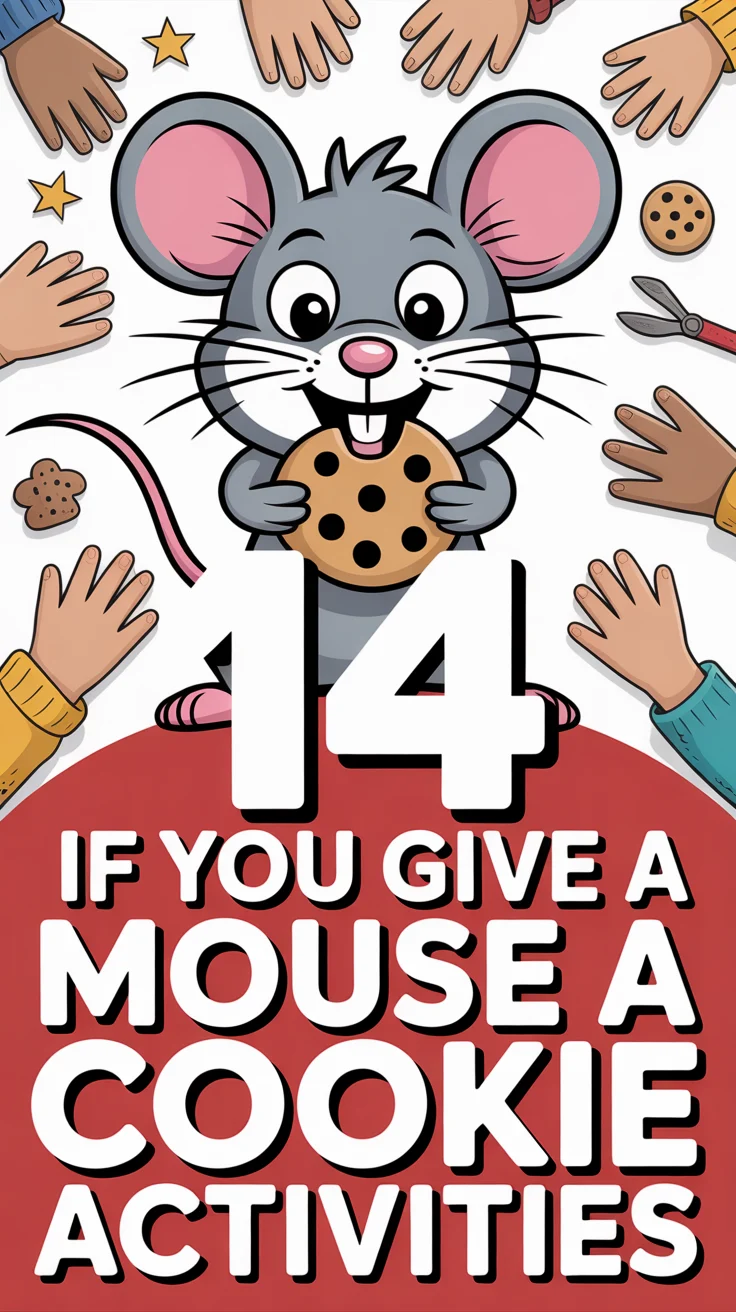
🍪 14 If You Give A Mouse A Cookie Activities
🍼 The Newborn Survival Kit
The first six months of parenthood are a blur of exhaustion. Stop trying to tough it out—these are the 5 absolute life-saving baby essentials that experienced moms literally refuse to live without. They will instantly solve your biggest sleeping, feeding, and soothing struggles.
🌙 Hatch Rest Baby Sound Machine
The ultimate sleep hack. You can entirely control this white noise machine and dimmable nightlight from your smartphone, meaning you never have to accidentally wake the baby while sneaking back out of the nursery after a 3 AM feeding.
🤧 FridaBaby NoseFrida Snotsucker
It sounds incredibly gross until your baby has their first cold and literally cannot breathe to sleep. Throw away those useless hospital bulb syringes—this doctor-invented tool safely clears congestion in seconds, and yes, the filter absolutely prevents any germs from reaching you.
💧 Haakaa Silicone Manual Breast Pump
Every breastfeeding mom's best kept secret. Simply suction this cheap, cord-free silicone cup to the opposite breast while you nurse to effortlessly catch every drop of liquid gold letdown that would otherwise leak onto your shirt and be totally wasted.
🧴 Aquaphor Baby Healing Ointment
Forget buying ten different expensive, highly-fragranced creams. This is the only ointment you need. It miraculously cures severe diaper rash overnight, heals cracked nursing nipples, soothes baby eczema, and aggressively protects delicate skin from harsh winter wind.
☁️ Burt's Bees 100% Organic Burp Cloths
You will go through dozens of these a day, so do not cheap out on thin fabric. These thick, ultra-absorbent organic cotton cloths actually catch massive spit-ups before they ruin your only clean outfit, while remaining incredibly soft against your newborn's face.
Okay, so you’ve read “If You Give A Mouse A Cookie” for the gazillionth time, and let’s be real, that little mouse is basically a tiny, adorable dictator with a serious snack habit. But hey, who are we to judge when cookies are involved, right? This classic isn’t just a story; it’s a whole vibe, a circular saga of wants and needs that somehow always loops back to a cookie. Genius.
If your kiddos (or, let’s be honest, you) are obsessed with this whiskered pal and his never-ending demands, you’re in luck. We’ve cooked up some seriously fun, slightly chaotic, totally memorable activities inspired by everyone’s favorite demanding rodent. Get ready to dive into some serious mouse-y mischief without actually having to clean up after a real mouse. You’re welcome.
1. Bake Your Own Mouse Cookies
First things first, you can’t talk about a mouse and a cookie without, well, making cookies. This is practically a sacred duty. Gather your tiny chefs and whip up a batch of their favorite chocolate chip or sugar cookies. Bonus points if you let them get flour absolutely everywhere.
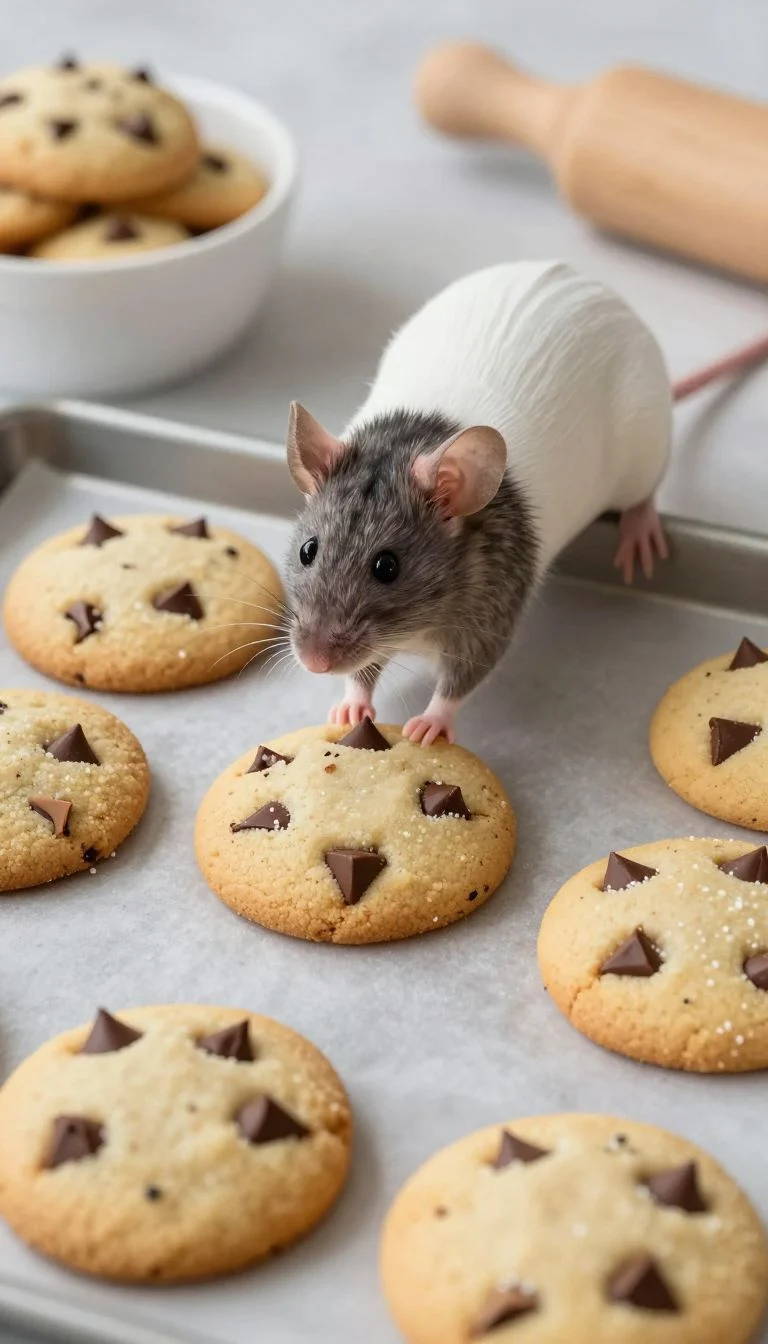
Pro Tip: Use a mouse-shaped cookie cutter if you’re feeling extra thematic. Otherwise, any round cookie is perfectly acceptable for our discerning mouse.
Why it works: It’s delicious, hands-on, and directly ties into the book’s main event. Plus, fresh cookies are always a win.
2. Craft a Paper Bag Mouse Puppet
Give that demanding little mouse a physical form! Grab some paper bags, googly eyes, construction paper, and glue. Let creativity run wild as you design your very own mouse puppet. Maybe this one will be less demanding, or maybe not.
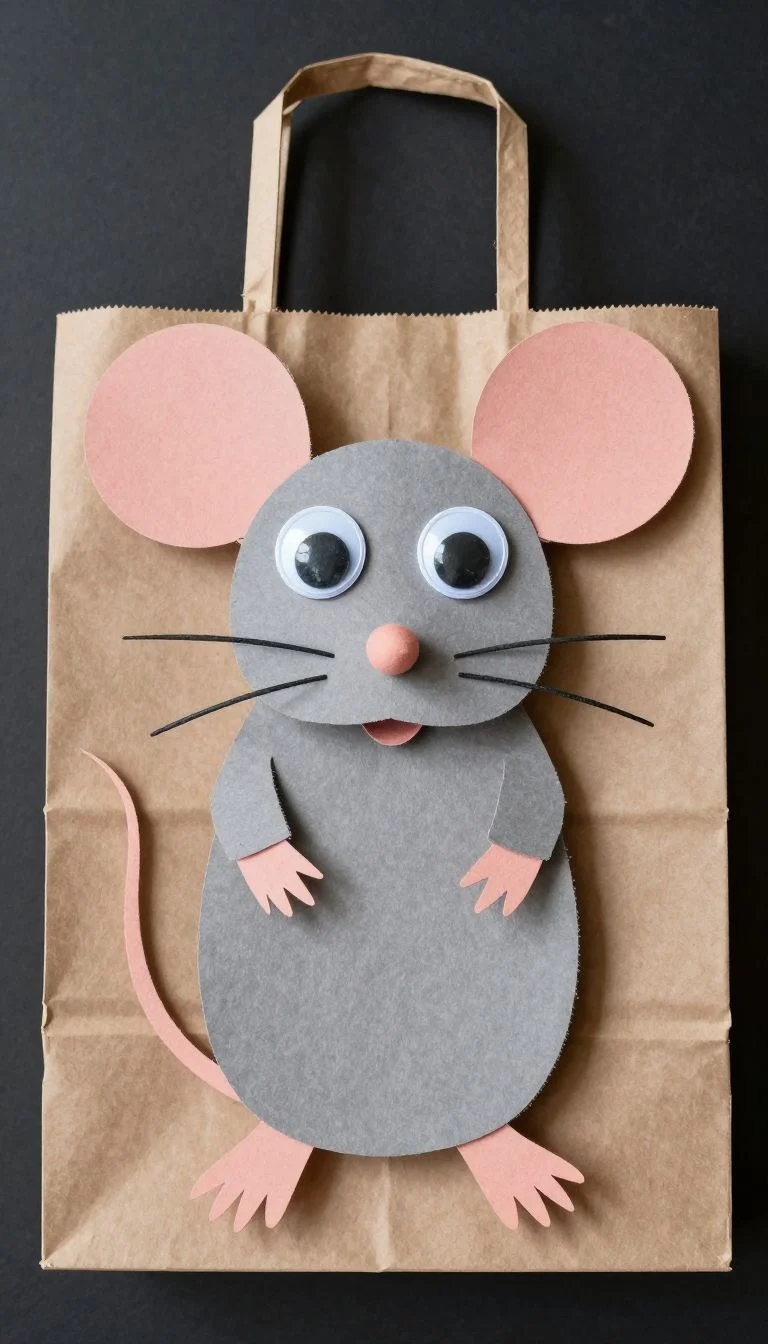
Pro Tip: Don’t forget the tiny whiskers and a long tail made from string or a pipe cleaner. Details matter, people.
Why it works: Encourages imaginative play and provides a fun prop for retelling the story.
3. Story Sequencing Challenge
The book is literally a loop, making it perfect for sequencing. Print out or draw pictures of key events (mouse asks for cookie, mouse asks for milk, mouse asks for a straw, etc.) and have your little ones put them in order. It’s like a puzzle, but with more narrative.
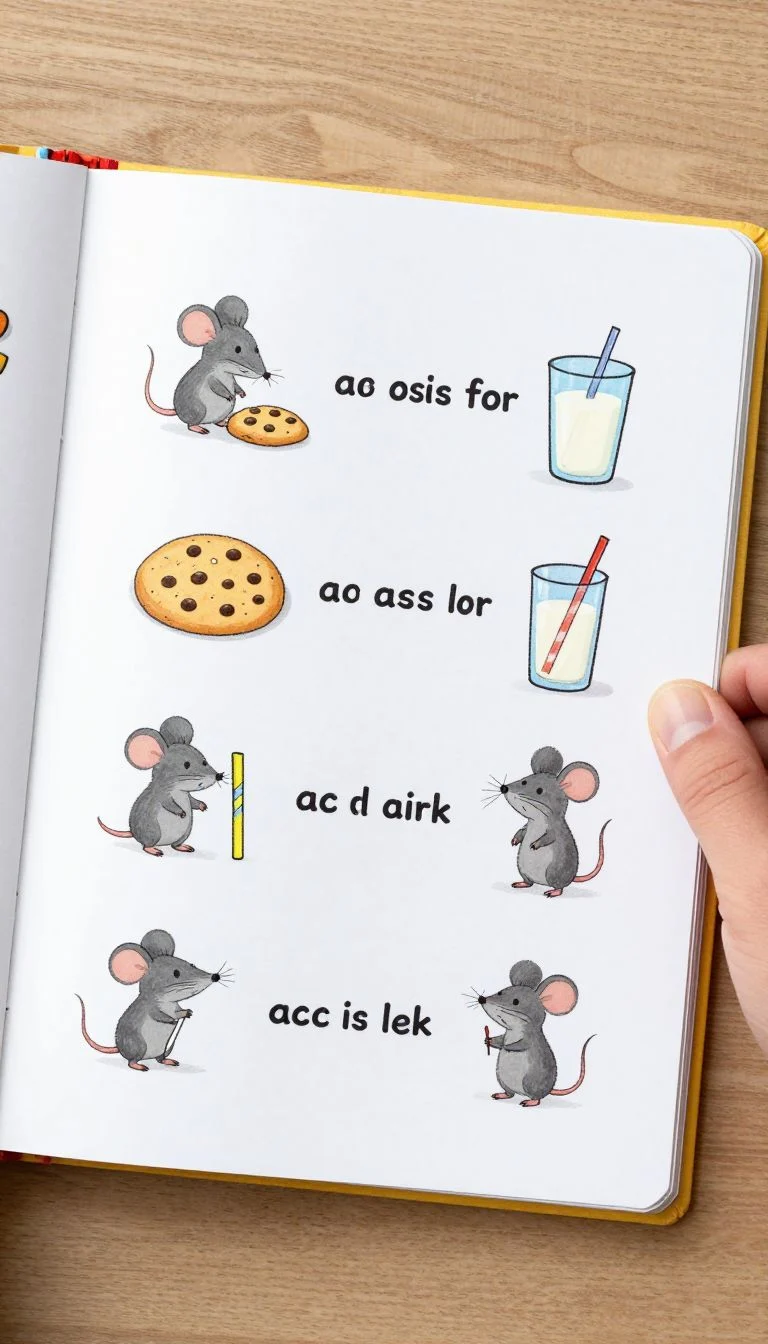
Pro Tip: Laminate the cards for endless reuse. Because you know you’ll be doing this again.
Why it works: Boosts comprehension and logical thinking, all while revisiting the story.
4. Milk and Cookie Taste Test
The mouse is very specific about his milk. Why not conduct your own scientific experiment? Offer different types of milk (whole, almond, oat) with different types of cookies. Which combo is the ultimate cookie dunker? The results might surprise you.

Pro Tip: Have a scorecard ready for rating each pairing. Very official, very serious business.
Why it works: A fun sensory experience that connects directly to the mouse’s preferences in the book.
5. Draw the Mouse’s Next Adventure
After all that, what does the mouse do next? Does he ask for a nap? A tiny mouse-sized car? Provide paper and crayons and let imaginations soar. What new adventures does your mouse embark on?
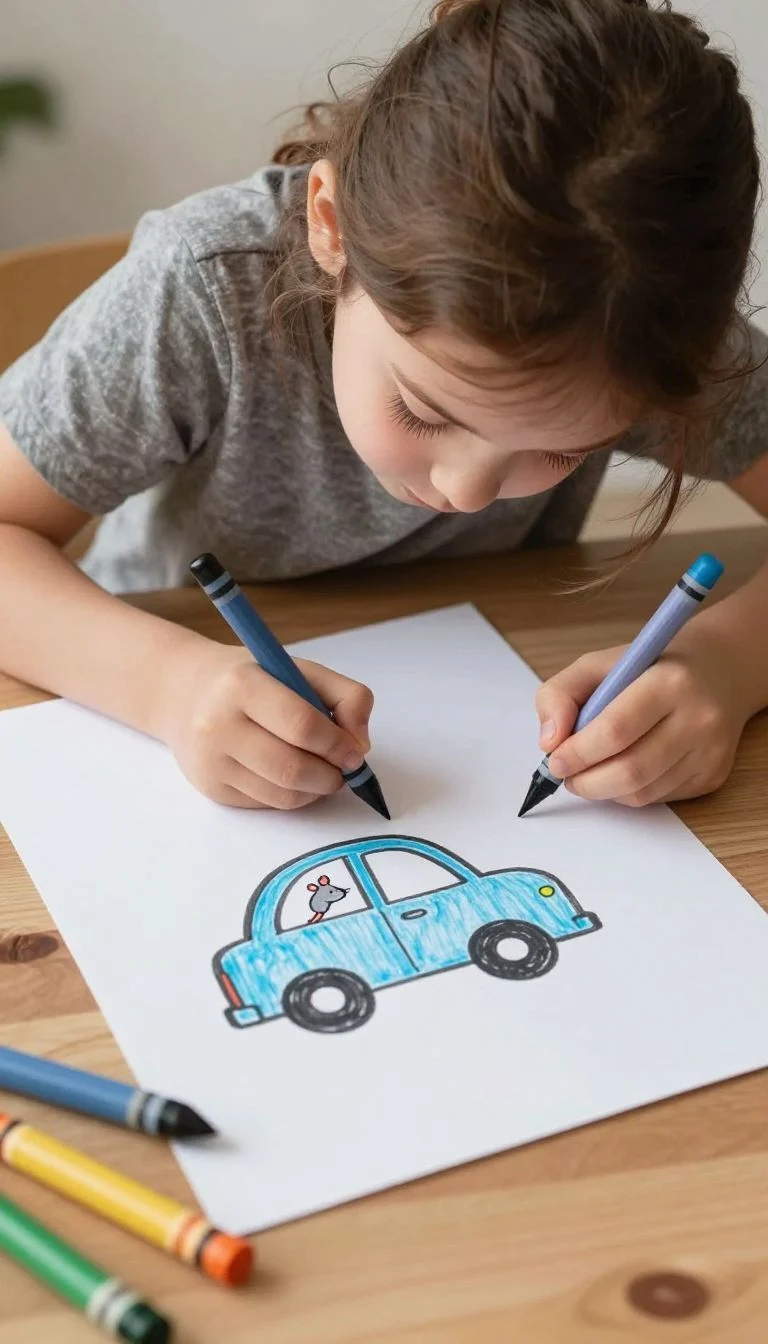
Pro Tip: Encourage them to narrate their drawing as they go. You might uncover some truly wild plot twists.
Why it works: Fosters creativity and encourages predictive thinking beyond the book’s ending.
6. If You Give A… Story Writing
Inspired by Laura Numeroff’s genius, challenge your kids to create their own circular story. “If you give a cat a fish, he’ll want a nap…” The possibilities are endless, and often hilarious. Prepare for some truly bizarre requests.
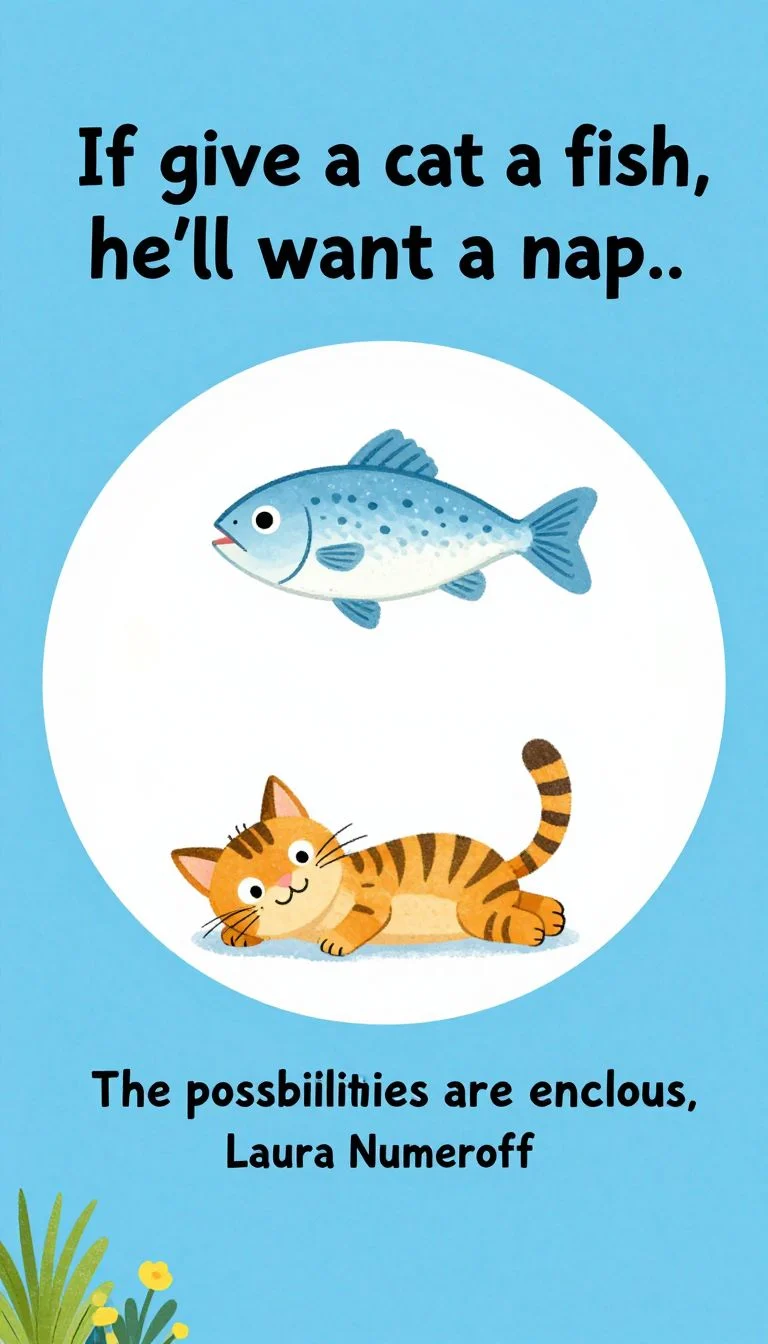
Pro Tip: Start with a simple prompt like “If you give a dog a bone…” and see where it takes them. Or, you know, “If you give Mom a coffee…”
Why it works: Develops early writing skills, understanding of cause and effect, and pure storytelling joy.
7. Cookie Jar Counting Game
Gather some toy cookies or even real ones (if you dare). Have your child count them as they put them into a “cookie jar” (any container works). Then, take some out and count how many are left. Basic math, but with a delicious incentive.
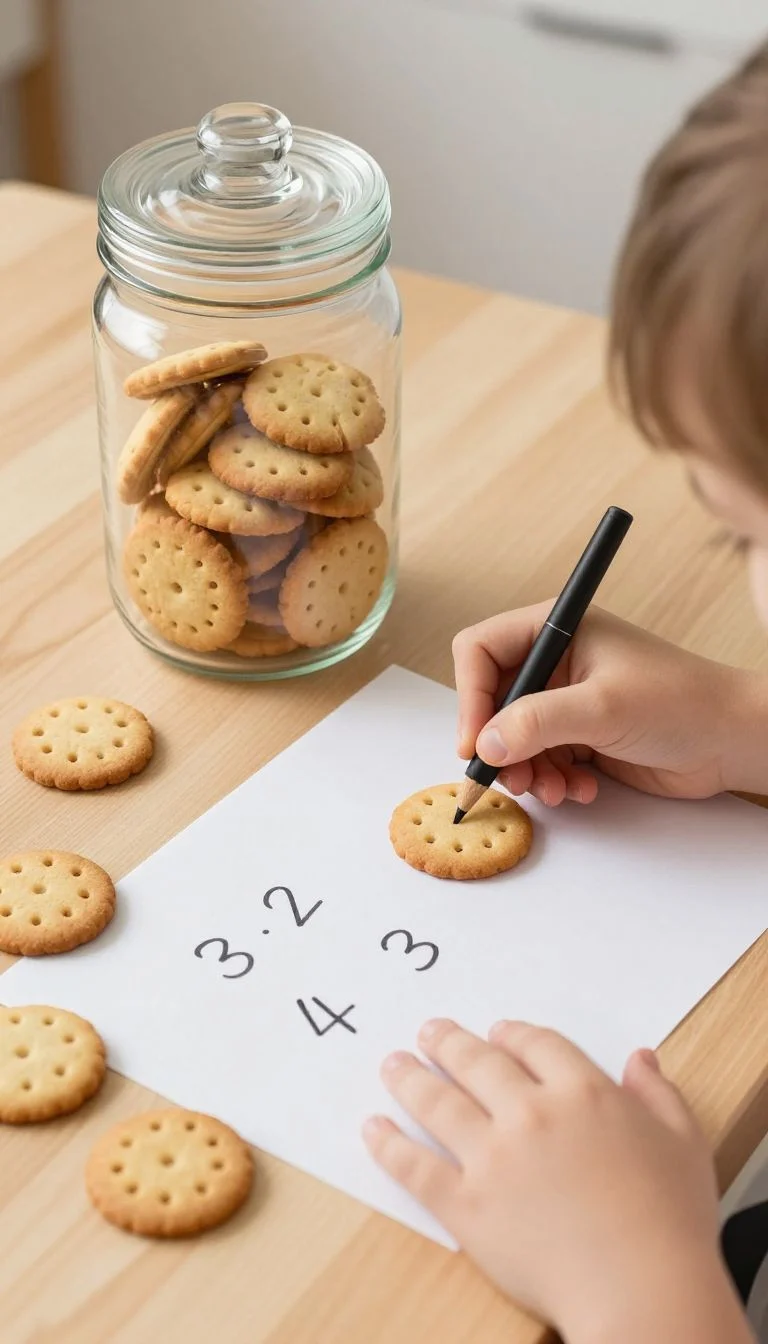
Pro Tip: Write numbers on the cookies for number recognition practice. Multitasking, baby.
Why it works: Makes early math concepts fun and tangible, connecting to the story’s core item.
8. Build a Mouse House
The mouse needs a place to live, right? Use a shoebox, craft supplies, and tiny furniture to create a cozy abode for your paper bag mouse or a favorite toy mouse. Think miniature mouse decor.
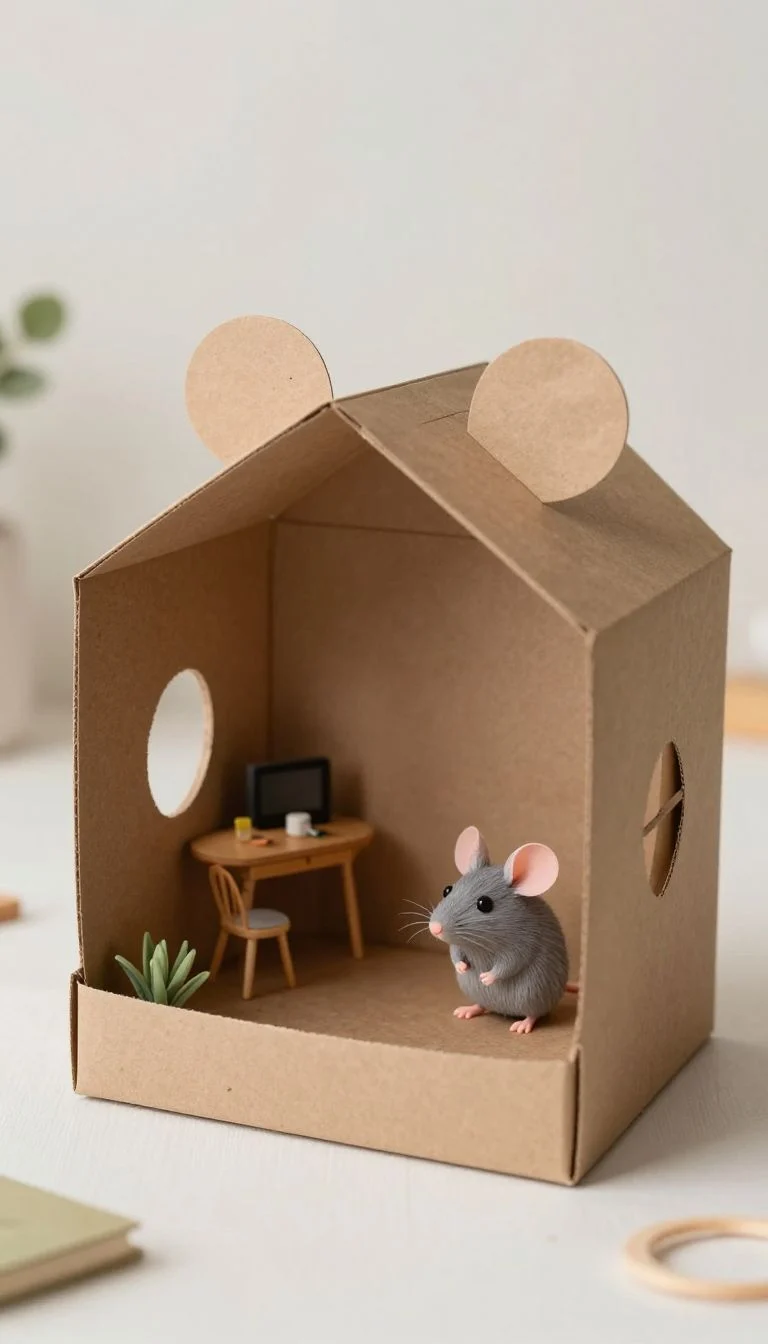
Pro Tip: Scour your house for tiny items that could be mouse-sized furniture, like bottle caps for tables or fabric scraps for rugs.
Why it works: Encourages engineering skills and imaginative play, giving the mouse a home base.
9. Put on a Mouse Puppet Show
Once you’ve made your mouse puppets (or even just used fingers), put on a show! Retell the story of “If You Give A Mouse A Cookie” or create an entirely new adventure for your puppet mouse. Audience participation is highly encouraged.
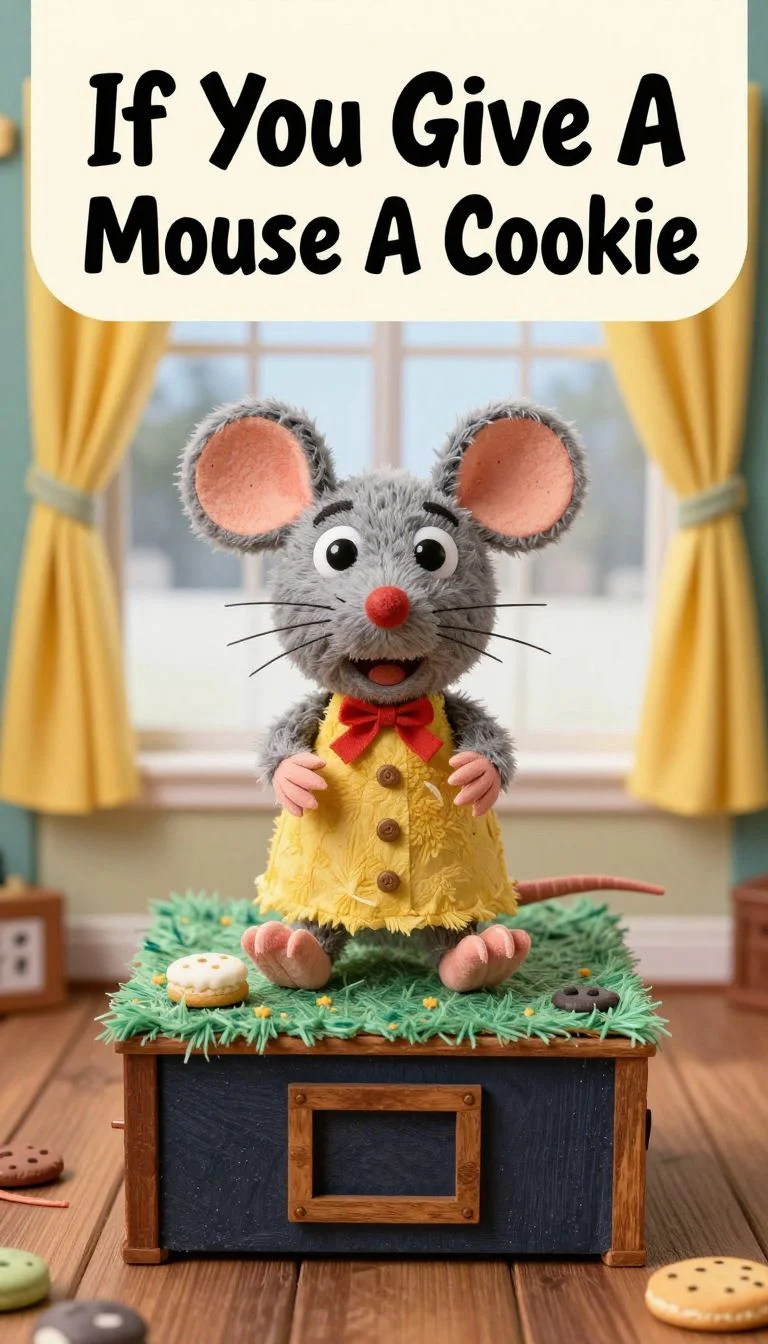
Pro Tip: Let your kids direct and narrate. Their improvisational skills will likely put Hollywood writers to shame.
Why it works: Boosts confidence, public speaking skills, and creative expression through performance.
10. Clean Up The Mess Game
Let’s be real, that mouse makes a mess. From cookie crumbs to spilled milk, it’s a lot. Set up a pretend mess (paper scraps, crumpled tissues, etc.) and have your kids “clean up” like the mouse does in the book. Make it a race, or just a fun chore.
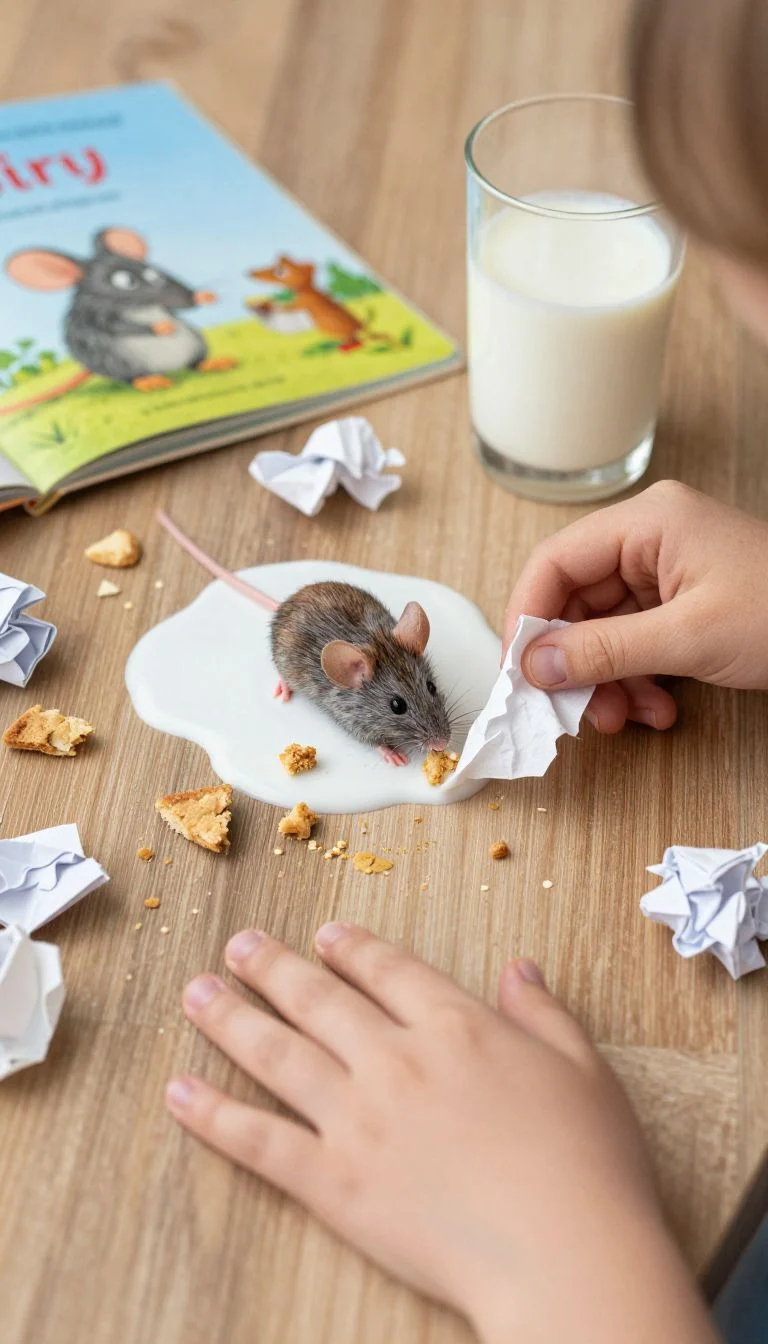
Pro Tip: Play some upbeat music to make the cleaning more tolerable. A little dance party never hurt anyone.
Why it works: Teaches responsibility in a playful context, without actually having to clean up a real mess (mostly).
11. Rhyming Word Hunt
The book, while not strictly rhyming, has a great flow. Challenge your kids to find rhyming words related to the story. “Mouse” and “house,” “cookie” and “bookie” (okay, maybe not that last one, but you get the idea). Make a list!
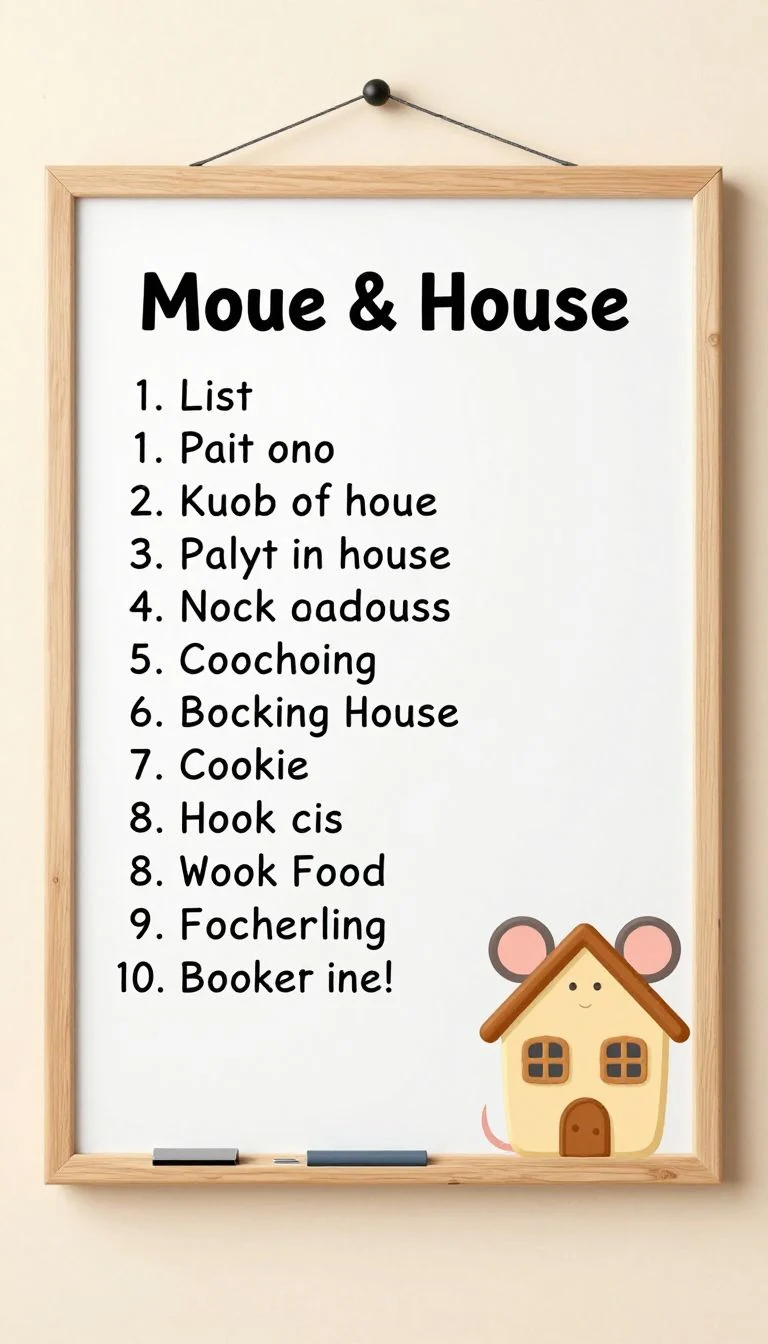
Pro Tip: Use a whiteboard or large paper to jot down all the rhyming pairs. The sillier, the better.
Why it works: Enhances phonological awareness and expands vocabulary in a fun, interactive way.
12. Mouse’s Scavenger Hunt
Create a scavenger hunt based on items the mouse asks for. Hide a “cookie,” a “glass of milk,” a “straw,” a “napkin,” a “mirror,” etc., around the house. Provide clues that lead to the next item. The final prize? You guessed it, another cookie.
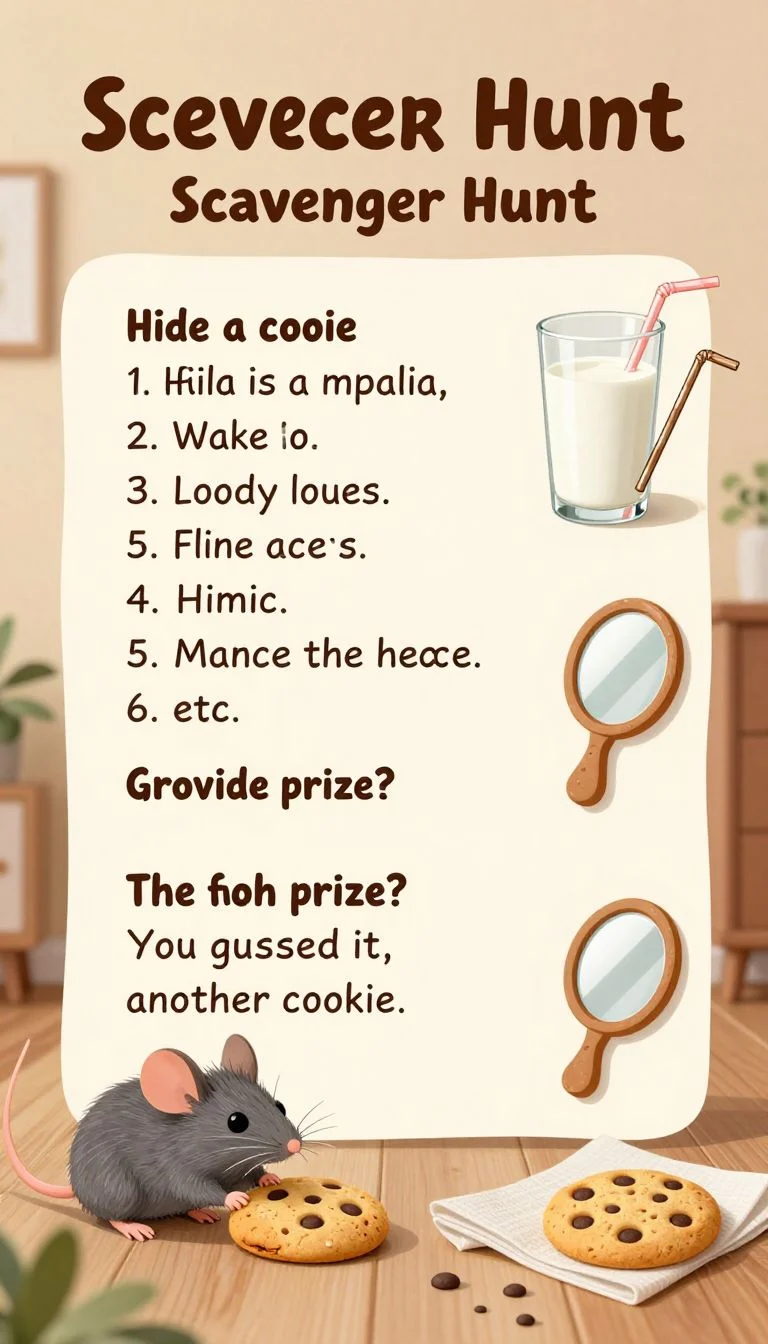
Pro Tip: Make the clues simple drawings or single words for younger kids to keep frustration low and fun high.
Why it works: Encourages problem-solving, reading skills, and physical activity, all tied to the book’s narrative.
13. Compare and Contrast Other If You Give A… Books
Laura Numeroff has a whole series! Grab “If You Give A Pig A Pancake,” “If You Give A Moose A Muffin,” etc. Read them all and compare the characters, their demands, and the circular plots. Which character is the most demanding? Discuss.
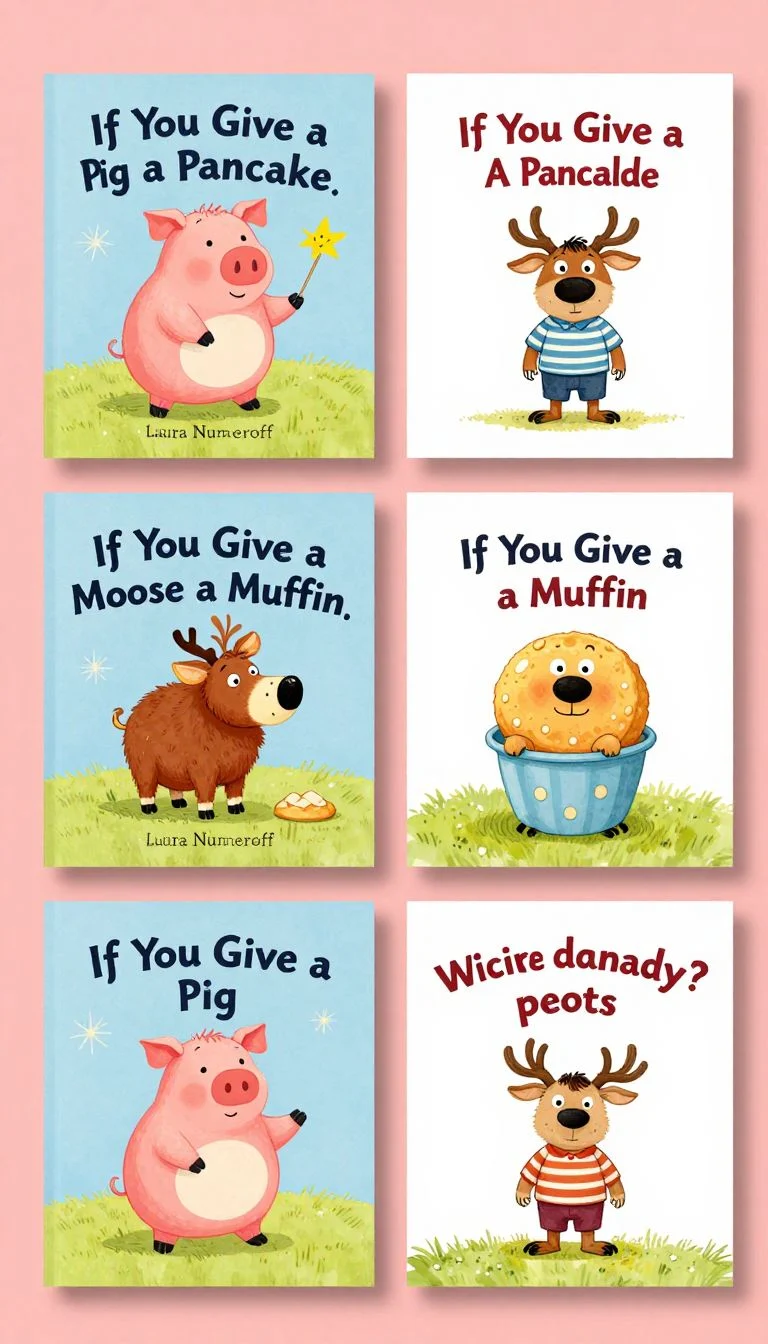
Pro Tip: Create a Venn diagram to visually compare two books. Because learning can be visually appealing too.
Why it works: Develops critical thinking, comparison skills, and introduces them to more great literature.
14. Set Up a Mouse Obstacle Course
Remember how the mouse is always running around? Set up a mini obstacle course in your living room or backyard. Crawl under blankets, jump over pillows, “run” to get a drink. Pretend you’re the mouse trying to get all his demands met.
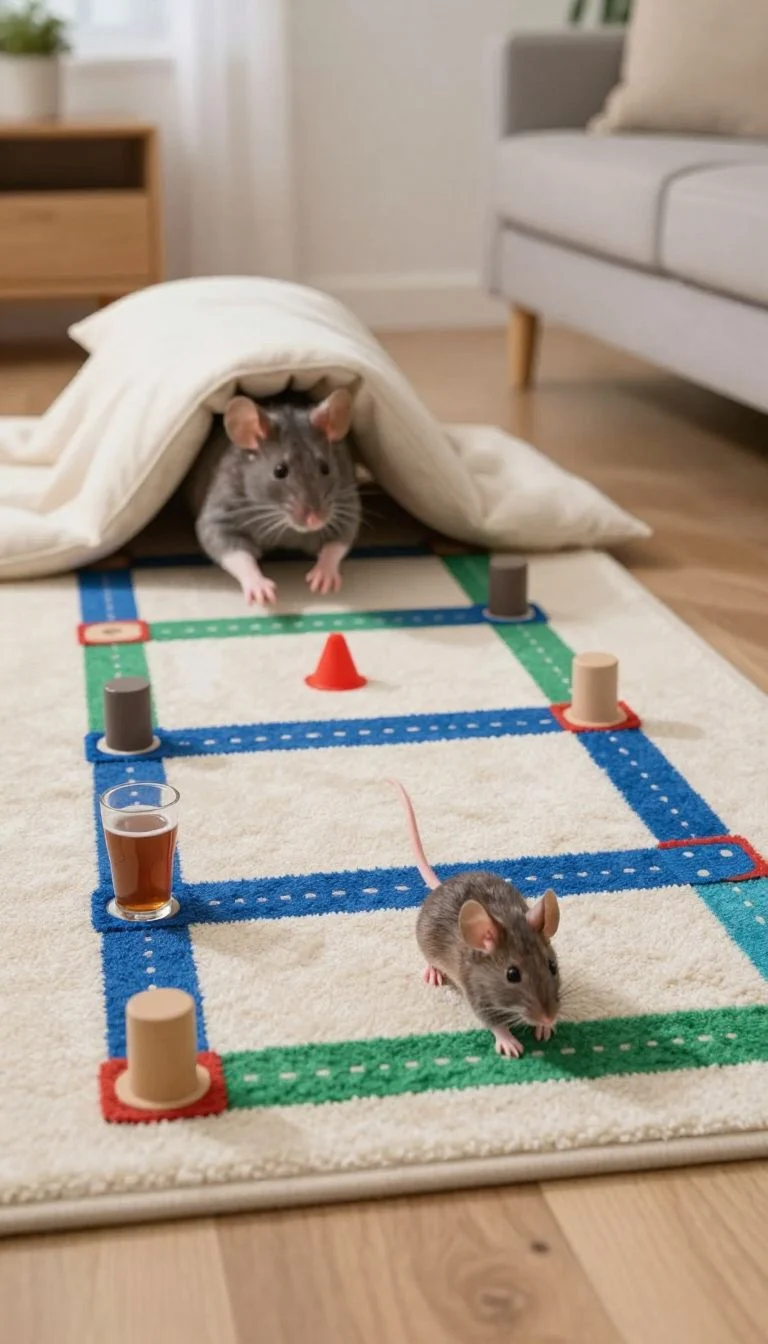
Pro Tip: Time them! A little friendly competition always spices things up. Just don’t let them trip over the actual furniture.
Why it works: Great for gross motor skills, following directions, and burning off some of that cookie-induced energy.
🧩 The Toddler Sanity & Learning Kit
Toddlers are tiny tornados. Instead of turning on the iPad in a moment of desperation, these 5 open-ended toys and clever tools foster independent, screen-free play while simultaneously saving your house from milk spills and crayon disasters.
🧱 Magna-Tiles 100-Piece Building Set
The undeniable king of open-ended play. It is the one single toy that a 2-year-old and a 10-year-old will both happily play with for an hour straight. They develop spatial reasoning, math skills, and independent focus—worth absolutely every penny.
🥛 Munchkin Miracle 360 Trainer Cups
Stop wiping up milk puddles. These genius, dentist-recommended cups allow kids to drink from anywhere around the rim like a real glass, but they instantly seal themselves the second the child stops drinking—even if they drop it on the floor.
🎧 Yoto Mini Kids Audio Player
The ultimate distraction for car rides or quiet time without the guilt of handing over a glowing screen. Kids control it completely by inserting physical cards to play audiobooks, music, and educational podcasts completely independently.
🧹 Melissa & Doug Wooden Cleaning Set
Toddlers desperately want to do exactly what you do. This kid-sized, highly durable wooden sweeping and mopping set redirects their chaotic energy into productive, confidence-building life skills while you actually get the real cleaning done in peace.
🎒 Montessori Travel Busy Board
The secret to surviving restaurants and airplanes with a two-year-old. Packed with buckles, zippers, shoelaces, and snaps, this soft, lightweight 'briefcase' develops critical fine-motor skills and keeps busy little hands occupied for surprisingly long stretches.
Conclusion
There you have it! Who knew one little mouse and his cookie addiction could spark so much creative chaos? These activities are more than just time-fillers; they’re a chance to deepen understanding of a beloved story, unleash some serious imagination, and maybe, just maybe, teach a lesson or two about the never-ending cycle of wants. So go forth, embrace the mouse-y madness, and don’t forget the cookies. You know, just in case.