🔍 13 Age Appropriate Chores For Kids
🍼 The Newborn Survival Kit
The first six months of parenthood are a blur of exhaustion. Stop trying to tough it out—these are the 5 absolute life-saving baby essentials that experienced moms literally refuse to live without. They will instantly solve your biggest sleeping, feeding, and soothing struggles.
🌙 Hatch Rest Baby Sound Machine
The ultimate sleep hack. You can entirely control this white noise machine and dimmable nightlight from your smartphone, meaning you never have to accidentally wake the baby while sneaking back out of the nursery after a 3 AM feeding.
🤧 FridaBaby NoseFrida Snotsucker
It sounds incredibly gross until your baby has their first cold and literally cannot breathe to sleep. Throw away those useless hospital bulb syringes—this doctor-invented tool safely clears congestion in seconds, and yes, the filter absolutely prevents any germs from reaching you.
💧 Haakaa Silicone Manual Breast Pump
Every breastfeeding mom's best kept secret. Simply suction this cheap, cord-free silicone cup to the opposite breast while you nurse to effortlessly catch every drop of liquid gold letdown that would otherwise leak onto your shirt and be totally wasted.
🧴 Aquaphor Baby Healing Ointment
Forget buying ten different expensive, highly-fragranced creams. This is the only ointment you need. It miraculously cures severe diaper rash overnight, heals cracked nursing nipples, soothes baby eczema, and aggressively protects delicate skin from harsh winter wind.
☁️ Burt's Bees 100% Organic Burp Cloths
You will go through dozens of these a day, so do not cheap out on thin fabric. These thick, ultra-absorbent organic cotton cloths actually catch massive spit-ups before they ruin your only clean outfit, while remaining incredibly soft against your newborn's face.
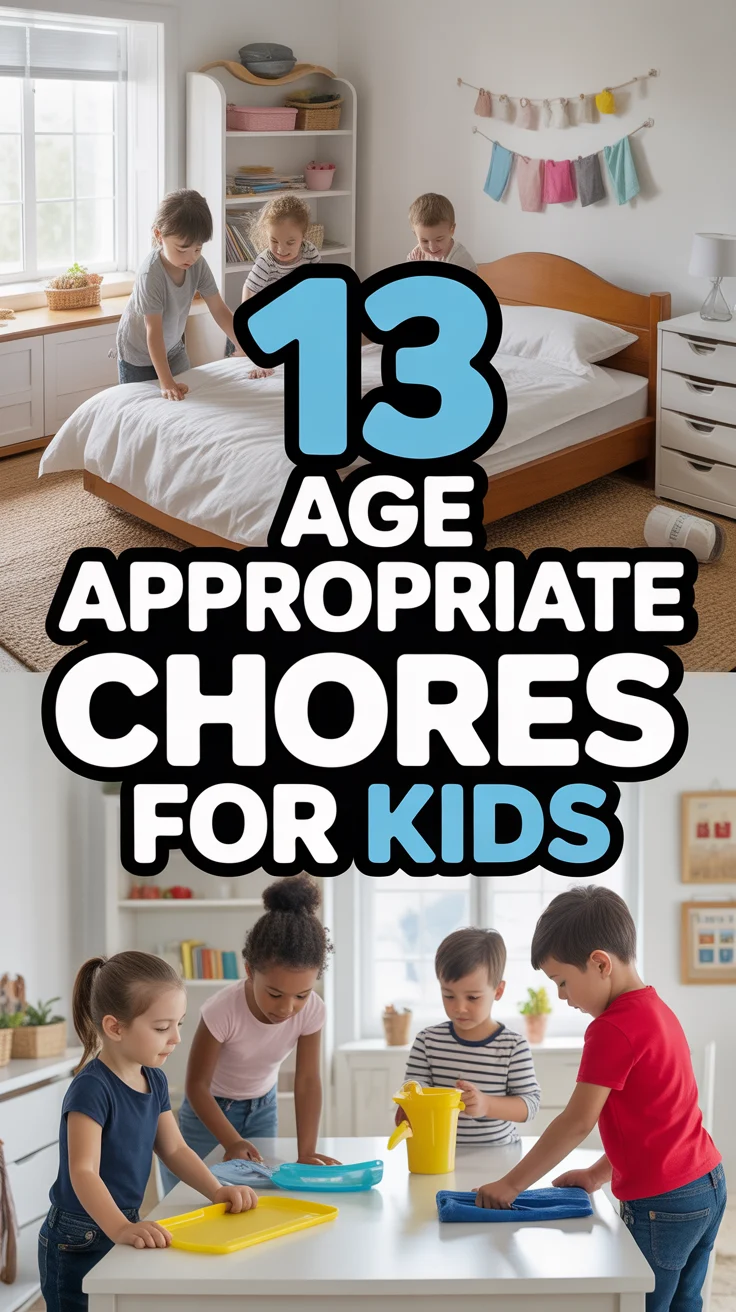
So, you’ve got tiny humans running around, right? And maybe a growing pile of… well, everything. We get it. The idea of getting your mini-me to actually help instead of just contributing to the chaos feels like a pipe dream, but trust us, it’s totally doable. Plus, teaching responsibility early? Chef’s kiss. Let’s ditch the chore charts that gather dust and dive into some real talk about getting those kiddos involved, no matter their age.
1. Put Away Toys
Ah, the classic post-play disaster. Even the littlest ones can master this one. Start with a designated bin or basket for their favorite playthings. It’s less about perfection and more about getting those blocks off the floor before someone steps on them in the dark.
Pro tip: Make it a game. Sing a clean-up song or race against a timer. They’ll actually think it’s fun. This chore teaches basic organization and gives them immediate satisfaction from a tidy space.
2. Help Set the Table
Dinner time prep just got a whole lot cuter. Preschoolers can absolutely handle bringing napkins, forks (the non-pointy kind, obviously), or even unbreakable cups to the table. They feel like a super important part of the meal team.
Pro tip: Start with just one item. Once they nail the napkins, graduate them to forks. It builds confidence and contributes to a smoother family meal routine.
3. Make Their Bed
A small win to start the day, every day. For early elementary kids, “making the bed” means pulling up the covers and maybe arranging a pillow. We’re not talking hospital corners here, people. Aim for general tidiness.
Pro tip: Keep their bedding simple. A duvet and one pillow are far less intimidating than multiple layers and decorative shams. It gives them a sense of accomplishment and tidies their personal space.
4. Feed Pets
Our furry friends need love, and food, too. Elementary-aged kids can take on the responsibility of feeding the family pet. This might mean scooping kibble or refilling a water bowl (with supervision, especially if it involves heavy bags or measuring).
Pro tip: Pre-measure portions into daily containers. This ensures consistency and prevents overfeeding. It teaches care for living creatures and establishes a valuable daily routine.
5. Sort Laundry
The never-ending mountain of clothes needs taming. Even younger elementary kids can help sort laundry into piles: lights, darks, and colors. It’s a great way to introduce them to categories and colors, and honestly, every little bit helps.
Pro tip: Use color-coded hampers or laundry baskets. Makes it super easy for them to just toss their dirty clothes into the right spot. This chore prepares them for actual washing and is a very practical life skill.
6. Clear Their Plate After Meals
Table manners 101, but with a practical twist. From toddlers to teens, everyone can learn to carry their plate, cup, and utensils to the kitchen sink or dishwasher. No lingering crumbs on the table, please.
Pro tip: Use kid-friendly, unbreakable dishes for the younger crowd. It minimizes accidents and makes them feel capable. This basic responsibility teaches them to clean up after themselves and helps with overall kitchen tidiness.
7. Water Plants
Green thumbs in the making, literally. Elementary schoolers can easily take on the task of watering indoor or outdoor plants. Give them a small watering can and show them which plants need a drink and how much.
Pro tip: Teach them to check the soil with their finger first. If it’s still damp, no water needed. This chore fosters nurturing skills and a basic understanding of plant care.
8. Help with Groceries
From cart to counter, then to the pantry. Kids in elementary school and even pre-teens can be invaluable when it comes to putting away groceries. Assign them non-breakable items like canned goods, cereals, or produce.
Pro tip: Give them a specific section to tackle, like “all the pantry items” or “everything for the fridge door.” It makes the task less overwhelming and teaches practical organization skills.
9. Take Out Trash
The unsung hero of household duties. Pre-teens are totally capable of emptying smaller trash cans from bathrooms or bedrooms and taking the main kitchen trash out to the curb. It’s a bit stinky, but someone’s gotta do it.
Pro tip: Make sure the bag isn’t too heavy for them to handle safely. This chore contributes to overall household hygiene and builds physical responsibility.
10. Wipe Down Surfaces
A little sparkle goes a long way, and your pre-teen can totally make it happen. Wiping down kitchen counters, bathroom sinks, or dining tables after meals is a simple yet effective chore. They’ll appreciate a clean surface too, eventually.
Pro tip: Provide them with child-safe, non-toxic cleaners and a designated cloth. It gives them autonomy and an immediate visual impact of their hard work.
11. Vacuum or Sweep a Room
Tackling the dust bunnies like a pro. Pre-teens and teens can learn to operate a vacuum cleaner or effectively sweep a hard-floored room. It’s a bigger commitment, but totally within their capabilities.
Pro tip: Break it down into zones. “Today, you’re vacuuming the living room.” This prevents overwhelm and ensures thoroughness. It’s a major contribution to household cleanliness and responsibility for a larger task.
12. Meal Prep Contribution
Budding chefs in the kitchen, assemble. Teens can move beyond just setting the table to actually helping with meal preparation. This could include chopping vegetables, mixing ingredients, or even following a simple recipe from start to finish.
Pro tip: Start with simple recipes they actually enjoy eating. Tacos? Pasta? Anything that gets them invested. This is an essential life skill that fosters independence and culinary creativity.
13. Organize Their Own Closet/Drawers
Taming the wardrobe monster is a rite of passage. Teens should be responsible for organizing their own closet and dresser drawers. This includes deciding what to keep, what to donate, folding clothes, and hanging items properly.
Pro tip: Do it together the first time to establish a system that works for them. Then, let them own it. This chore teaches personal responsibility, decision-making, and maintains a neat personal space.
🧩 The Toddler Sanity & Learning Kit
Toddlers are tiny tornados. Instead of turning on the iPad in a moment of desperation, these 5 open-ended toys and clever tools foster independent, screen-free play while simultaneously saving your house from milk spills and crayon disasters.
🧱 Magna-Tiles 100-Piece Building Set
The undeniable king of open-ended play. It is the one single toy that a 2-year-old and a 10-year-old will both happily play with for an hour straight. They develop spatial reasoning, math skills, and independent focus—worth absolutely every penny.
🥛 Munchkin Miracle 360 Trainer Cups
Stop wiping up milk puddles. These genius, dentist-recommended cups allow kids to drink from anywhere around the rim like a real glass, but they instantly seal themselves the second the child stops drinking—even if they drop it on the floor.
🎧 Yoto Mini Kids Audio Player
The ultimate distraction for car rides or quiet time without the guilt of handing over a glowing screen. Kids control it completely by inserting physical cards to play audiobooks, music, and educational podcasts completely independently.
🧹 Melissa & Doug Wooden Cleaning Set
Toddlers desperately want to do exactly what you do. This kid-sized, highly durable wooden sweeping and mopping set redirects their chaotic energy into productive, confidence-building life skills while you actually get the real cleaning done in peace.
🎒 Montessori Travel Busy Board
The secret to surviving restaurants and airplanes with a two-year-old. Packed with buckles, zippers, shoelaces, and snaps, this soft, lightweight 'briefcase' develops critical fine-motor skills and keeps busy little hands occupied for surprisingly long stretches.
Conclusion
See? Getting those tiny humans (and not-so-tiny ones) to pull their weight isn’t just a fantasy. You’re not just getting free labor (mostly), you’re building tiny, responsible humans who actually know how to function in the real world. Start small, be consistent, and watch them bloom into helpful, independent individuals. Who knows, maybe one day they’ll even do your laundry. A parent can dream, right?