✨ 14 Behavior Charts For The Home
🍼 The Newborn Survival Kit
The first six months of parenthood are a blur of exhaustion. Stop trying to tough it out—these are the 5 absolute life-saving baby essentials that experienced moms literally refuse to live without. They will instantly solve your biggest sleeping, feeding, and soothing struggles.
🌙 Hatch Rest Baby Sound Machine
The ultimate sleep hack. You can entirely control this white noise machine and dimmable nightlight from your smartphone, meaning you never have to accidentally wake the baby while sneaking back out of the nursery after a 3 AM feeding.
🤧 FridaBaby NoseFrida Snotsucker
It sounds incredibly gross until your baby has their first cold and literally cannot breathe to sleep. Throw away those useless hospital bulb syringes—this doctor-invented tool safely clears congestion in seconds, and yes, the filter absolutely prevents any germs from reaching you.
💧 Haakaa Silicone Manual Breast Pump
Every breastfeeding mom's best kept secret. Simply suction this cheap, cord-free silicone cup to the opposite breast while you nurse to effortlessly catch every drop of liquid gold letdown that would otherwise leak onto your shirt and be totally wasted.
🧴 Aquaphor Baby Healing Ointment
Forget buying ten different expensive, highly-fragranced creams. This is the only ointment you need. It miraculously cures severe diaper rash overnight, heals cracked nursing nipples, soothes baby eczema, and aggressively protects delicate skin from harsh winter wind.
☁️ Burt's Bees 100% Organic Burp Cloths
You will go through dozens of these a day, so do not cheap out on thin fabric. These thick, ultra-absorbent organic cotton cloths actually catch massive spit-ups before they ruin your only clean outfit, while remaining incredibly soft against your newborn's face.
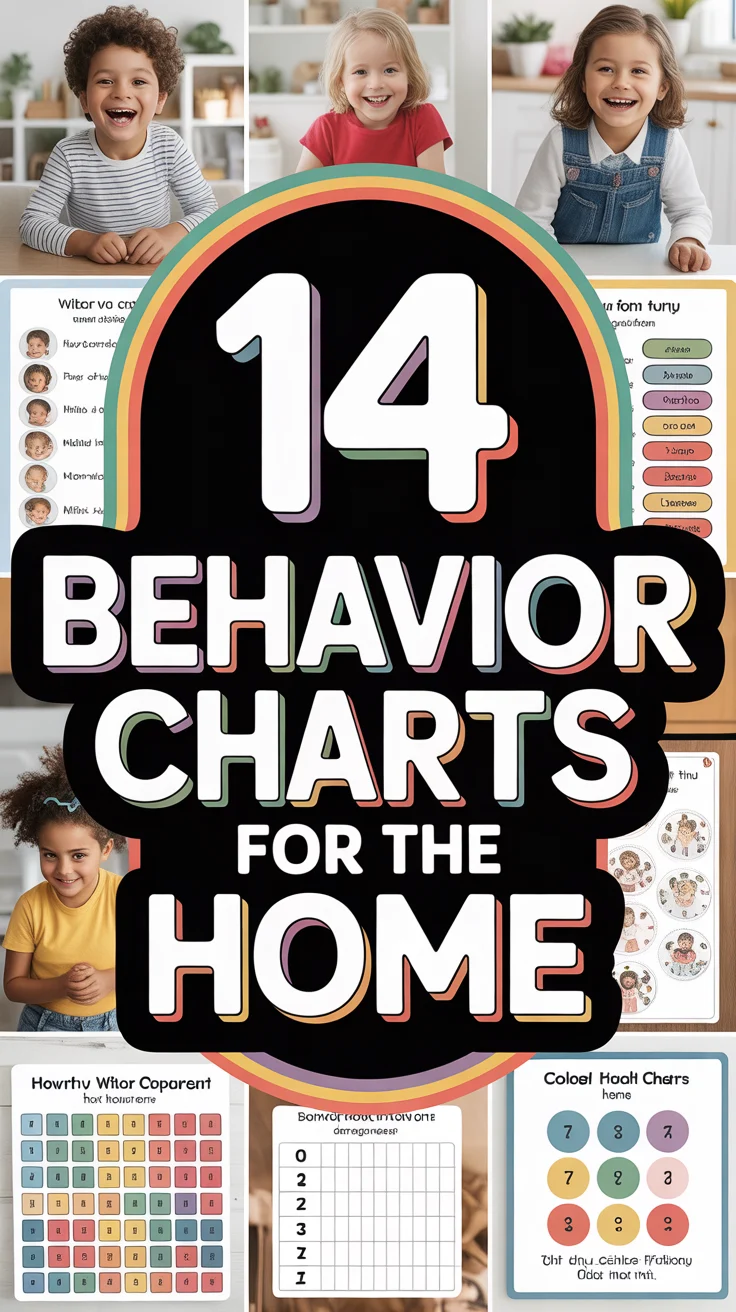
Hey, busy parent squad! Ever feel like you’re running a tiny, chaotic startup where the employees (aka your adorable offspring) keep “innovating” new ways to avoid chores or share toys? Yeah, us too. We get it. Sometimes a little structure, disguised as a fun chart, is exactly what the home office needs. Forget those drab, school-nurse-office vibes. We’re talking stylish, effective, and maybe even a little bit cheeky ways to get those tiny humans (and let’s be real, sometimes the bigger ones) on board. Let’s dive into some genius ideas that actually work.
1. The Sticker Star Chart
This one’s a classic for a reason. Kids absolutely love earning those shiny, sparkly stickers. You set a goal, they complete it, they get a sticker.
Key points here are visibility and immediate gratification. A large chart somewhere everyone sees it keeps the goal top of mind. Pro tip: Let them pick out the stickers themselves for extra buy-in. It works because the visual progress is super motivating for little ones.
2. The Marble Jar Method
Ready to hear the sweet sound of success? For every good deed or completed task, drop a marble into a designated jar. When the jar is full, a pre-agreed reward happens.
This method builds anticipation and teaches delayed gratification. Make sure the jar is clear so they can literally see their efforts piling up. A pro tip is to have a “family reward” for a full jar, like a movie night or a trip to the park. It really works by fostering a sense of collective achievement.
3. The “Choose Your Own Adventure” Chart
Empowerment is key, even with chores. Present a list of daily or weekly tasks and let them “choose” which ones they’ll tackle, within reason of course.
This gives kids a sense of control over their responsibilities. You’re still guiding them, but they feel like they’re making decisions. Pro tip: Offer a small bonus for completing all chosen tasks plus one extra. It works because ownership drives motivation.
4. The Daily Routine Checklist
Mornings can be a battlefield. A simple checklist with pictures for younger kids (brush teeth, get dressed, eat breakfast) streamlines the start of the day.
This chart visually breaks down complex routines into manageable steps. It reduces nagging and builds independence. A pro tip is to laminate it so they can check off tasks with a dry-erase marker. It works by creating predictable structure and reducing friction.
5. The “Caught Being Good” Tracker
Instead of focusing on what went wrong, flip the script. Give a token (a pom-pom, a special coin) every time you “catch” them doing something positive without being asked.
This positive reinforcement approach boosts self-esteem and encourages more good behavior. It shifts the dynamic from corrective to appreciative. Pro tip: Keep the tokens in a small, decorated box they can access. It works by highlighting and rewarding desirable actions.
6. The “Mystery Reward” Chart
Who doesn’t love a surprise? When a certain number of tasks are completed, they get to pick a folded slip of paper from a jar for a mystery reward.
The element of surprise makes earning rewards extra exciting. It keeps them guessing and engaged. A pro tip is to include a mix of small, free rewards (extra story) and slightly bigger ones (ice cream run). It works by adding a fun, unexpected twist to goal achievement.
7. The “Token Economy” System
Think of it like a mini-currency for your home. Kids earn “tokens” (buttons, poker chips) for good behavior and can “spend” them on privileges or treats.
This system teaches basic money management and the value of effort. They learn to save for bigger rewards. Pro tip: Create a “store” menu with token prices for different items or experiences. It works by providing tangible value for positive actions.
8. The “Level Up” Chart
Gamify their growth! As kids master certain behaviors or responsibilities, they “level up” to a new stage with new privileges or responsibilities.
This taps into their natural desire for progress and achievement. It’s like an RPG for real life. A pro tip is to have visual “level badges” they can earn. It works because it makes personal development feel like a fun game.
9. The Kindness Tracker
Focus on empathy and good citizenship. Give a sticker or a checkmark every time they show kindness, share, or help someone else.
This chart specifically nurtures social-emotional skills and compassion. It encourages outward-focused behavior. Pro tip: Discuss specific examples of kindness when you give the mark. It works by intentionally cultivating positive character traits.
10. The “No Whining” Meter
Let’s be real, the whining can be relentless. This chart helps them visualize their “whine-free” streaks or the number of times they use a calm voice.
It brings awareness to a common problem behavior without constant verbal reminders. They can see their progress in self-regulation. Pro tip: Have a fun, silly reward for a completely whine-free day. It works by making them actively monitor their tone and communication.
11. The “Clean Your Zone” Map
For those perpetually messy rooms. A simple map of their room with different “zones” (bed, floor, desk) that need tidying.
This breaks down the overwhelming task of cleaning a room into smaller, manageable areas. It teaches organizational skills. Pro tip: Use pictures for each zone for younger kids. It works by simplifying and visualizing a complex task.
12. The Screen Time Earned Chart
Screen time is a hot commodity. Create a chart where minutes of screen time are earned through chores, reading, or other positive behaviors.
This links a highly desired privilege directly to effort and responsibility. It makes screen time feel like a reward, not an entitlement. Pro tip: Have a clear “bank” of earned minutes they can track. It works by incentivizing positive actions with a high-value reward.
13. The “Read-a-Thon” Tracker
Encourage literacy and quiet time with a reading chart. They earn a mark for every book read, every chapter, or every 15 minutes of reading.
This promotes a love for reading and builds a consistent habit. It’s a win-win for everyone. Pro tip: Let them choose a new book as a reward for reaching a reading milestone. It works by making reading a visible and rewarding activity.
14. The “Family Contribution” Board
This one’s for everyone, including the grownups! List family chores or contributions and have everyone initial next to what they’ve completed.
It fosters a sense of shared responsibility and shows kids that everyone contributes to the household. It makes chores feel less like a solo burden. Pro tip: Hold a weekly family meeting to review the board and assign new tasks. It works by promoting teamwork and accountability across the whole family.
🧩 The Toddler Sanity & Learning Kit
Toddlers are tiny tornados. Instead of turning on the iPad in a moment of desperation, these 5 open-ended toys and clever tools foster independent, screen-free play while simultaneously saving your house from milk spills and crayon disasters.
🧱 Magna-Tiles 100-Piece Building Set
The undeniable king of open-ended play. It is the one single toy that a 2-year-old and a 10-year-old will both happily play with for an hour straight. They develop spatial reasoning, math skills, and independent focus—worth absolutely every penny.
🥛 Munchkin Miracle 360 Trainer Cups
Stop wiping up milk puddles. These genius, dentist-recommended cups allow kids to drink from anywhere around the rim like a real glass, but they instantly seal themselves the second the child stops drinking—even if they drop it on the floor.
🎧 Yoto Mini Kids Audio Player
The ultimate distraction for car rides or quiet time without the guilt of handing over a glowing screen. Kids control it completely by inserting physical cards to play audiobooks, music, and educational podcasts completely independently.
🧹 Melissa & Doug Wooden Cleaning Set
Toddlers desperately want to do exactly what you do. This kid-sized, highly durable wooden sweeping and mopping set redirects their chaotic energy into productive, confidence-building life skills while you actually get the real cleaning done in peace.
🎒 Montessori Travel Busy Board
The secret to surviving restaurants and airplanes with a two-year-old. Packed with buckles, zippers, shoelaces, and snaps, this soft, lightweight 'briefcase' develops critical fine-motor skills and keeps busy little hands occupied for surprisingly long stretches.
Conclusion
Alright, you savvy parent, you’ve got the intel. Behavior charts aren’t about micromanaging; they’re about setting clear expectations, celebrating wins, and teaching those tiny humans some seriously important life skills. Pick one that vibes with your family, make it fun, and watch the magic happen. Your sanity (and your sparkling clean floors) will thank you.