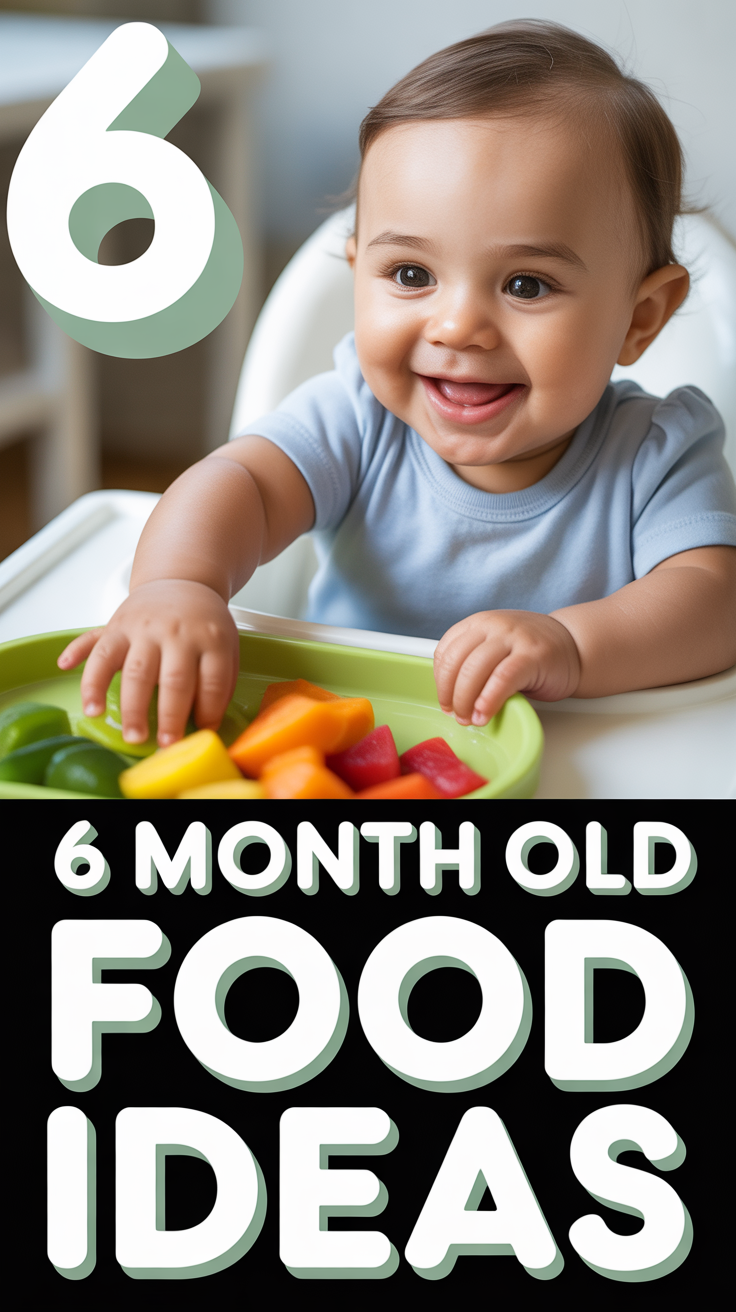
👶 6 Month Old Food Ideas
Alright, buckle up, buttercup! Your little munchkin is officially ready to dive into the glorious, messy, and sometimes baffling world of solid foods. Gone are the days of just boob or bottle; now, we’re talking tiny spoons, purees, and enough bibs to rival a small linen shop. Don’t sweat it, though. We’re here to make this journey less “panic station” and more “party in the high chair.” Get ready to witness some epic food faces, because feeding your 6-month-old just got a whole lot more fun (and a little bit sticky).
1. Single-Grain Cereal
Kicking things off with a classic, because why mess with tradition? Think of this as their first official grown-up meal, even if it’s just a spoonful of mush. We’re talking rice or oat cereal, mixed with breast milk or formula.
It’s super gentle on their new digestive system and a great way to introduce textures. Pro tip: Start with it runny, then gradually thicken it up as they get the hang of it. You’re basically a culinary architect now.
This one’s a winner for its simplicity and the fact it usually comes fortified with iron, which babies totally need right now.
2. Sweet Potato Puree
Time to get a little gourmet! Sweet potatoes are practically baby superfoods. They’re naturally sweet, packed with vitamins, and create the most beautiful orange puree that’s practically begging for an Instagram moment.
Just steam ’em till they’re super soft, then mash or blend with a splash of water, breast milk, or formula. Make sure it’s super smooth; no lumpy surprises for these tiny diners. Pro tip: Batch cook a big one and freeze portions in ice cube trays for easy meal prep. Future you will send present you a thank you note.
Your baby will love the natural sweetness, and you’ll love all those healthy nutrients sneaking in.
3. Avocado Mash
Hello, healthy fats! Avocado is like nature’s perfect baby food – creamy, nutritious, and requires zero cooking. Seriously, zero. Just scoop and mash.
Pick a ripe one, mash it up until it’s smooth, and offer it on a spoon. It’s loaded with good fats essential for brain development. Pro tip: Add a tiny bit of breast milk or formula if you need to thin it out slightly. It also helps prevent browning if you’re making a small batch ahead.
This green goodness is a fantastic first food because it’s easy to prepare and packed with beneficial nutrients.
4. Banana Puree
Everybody loves bananas, especially tiny humans. They’re sweet, soft, and require minimal effort from your side. It’s like the fast food of baby purees, but, you know, healthy.
Just mash a ripe banana with a fork until it’s smooth. That’s it. Seriously, that’s the recipe. They’re full of potassium and easy to digest. Pro tip: Mash it well to avoid stringy bits that might surprise your little one. Think creamy, not chunky.
Babies usually adore the taste, making this a fuss-free introduction to fruits.
5. Pea Puree
Don’t underestimate the humble pea! These tiny green powerhouses are surprisingly sweet when pureed and offer a nice dose of vitamins. Plus, they make for some adorable green-faced baby photos.
Steam some frozen peas until tender, then blend with a little liquid until smooth. You might need to push it through a sieve if your blender isn’t super powerful to catch any stubborn skins. Pro tip: Mix a bit of breast milk or formula to make it extra creamy and familiar tasting. It helps them ease into new flavors.
Peas are a great way to introduce a slightly different flavor profile without being too overwhelming.
6. Carrot Puree
Another vibrant, naturally sweet veggie joining the party! Carrots are rich in beta-carotene, which is basically a superhero for their little eyes. Plus, that bright orange color? Totally makes mealtime feel like a fiesta.
Steam or boil carrots until they’re super soft, then puree until smooth, adding liquid as needed. Make sure there are no stringy bits! Pro tip: Peel them thoroughly before cooking to ensure the smoothest possible texture. Nobody wants stringy carrot surprise.
Sweet and smooth, carrots are a perennial favorite for a reason. They just work.
7. Applesauce (Cooked)
Move over, store-bought jars! Making your own applesauce is surprisingly easy and tastes way better. Plus, you control what goes in it (spoiler: just apples and maybe a tiny bit of water).
Peel, core, and chop apples, then simmer them with a little water until soft. Mash or blend to your desired consistency. Cooking them makes them easier to digest for tiny tummies. Pro tip: Use sweeter apple varieties like Gala or Fuji for natural sweetness, avoiding any added sugars. Your baby’s taste buds are pristine; keep ’em that way!
A classic for a reason, cooked apples are gentle, delicious, and full of fiber.
8. Butternut Squash Puree
This squash is a serious contender in the baby food Olympics. It’s naturally sweet, creamy, and packed with vitamins A and C. Plus, it gives you another gorgeous orange puree to add to your collection.
Roast or steam cubes of butternut squash until fork-tender, then blend with liquid until silky smooth. Roasting brings out an even richer, sweeter flavor. Pro tip: Roast a whole squash, scoop out the flesh, and then blend. It’s less fiddly than peeling and chopping raw squash.
Butternut squash delivers big on flavor and nutrition, making it a stellar choice for a growing baby.
9. Broccoli Puree
Okay, we’re getting a little adventurous now! Broccoli might not be as sweet as a carrot, but it’s a nutritional powerhouse. Introducing green veggies early helps expand their palate, and honestly, it’s kind of fun watching their reaction.
Steam broccoli florets until very tender, then puree with liquid. You might need to strain this one to remove any fibrous bits. Pro tip: Don’t overcook it, or it can get a bit stinky. Just tender enough is perfect to retain those nutrients and a milder flavor.
A fantastic way to introduce a more savory, earthy flavor profile and load up on vitamins.
10. Peach Puree
Peaches are like sunshine in a fruit! When ripe, they’re incredibly sweet and juicy, making them perfect for a baby puree. Just imagine those little satisfied sighs.
Peel and pit a ripe peach, then blend or mash it until smooth. If it’s not super ripe, you can gently steam it first. Pro tip: Look for freestone peaches; they’re much easier to pit. And don’t forget to remove all the fuzzy skin!
Sweet, refreshing, and packed with vitamins, peaches are a delightful addition to their menu.
11. Pear Puree
Pears are another gentle, naturally sweet fruit that works wonderfully as a first food. They’re less acidic than some other fruits, making them super kind to tiny tummies.
Peel, core, and chop a ripe pear, then steam until soft. Blend or mash with a little water or breast milk. Pro tip: Pears tend to be naturally thin, so you might not need much added liquid. Bosc or Bartlett pears work beautifully here.
Easy to digest and subtly sweet, pear puree is a gentle and delicious choice.
12. Zucchini Puree
Let’s round out our veggie tour with zucchini! It’s mild in flavor, easy to digest, and surprisingly versatile. Plus, it’s another great way to get those greens in.
Steam or boil zucchini slices until very tender, then puree until smooth. You might find it has a lot of water content, so you might not need to add much extra liquid. Pro tip: Don’t peel it! The skin has extra nutrients and blends in nicely when cooked thoroughly.
A mild and nutritious option, zucchini puree is an excellent way to diversify their veggie intake.
Conclusion
Phew! You made it through the first course of solid food ideas. Remember, this whole feeding journey is less about perfection and more about exploration. Your baby is basically a tiny, adorable food critic, and every meal is an experiment. Embrace the mess, celebrate the triumphs (even if it’s just one spoonful ingested), and don’t forget to snap those hilarious food-face photos. You’re doing great, and your little one is loving every delicious, messy bite you introduce them to. Now go forth and blend!